Rugged Tablet vs Consumer Tablet: A Technical Comparison for Business Deployments
Understanding the fundamental differences between industrial rugged tablets and consumer devices — from interface connectivity to total cost of ownership — for informed technology decisions in fleet, logistics, and field operations.
When selecting tablets for business applications, organizations face a critical choice between rugged industrial tablets and consumer-grade devices. This comparison examines technical specifications, operational capabilities, and financial considerations to help decision-makers select the appropriate technology for their specific use cases.
Design and Durability Differences
The most visible distinction between rugged and consumer tablets lies in their physical construction and engineered durability characteristics. These differences directly impact where and how each device type can be effectively deployed.
Rugged Tablets
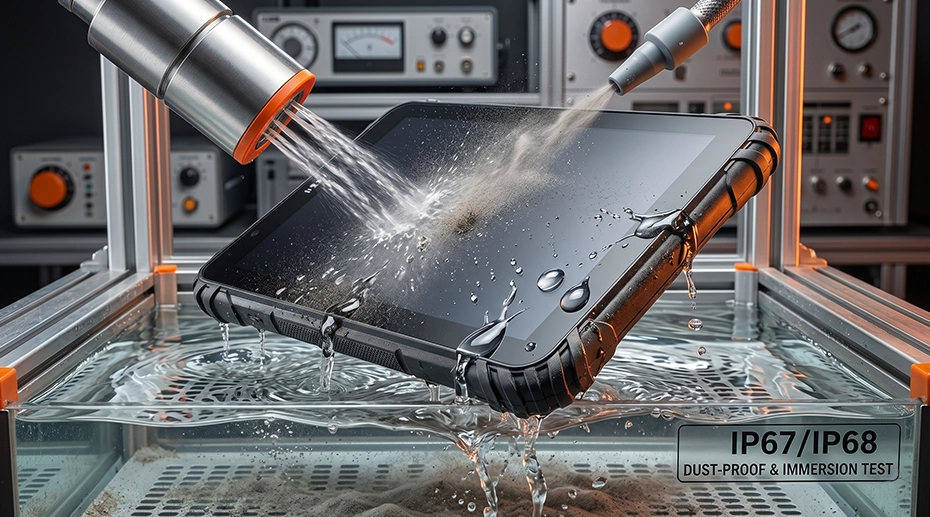
IP65/IP67/IP68 environmental sealing
MIL-STD-810G/H certified construction
Reinforced chassis with corner protection
Chemically strengthened display glass
Internal shock mounting systems
Sealed ports with protective covers
Consumer Tablets
Minimal environmental protection
Aesthetic-focused design priorities
Thin, lightweight construction
Standard display glass
Exposed ports and connectors
Dependent on third-party protective cases
Consumer devices prioritize aesthetics, weight, and cost considerations over industrial durability. While some consumer tablets may claim "durability," they lack the formal certifications and systematic engineering approaches that characterize purpose-built industrial rugged tablets.
Operating Environment Comparison
The operational environment significantly influences which tablet category represents the appropriate technological investment.
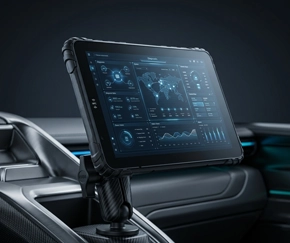
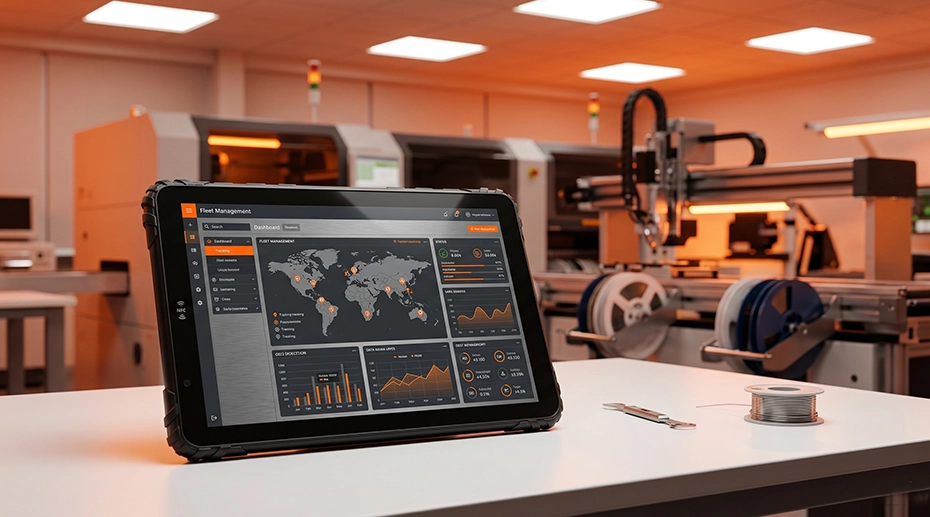
Industrial environments such as manufacturing floors, warehouse operations, outdoor field service, and transportation settings expose devices to conditions that exceed consumer tablet design parameters. For harsh or mission-critical environments, rugged tablet solutions are typically required to ensure operational reliability.
Interface & Connectivity: The Hidden Differentiator
For system integrators and fleet solution providers, the most critical difference between rugged and consumer tablets isn't durability — it's what you can connect to them.
For system integrators, this is the deciding factor. A consumer tablet can't read engine data, can't connect to industrial sensors, and can't power itself from the vehicle. These aren't optional features — they're the core requirements for any fleet, logistics, or industrial deployment.
Vehicle Integration: Beyond Just Mounting a Tablet
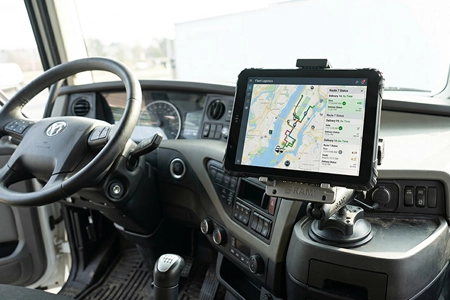
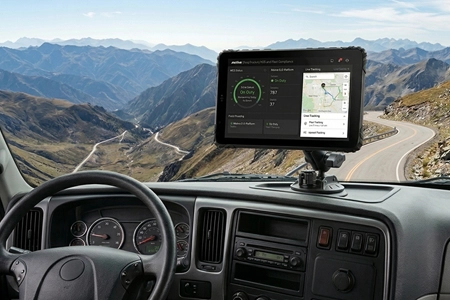
In fleet and transportation applications, the tablet is part of a vehicle integration ecosystem. This is where consumer tablets fundamentally fail and vehicle mount tablets demonstrate their purpose-built engineering.
Secure Vehicle Docking
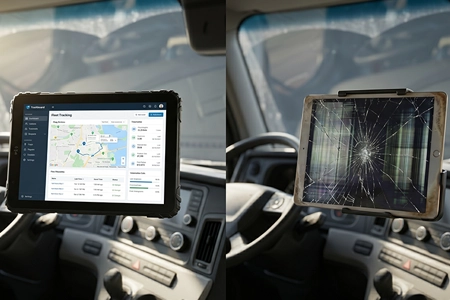
Pogo-pin docking stations with locking mechanisms keep the tablet stable through vibration. Consumer suction-cup mounts fail within weeks.
Ignition-Sensing Power
Powers on with engine start, sleeps when it stops. No driver intervention. No dead batteries. Consumer tablets require manual power management.
Anti-Vibration Engineering
MIL-STD-810G/H certified for vehicle vibration. Consumer tablets develop loose connectors and screen delamination from constant road vibration.
Total Cost of Ownership (TCO) Analysis
Initial purchase price represents only one component of the total investment. A comprehensive TCO analysis reveals significant differences over the operational lifespan.
Initial Costs
Rugged: Higher initial investment
Consumer: Lower purchase price
Replacement Cycle
Rugged: 5-7 year lifecycle
Consumer: 2-3 year typical
Failure Rates
Rugged: <5% in industrial use
Consumer: 20-30% in similar conditions
Rugged tablets typically demonstrate lower TCO over a 5-year period when deployed in challenging environments. The higher initial investment is offset by reduced failure rates, longer operational life, and minimized productivity disruptions.
Software, OS, and Lifecycle Considerations
Enterprise Software Support
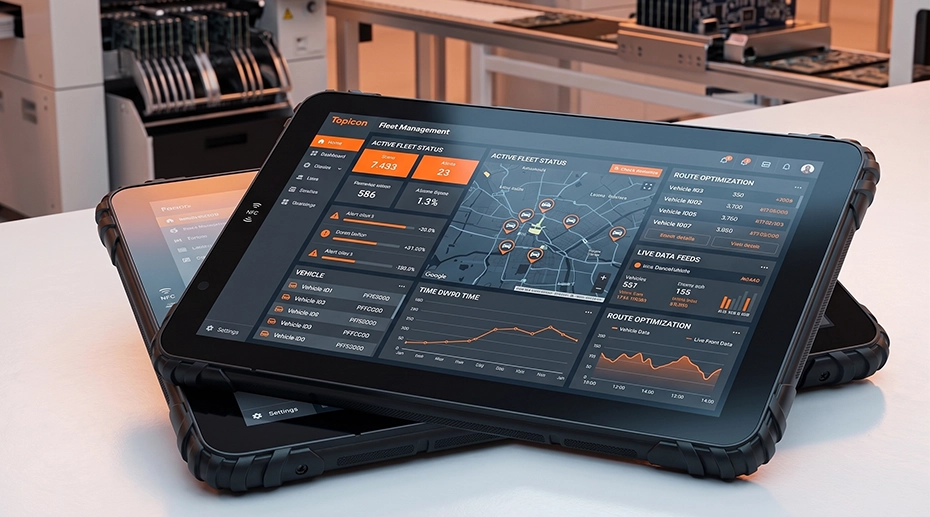
Rugged tablets offer comprehensive MDM integration, kiosk mode, custom firmware, and dedicated enterprise support. Consumer devices provide limited MDM and focus on personal user experience. Explore fleet management tablets →
Product Lifecycle Management
Industrial manufacturers commit to 5-7 year availability with guaranteed hardware consistency and backward compatibility. Consumer products follow 6-18 month refresh cycles.
Which Tablet Is Right for Your Use Case?
Choose Rugged Tablets When:
Operating in uncontrolled environments
Exposure to moisture, dust, or chemicals
Vehicle mounting or constant vibration
Outdoor use with sunlight visibility needs
Mission-critical operations with zero tolerance for failure
Long-term deployment (5+ years) required
OEM/SI deployments requiring custom I/O and white-label branding
Consider Consumer Tablets When:
Controlled indoor environments only
Minimal risk of drops or impacts
Short-term or temporary deployments
Budget-constrained pilot projects
Standard office/retail applications
Frequent technology refresh preferred
The Bottom Line: Choose Based on Your Integration Requirements
The choice between a rugged tablet and a consumer tablet ultimately comes down to one question: what do you need to connect to?
If your deployment involves vehicle integration, industrial sensors, CAN Bus diagnostics (available on MDT865), or mission-critical fleet operations, a consumer tablet is not a cost-saving choice — it's a project risk. The interfaces simply aren't there.
For system integrators and OEM solution providers, rugged tablets offer an additional dimension: customization at the manufacturing level. White-label branding, custom I/O configuration, pre-loaded software, and MDM pre-configuration — capabilities that turn a hardware purchase into a product platform.
Rugged tablets are not expensive consumer tablets. They are a different category of device — built for integration, engineered for reliability, and designed for long-term deployment in environments where failure is not an option. Explore TOPICON's rugged tablet platforms →
Ready to Explore Rugged Tablet Options?
Browse TOPICON's full lineup of industrial-grade rugged tablets for fleet, warehouse, and field operations.
 View All Rugged Tablets →
Related Comparison & Hardware Resources