What Is a Rugged Tablet?
A clear definition and industrial context for rugged tablets — what they are, why industries use them, and when your deployment requires one.
Rugged Tablet Definition
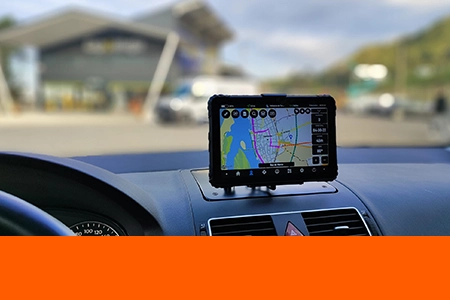
A rugged tablet is a specialized mobile computing device engineered to operate reliably in harsh environmental conditions where standard consumer tablets would fail. These devices are built with reinforced designs to withstand exposure to dust, water, vibrations, extreme temperatures, and accidental drops.
Core Meaning: The term "rugged tablet" refers specifically to tablets meeting standardized ingress protection (IP) and military-grade (MIL-STD) durability certifications for industrial, field, and vehicle-mounted applications. Explore industrial rugged tablets →
Why Rugged Tablets Are Used in Industry
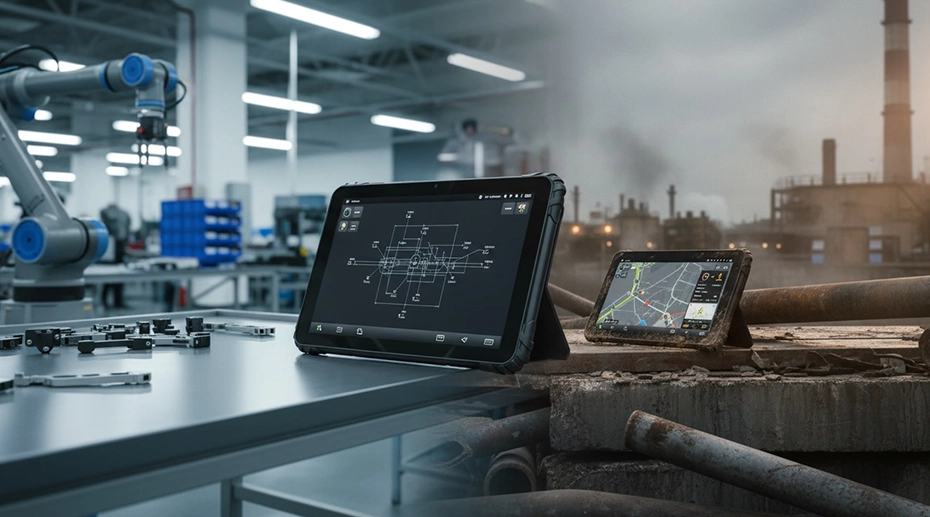
The primary industrial need for ruggedized tablets stems from operational environments that demand:
In settings where downtime is costly — manufacturing lines, logistics hubs, fleet dispatch centers.
Protection against moisture, particulate matter, and thermal extremes.
Resistance to shock, vibration, and repeated handling — MIL-STD-810G/H certified.
Extended product lifecycles (5+ years) and consistent availability for enterprise planning.
These requirements differentiate industrial usage from typical consumer or office environments. Explore our rugged tablet lineup →
Rugged Tablet vs Industrial Tablet
Note: "Industrial tablet" is sometimes used interchangeably but often refers to stationary devices, while "rugged tablet" emphasizes mobility in challenging conditions.
When Do You Need a Rugged Tablet?
Consider a rugged tablet if your use case involves one or more of the following conditions:
Environmental Factors
Exposure to dust or sand
Water splash or rain
Temperatures outside 0–35°C range
High vibration or shock risk
Operational Demands
Mobile use in vehicles or outdoors
Frequent handling with gloves
Continuous operation >8 hours
Long-term deployment (5+ years)
If your application primarily involves controlled indoor environments, a commercial-grade tablet with a protective case may suffice. For outdoor and vehicle deployments, waterproof rugged tablets provide the protection that consumer devices cannot match.
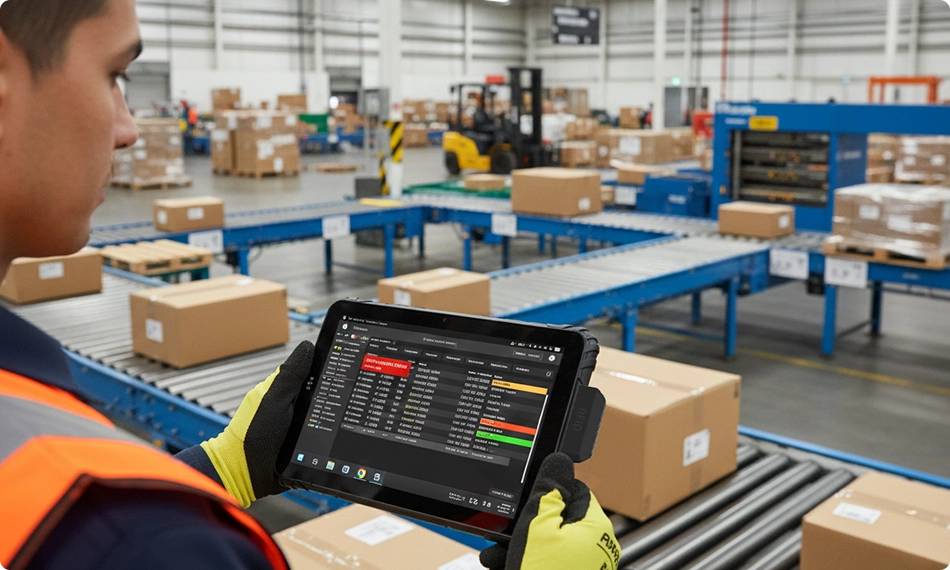
For system integrators and industrial solution providers, rugged tablets serve as an OEM hardware platform — configurable with custom I/O, private labeling, and pre-loaded software for turnkey deployments. Explore OEM customization options →
Frequently Asked Questions About Rugged Tablets
What does "rugged" mean in tablets?
"Rugged" indicates the device meets specific durability standards (IP & MIL-STD) for operation in challenging physical environments beyond typical office conditions.
Are rugged tablets waterproof?
Most are water-resistant to varying degrees. Look for IP ratings: IP65 (dust-tight, water-jet resistant) or IP67 (dust-tight, immersion up to 1m). Explore waterproof tablets →
How long do rugged tablets last?
Industrial-grade rugged tablets typically have a product lifecycle of 5+ years, with extended hardware and OS support.
Can rugged tablets run standard software?
Yes, most run standard Android or Windows operating systems and support common enterprise applications.
Ready to Evaluate Rugged Tablets for Your Application?
Explore detailed product specifications, configuration options, and industry-specific guidance.
Related Rugged Hardware Resources
```