Automotive Tablet Solutions: Powering Modern Vehicles with Intelligent In-Vehicle Computing
As vehicles across commercial, industrial, and public sectors become more connected and data-driven, the demand for reliable in-vehicle computing has grown rapidly. From logistics fleets and city buses to construction machinery and off-road vehicles, digital systems are reshaping how vehicles operate, communicate, and are managed. At the center of this transformation is the automotive tablet — a rugged, vehicle-mounted computing device designed to operate reliably in demanding environments.
This article explores how automotive tablets are used across different vehicle applications, their key advantages, and why they have become essential tools for fleet operations, data collection, navigation, and safety systems. We will also examine related concepts such as mobile data terminals, fleet tablets, car tablets, and off road tablet solutions, helping you understand how these technologies fit into modern vehicle ecosystems.
Table of Contents
What Is an Automotive Tablet?
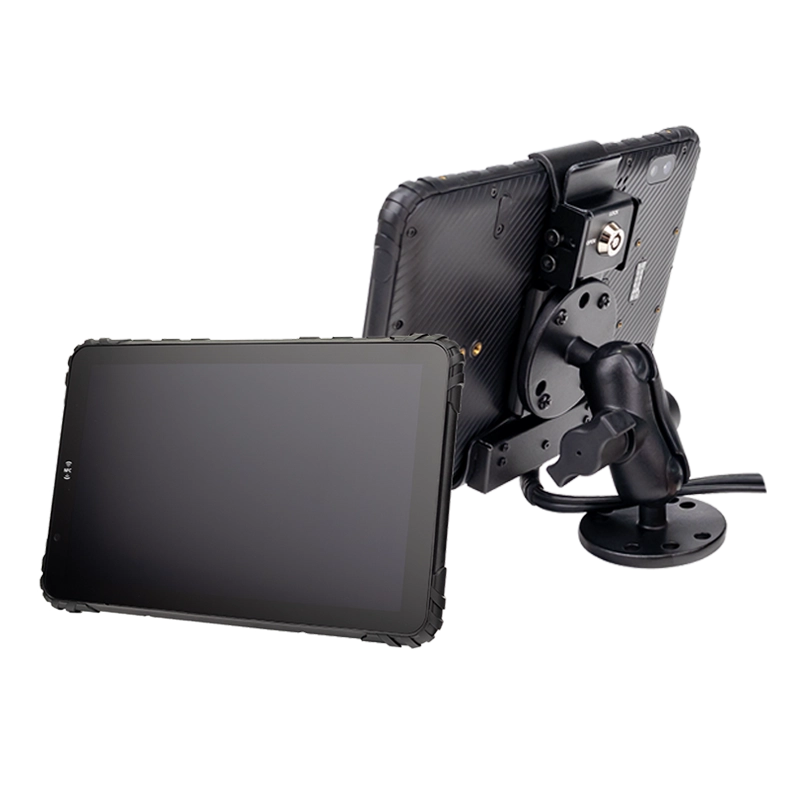
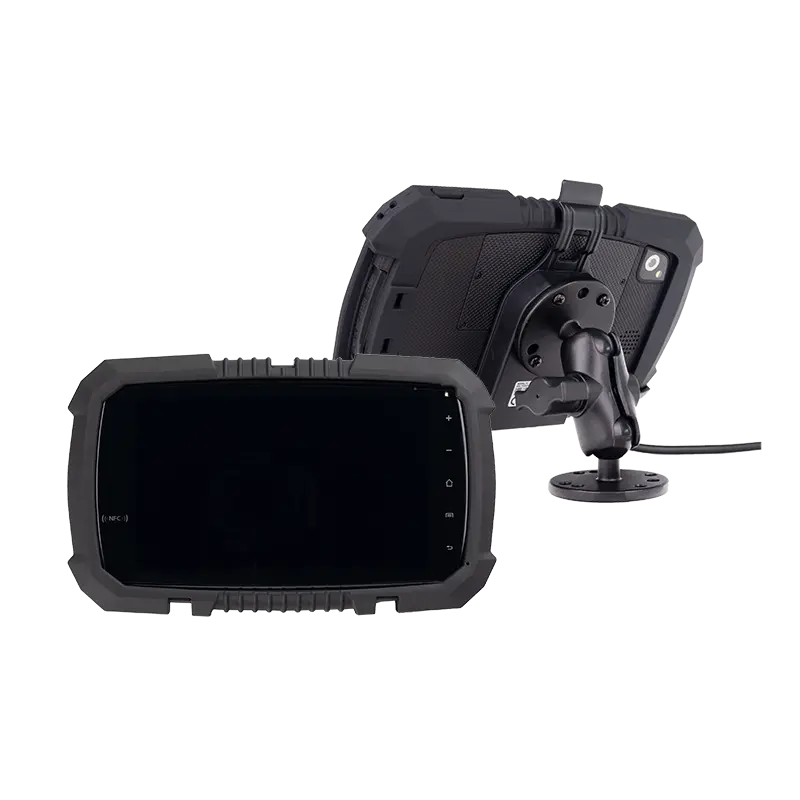
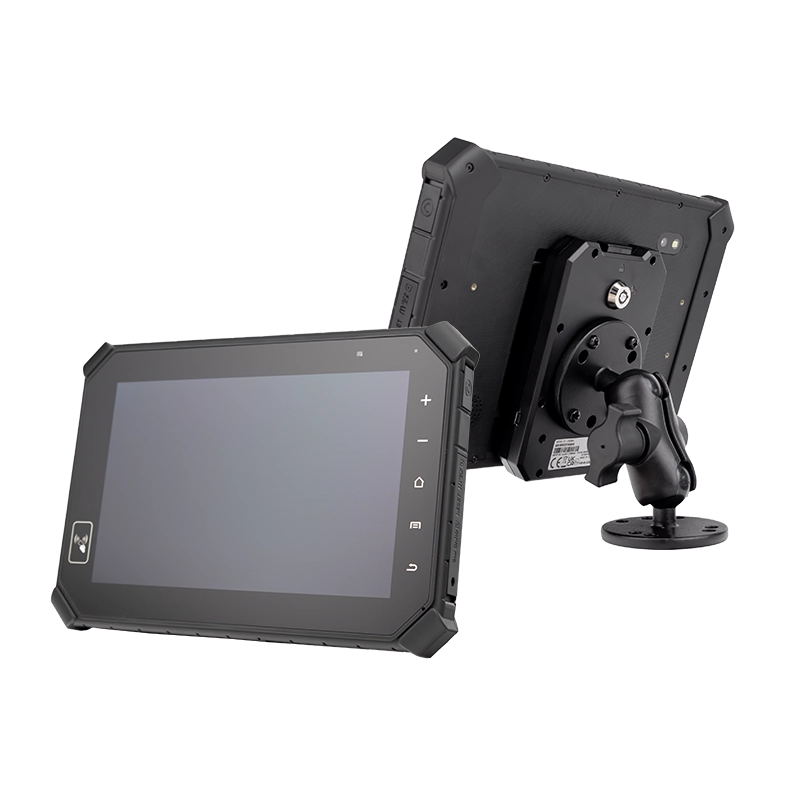
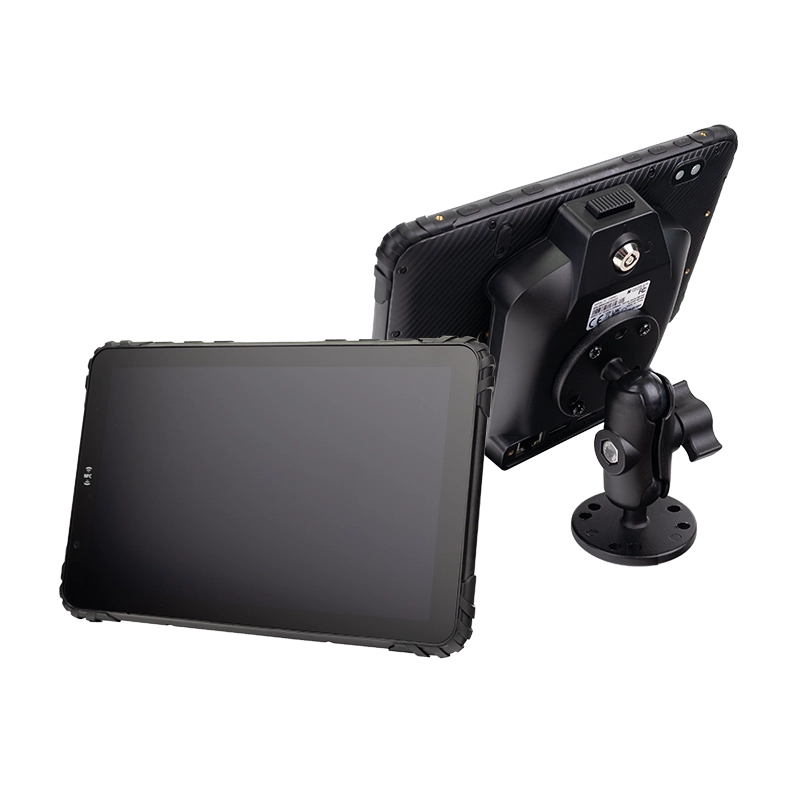
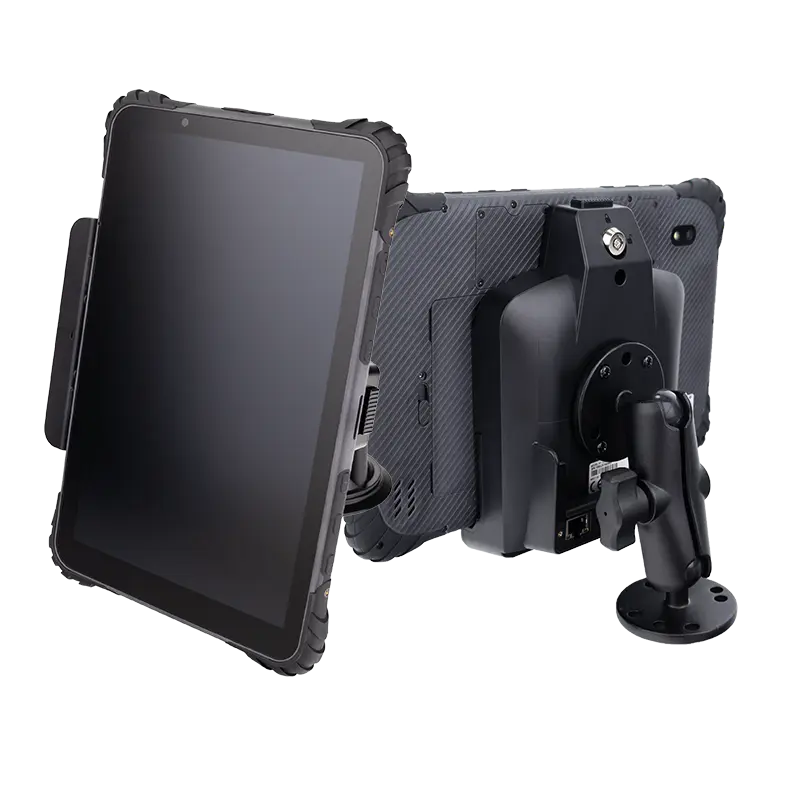
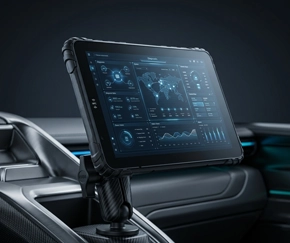
An automotive tablet is a specialized computing device designed for permanent or semi-permanent installation inside vehicles. Unlike consumer tablets, these devices are built to withstand vibration, wide temperature ranges, dust, and moisture commonly found in vehicle environments.
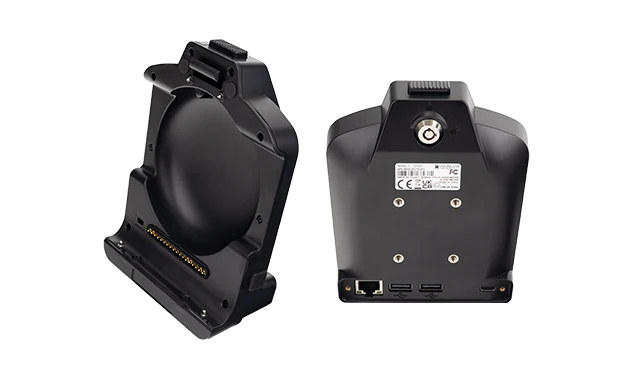
Automotive tablets typically feature high-brightness displays for sunlight readability, wide-voltage power input, and multiple input/output interfaces to connect with vehicle systems, cameras, and external sensors. Their purpose goes beyond basic navigation or entertainment; they function as operational hubs that connect drivers, vehicles, and backend platforms in real time.

Key Vehicle Applications
Automotive tablets are deployed in a wide range of vehicle types. Their flexibility and modularity allow them to adapt to very different operational needs while maintaining stable performance.
Commercial Trucks and Logistics Vehicles
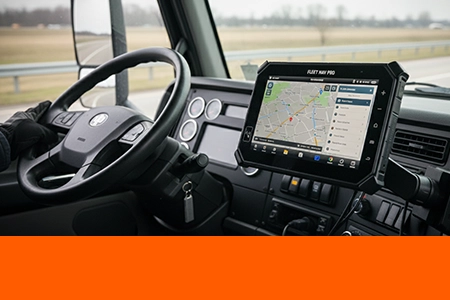
In logistics and transportation, automotive tablets provide real-time navigation, electronic proof of delivery, route optimization, and driver communication. These systems reduce paperwork, improve delivery accuracy, and support efficient fleet management across long distances.

Public Transportation
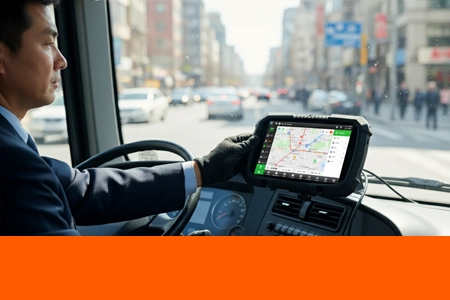
City buses and coaches rely on in-vehicle tablets to manage schedules, monitor vehicle status, and integrate with passenger information systems. Tablets can also connect to multiple cameras, improving safety and visibility while reducing blind spots.

Emergency and Utility Vehicles
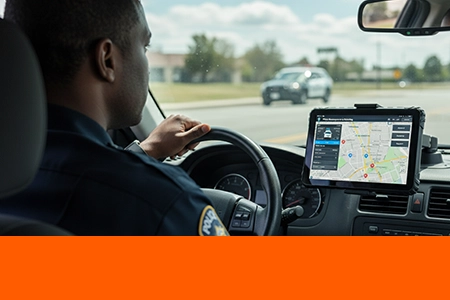
Police cars, ambulances, fire trucks, and service vehicles depend on stable and responsive in-vehicle systems. Automotive tablets provide dispatch information, navigation, live video streams, and secure data access, enabling faster and more informed responses.

Automotive Tablets in Fleet Operations
In fleet environments, the term fleet tablet is often used to describe rugged tablets deployed across multiple vehicles under centralized management. These systems allow fleet operators to monitor vehicle locations, driver behavior, fuel consumption, and maintenance status from a single platform.
Automotive tablets in fleets typically integrate GPS positioning, cellular connectivity, and backend software platforms. This enables dispatchers to communicate efficiently with drivers while maintaining visibility over daily operations. For drivers, the tablet becomes a single interface for tasks, messages, and reporting.
Remote device management is another important aspect. Fleet tablets often support over-the-air updates, application control, and remote troubleshooting, reducing downtime and operational costs.

Role as a Mobile Data Terminal
In many vehicle solutions, automotive tablets function as a mobile data terminal that connects vehicle data with central systems. This role is especially critical in applications where real-time data exchange is required.
As a mobile data terminal, a vehicle-mounted tablet can collect data from onboard systems such as cameras, sensors, and diagnostic modules, then transmit that data to cloud-based platforms. At the same time, it receives instructions, route updates, and operational commands from headquarters.
This two-way data flow supports smarter decision-making and faster response times. In logistics, it enables dynamic route adjustments; in public safety, it supports real-time situational awareness; in industrial operations, it improves coordination and transparency.

Use in Passenger and Light Commercial Vehicles
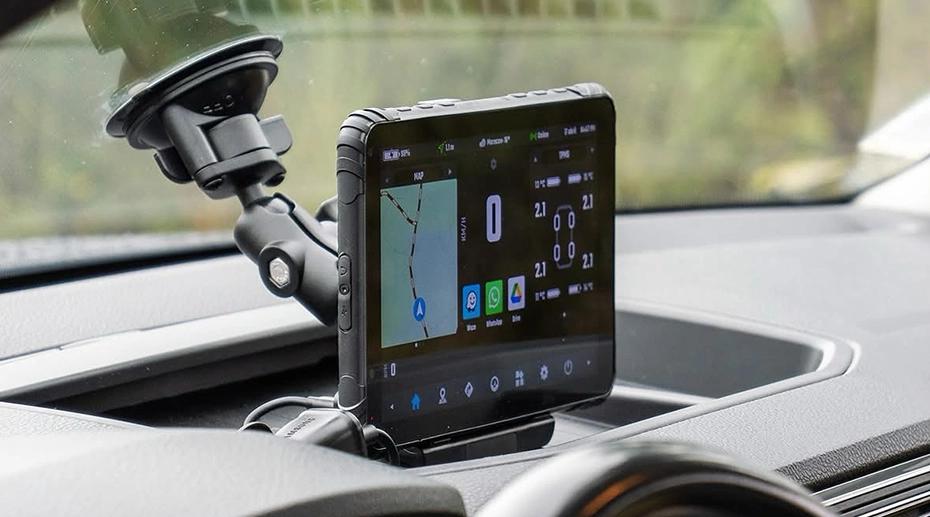
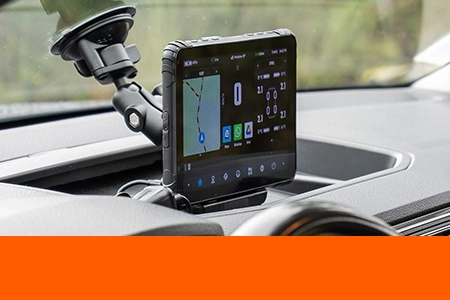
The concept of a car tablet is becoming increasingly common in taxis, ride-hailing vehicles, and light commercial fleets. These tablets are typically thinner and more compact than heavy-duty industrial devices, while still offering enhanced durability compared to consumer products.
In passenger-facing applications, car tablets may be used for navigation, driver assistance, advertising, or customer interaction. In commercial settings, they support fleet tracking, job dispatching, and driver safety monitoring.
Car tablets must balance performance, durability, and aesthetics. Clear visibility, responsive touch control, and stable connectivity are key to ensuring a positive user experience without distracting the driver.
Off-Road and Harsh Environment Applications
Automotive tablets are not limited to paved roads. In agriculture, mining, forestry, and construction, off road tablet solutions play a critical role in daily operations.
Off-road vehicles such as tractors, harvesters, excavators, and all-terrain service vehicles operate in environments with extreme vibration, dust, mud, and temperature changes. Tablets used in these settings must meet higher durability standards and maintain performance under continuous stress.
Off road tablets often support precision agriculture systems, machine diagnostics, and workflow management. GPS-guided operations, field mapping, and equipment monitoring are all managed through a single in-vehicle interface, improving efficiency and reducing waste.
Core Features and Technical Requirements
To perform reliably across such diverse vehicle applications, automotive tablets must offer a set of key technical features:
High-brightness, anti-glare displays suitable for outdoor and sunlight conditions
Wide-voltage power input compatible with vehicle electrical systems
Support for multiple connectivity options such as LTE, Wi-Fi, Bluetooth, and GNSS
Compatibility with cameras, sensors, and external accessories
Long-term system stability and software support

Mounting options are also important. Automotive tablets must be securely installed while allowing ergonomic access and visibility. Proper mounting improves safety and ensures compliance with vehicle operation standards.
Conclusion
The rapid digitalization of vehicles across industries has made automotive tablets an essential component of modern in-vehicle systems. Whether deployed as fleet tablets, mobile data terminals, car tablets, or off road tablet solutions, these devices serve as the digital backbone that connects vehicles, drivers, and management platforms.
As vehicles become more intelligent and interconnected, the role of in-vehicle tablets will continue to expand. Companies investing in robust, vehicle-ready computing solutions are better positioned to improve efficiency, safety, and operational insight across their fleets and vehicle-based operations.
In an increasingly competitive and data-driven world, adopting the right automotive tablet solution is no longer optional — it is a strategic decision that directly impacts performance and long-term success.