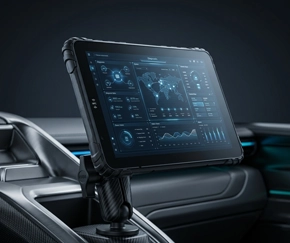
The Ultimate Guide to Tablet and GPS Solutions: Powering the Modern Mobile Fleet
How the convergence of rugged in-vehicle tablets and high-precision GPS has transformed fleet operations — from route optimization and asset tracking to driver communication and compliance automation.
Table of Contents
1. Introduction: The Convergence of Mobility and Precision
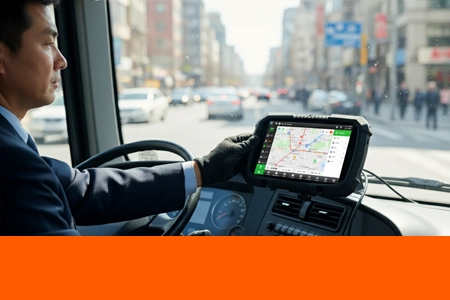
The modern fleet operates in a world driven by real-time data and instantaneous communication. At the heart of this transformation is the powerful synergy between tablet and GPS technology. No longer just separate tools for navigation and computing, their integration has created an indispensable command center on wheels. A robust tablet GPS car system provides more than just turn-by-turn directions; it delivers a comprehensive platform for route optimization, asset tracking, driver communication, and workflow automation. This guide explores how rugged tablet and GPS solutions are revolutionizing transportation, logistics, field service, and public safety — with a dedicated rugged in-vehicle data terminal serving as the hardware foundation for these connected systems.
2. From Paper Maps to Digital Dashboards: The Evolution of the Tablet GPS Car Ecosystem
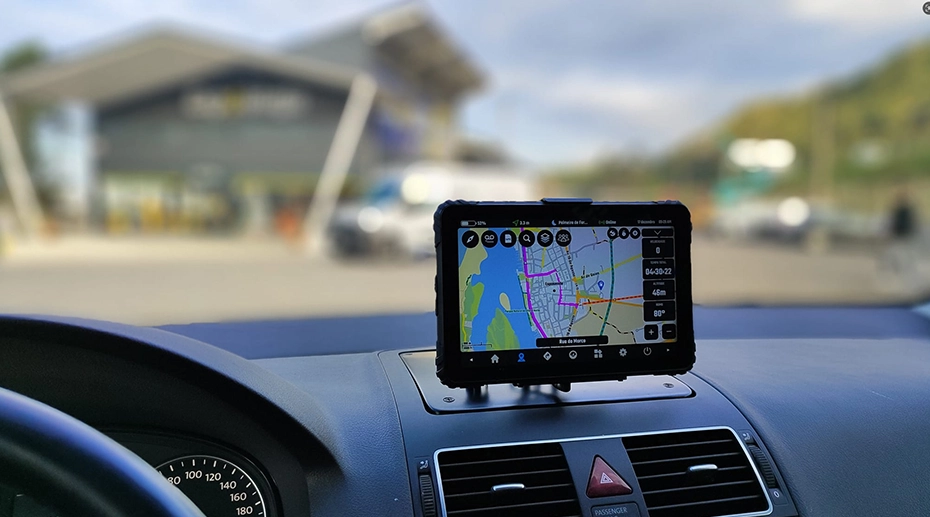
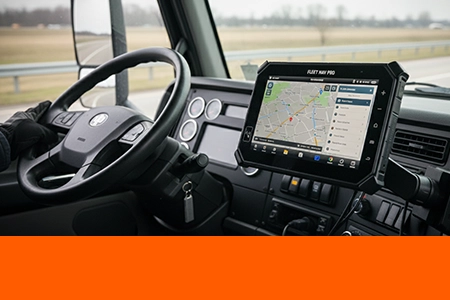
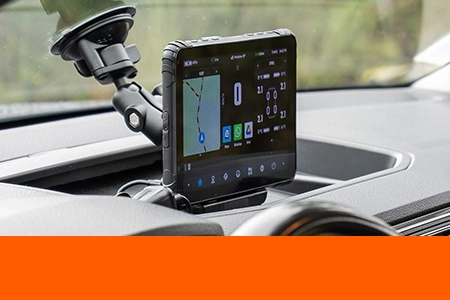
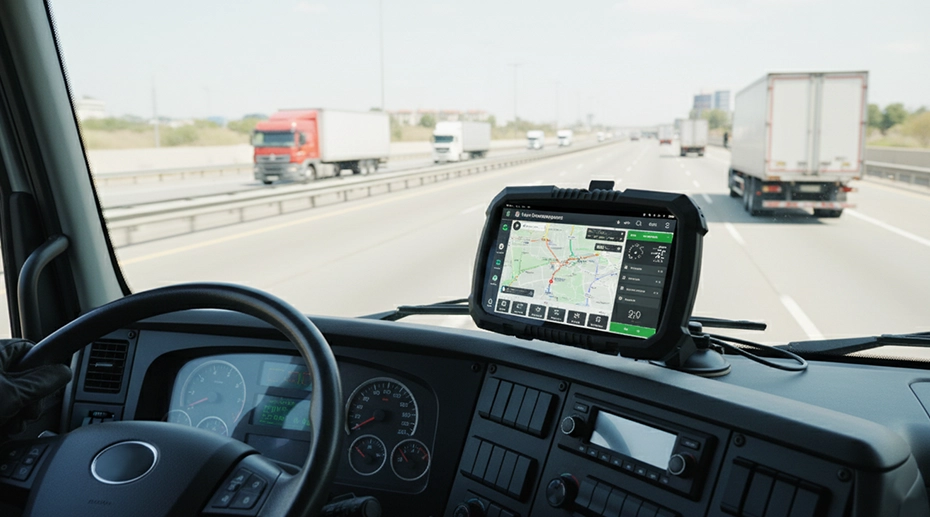
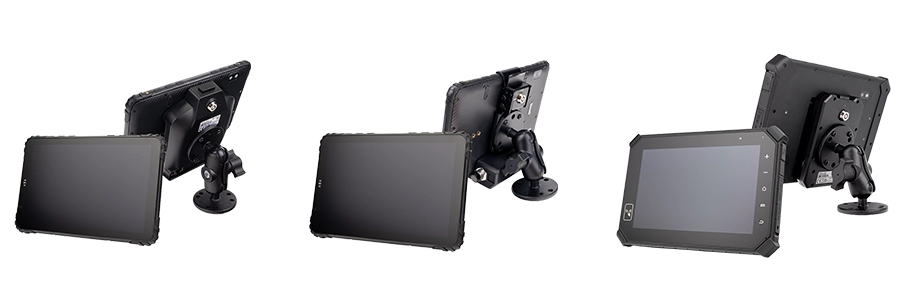
The concept of in-vehicle navigation has undergone a radical shift. The standalone GPS device offered limited functionality. The advent of rugged, vehicle-mounted tablets with integrated high-sensitivity GPS receivers marked a paradigm shift. This tablet GPS car setup evolved into a multi-functional hub — combining live, traffic-aware navigation with the processing power to run complex fleet management, dispatch, electronic logging, and proof-of-delivery applications simultaneously. For fleets seeking vehicle mount tablets, the dashboard becomes the primary driver interface, simplifying compliance, navigation, and task management into a single, intuitive touchscreen. For fixed installations, a vehicle-mounted data terminal provides the same rugged reliability in a permanently docked form factor.
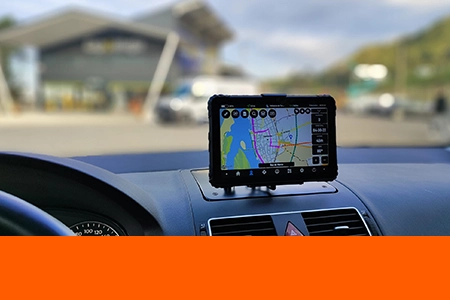
3. The Rise of the Android Tablet with GPS: Versatility Meets Functionality
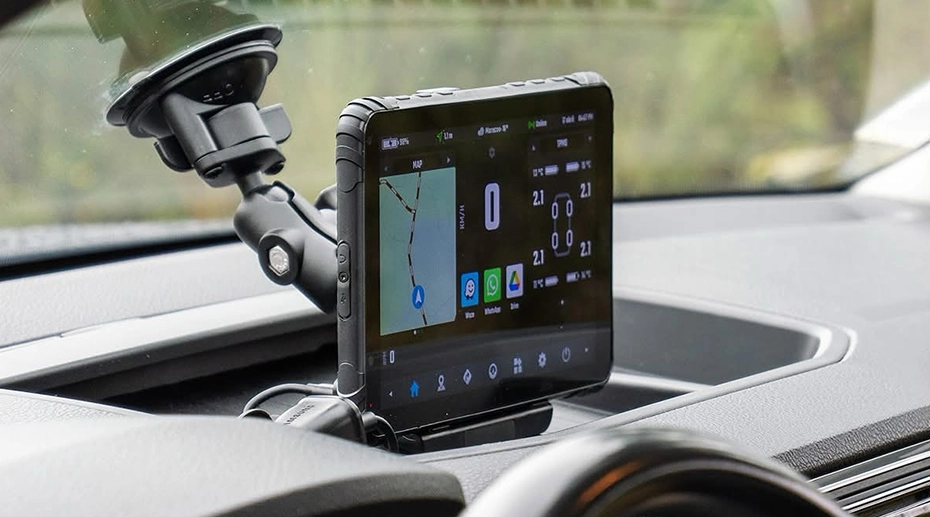
Consumer and commercial-grade Android tablets with GPS have become a popular foundation for many fleet solutions:
Cost-Effectiveness & Variety: A wide range of hardware options, from economically priced units to ruggedized models built for extreme environments.
Open Ecosystem & Customization: Android allows deep customization — fleet managers can lock devices into kiosk mode to run only approved applications.
App Availability & Integration: The Google Play Store hosts a vast array of fleet management, routing, and logistics software.
Seamless Connectivity: Built-in 4G/5G ensures constant connectivity for real-time data transmission and cloud sync.
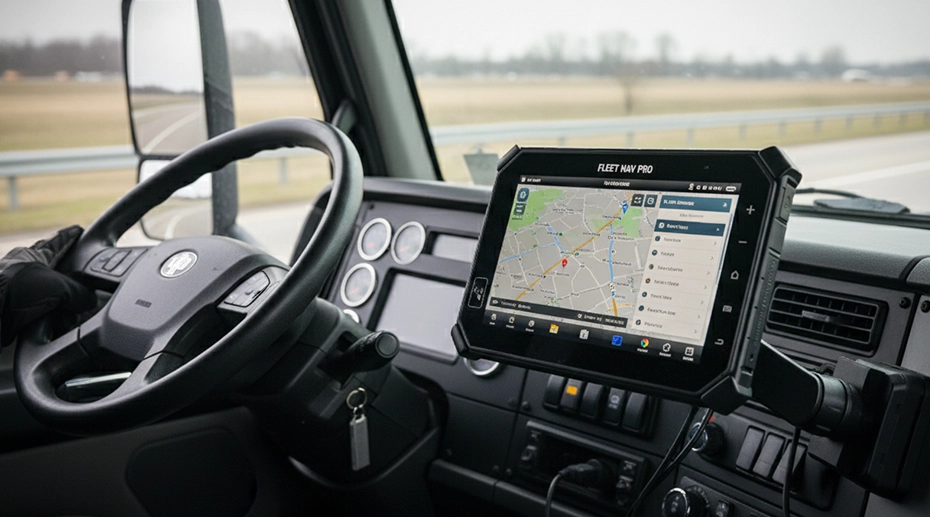
For fleet deployments, rugged in-vehicle tablet solutions provide the reliability that consumer devices cannot match in commercial vehicle environments. When configured as a mobile computing terminal for fleet vehicles, these devices become the single interface for all driver‑facing applications.
4. Beyond Consumer Devices: Specialized Fleet Management Tablets
For operations where reliability is non-negotiable, fleet management tablets are engineered from the ground up for the mobile professional environment:
Military-Grade Ruggedness: MIL-STD-810G/H certified for shock, vibration, and drop resistance with IP65/IP67 dust and water protection.
Superior Sunlight-Readable Displays: 1000-nit high-brightness screens ensure clarity in direct sunlight — critical for driver safety.
Enhanced GNSS Precision: Multi-constellation GNSS (GLONASS, Galileo, BeiDou) for faster fixes and superior accuracy in urban canyons. Explore GPS tracking tablets →
Professional Peripherals & Integration: Dedicated ports for vehicle diagnostics (OBD-II), barcode scanners, payment systems, and external antennas.
Long-Term Hardware Support: Extended lifecycle support with managed Android OS updates for application stability over years of service.
5. Core Benefits: Transforming Fleet Operations with Integrated Data
Live traffic data and dynamic routing reduce congestion, fuel consumption, and improve on-time delivery rates.
Integrated telematics monitor harsh braking and speeding. Tablets facilitate ELD-ready fleet devices for digitized HOS records.
Real-time vehicle visibility enables accurate ETAs and instant digital proof of delivery.
Job orders and forms sent directly to the in-vehicle device — eliminating paperwork and accelerating billing.
Engine data and vehicle usage patterns enable need-based maintenance scheduling, preventing breakdowns and maximizing uptime.
6. Choosing the Right Solution: Key Selection Criteria
7. Future Trends: AI, IoT, and the Connected Vehicle
Tablets will become platforms for AI that predicts optimal routes based on historical data, weather, and events.
Tablets aggregate data from IoT sensors — temperature, door status, weight — for a holistic asset view.
Fleet tablets may incorporate ADAS alerts for forward collisions, lane departures, and pedestrian detection.
Ultra-fast connectivity enabling real-time video telematics and complex cloud-based applications.
8. Conclusion: Navigating the Road Ahead
The strategic integration of tablet and GPS technology is no longer a luxury for fleet operations — it is a fundamental component of a competitive, efficient, and safe business. Whether through a versatile Android tablet with GPS or a mission-critical connected fleet platform, the goal is the same: a seamless flow of information between the vehicle, the driver, and the operations center. The vehicle-integrated computing hub will solidify its role as the intelligent command center, ensuring fleets navigate the future with precision and insight.
For system integrators and fleet solution providers, TOPICON offers OEM-ready hardware platforms with custom I/O, private labeling, and pre-loaded software for turnkey fleet deployments. Explore OEM customization options →
Ready to Implement a Tablet and GPS Solution for Your Fleet?
Explore rugged in-vehicle computing platforms designed for fleet telematics, GPS tracking, and mobile workforce management.
Related Fleet & GPS Resources