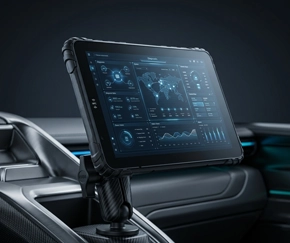
Enhancing Fleet Operations with In-Cab Tablets: The Complete GPS Integration Guide
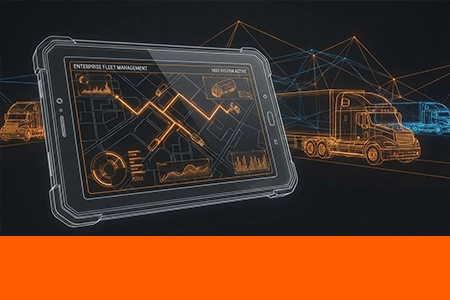
Modern fleet management has evolved beyond basic tracking to become a data-driven science. At the heart of this transformation is the In-cab tablet—not just a display screen, but the central nervous system of contemporary commercial vehicle operations. These ruggedized computing platforms are revolutionizing how transportation companies approach navigation, compliance, safety, and asset utilization. From long-haul trucking to last-mile delivery, the integration of android tablet with GPS technology into fleet vehicles represents one of the most significant ROI opportunities in the logistics sector today.
Table of Contents
What is an In-Cab Tablet?
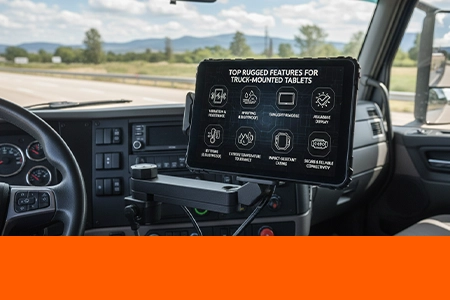
An In-cab tablet represents a specialized class of mobile computing device engineered specifically for the harsh environment of commercial vehicle cabins. Unlike consumer tablets that might last months in such conditions, professional-grade fleet management tablets are built to withstand 5-7 years of continuous operation through temperature extremes (-30°C to 70°C), constant vibration (MIL-STD-810H certified), and exposure to dust/moisture (IP65-IP67 rated).
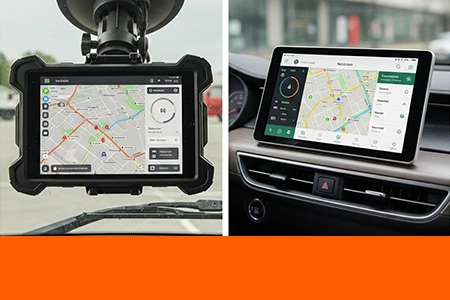
These devices serve as the primary interface between drivers and the fleet management ecosystem. They consolidate multiple functions that traditionally required separate devices: GPS navigation, electronic logging (ELD), communication hub, document management, vehicle diagnostics reader, and compliance reporting tool. The shift from fragmented solutions to an integrated tablet and GPS platform represents not just technological advancement but fundamental operational streamlining.
Key Features & Technical Specifications
| Feature Category | Minimum Standard for Fleet Use | Recommended for Harsh Conditions | Business Impact |
|---|---|---|---|
| Durability | IP54, basic vibration resistance | IP67, MIL-STD-810H, 1.5m drop spec | Reduces replacement frequency from 6-12 months to 5+ years |
| Display | 500 nits brightness | 1000+ nits with optical bonding | Eliminates sun glare issues, reduces eye strain during daytime ops |
| Connectivity | 4G LTE, Wi-Fi, Bluetooth 4.2 | 5G ready, dual-band Wi-Fi, BT 5.2 | Future-proofing, faster data sync for real-time tracking |
| GNSS/GPS | Standard GPS receiver | Multi-constellation (GPS+GLONASS+Galileo+BeiDou) | 2-3 meter accuracy vs. 10-15m, crucial for urban canyons |
| Power Management | Basic vehicle dock charging | Smart dock with ignition sensing, hot-swap battery | Eliminates dead batteries, automatic sleep/wake saves power |
Peripheral Integration Capability is where professional fleet management tablets truly separate from consumer devices. A robust system should support:
OBD-II/CAN Bus Integration: Direct vehicle diagnostics without additional dongles
Barcode/RFID Scanner Connectivity: Essential for logistics and inventory management
External Camera Support: For rear-view, cargo monitoring, or driver facing cameras
Payment Terminal Integration: For roadside services or mobile payment collection
Temperature Sensor Inputs: Critical for refrigerated transport compliance
Measurable Benefits for Fleet Operators
1. Real-Time Tracking & Advanced Geofencing
Basic location tracking has evolved into sophisticated geofencing automation. Modern tablet and GPS integration allows:
Automated Compliance Reporting: When vehicles enter regulated zones (ports, borders), systems automatically generate required documentation
Resource Optimization: Dispatch can instantly identify the nearest available vehicle to an emergency job, reducing response time by 35-45%
Theft Prevention & Recovery: Immediate alerts for unauthorized movement after hours, with real-time tracking leading to 92% recovery rates
2. Intelligent Route Optimization
Beyond simple navigation, advanced algorithms analyze:
Real-time traffic patterns and accident data
Vehicle-specific restrictions (height, weight, hazardous materials)
Driver Hours of Service (HOS) availability
Fuel station pricing along the route
This multi-factor optimization typically reduces unnecessary mileage by 8-12% and improves on-time delivery rates by 15-20%.
3. Enhanced Driver Safety & Behavior Monitoring
Integrated telematics provide actionable safety insights:
Predictive Alerting: Systems can warn drivers of approaching high-risk zones based on historical accident data
Behavioral Scoring: Automatic monitoring of harsh braking, rapid acceleration, and speeding patterns
Fatigue Detection: Some advanced systems integrate with cameras to detect signs of driver fatigue
4. Operational Efficiency & Paperless Workflow
The transition to digital documentation yields immediate benefits:
Electronic Logging Devices (ELD): Automated Hours of Service tracking eliminates manual errors and FMCSA violations
Digital Proof of Delivery: Instant signature capture, photo documentation, and automated customer notifications
Reduced Administrative Burden: Automated report generation saves 5-7 hours per driver per week in paperwork
Deep Dive: Tablet and GPS Integration
The evolution from standalone GPS units to integrated tablet and GPS solutions represents a paradigm shift in location intelligence for fleets.
Multi-Constellation GNSS: Why It Matters
Consumer GPS typically relies on the American GPS constellation alone. Professional fleet management tablets often incorporate:
GPS (USA): 31 satellites, global coverage
GLONASS (Russia): 24 satellites, enhances northern hemisphere accuracy
Galileo (EU): 26+ satellites, civilian-focused with higher precision
BeiDou (China): 35 satellites, excellent Asian coverage
This multi-system approach ensures:
Faster Time-to-First-Fix (TTFF): From minutes to seconds in cold starts
Superior Urban Canyon Performance: Maintains accuracy between skyscrapers where single-system GPS fails
Redundancy: If one system experiences issues, others maintain positioning
Advanced Location-Based Services
Modern integration enables sophisticated applications:
Geofenced Speed Control: Automatic speed restriction when entering school zones or construction areas
Proximity-Based Alerts: Warns drivers when approaching high-risk intersections or accident-prone zones
Automated Yard Management: Identifies exact dock door location in large distribution centers
Precision Agriculture Applications: For specialized fleets, centimeter-level accuracy for field operations
Choosing the Right Android Tablet with GPS
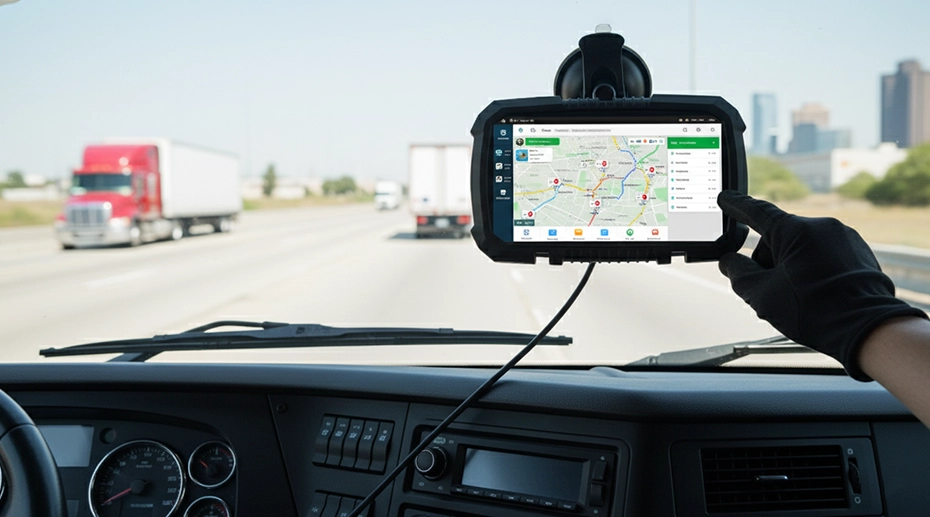
1. Operating System Strategy
While Android tablet with GPS solutions dominate the market, version selection matters:
Android Enterprise Recommended: Ensures security updates for 3+ years, essential for long-term deployment
Kiosk Mode Capability: Ability to lock devices to specific fleet applications, preventing unauthorized use
Version Fragmentation: Avoid devices running outdated Android versions (below 10) due to security vulnerabilities
2. Performance Requirements by Fleet Size
| Fleet Size | Recommended RAM | Storage Minimum | Processor Class | Typical Applications |
|---|---|---|---|---|
| Small (1-25 vehicles) | 4GB | 64GB + microSD | Mid-range 8-core | Basic ELD, navigation, simple reporting |
| Medium (26-100 vehicles) | 6GB | 128GB | High-performance 8-core | Advanced routing, video telematics, multi-app operation |
| Large (100+ vehicles) | 8GB+ | 256GB | Enterprise-grade with dedicated GPU | AI analytics, real-time video processing, complex integrations |
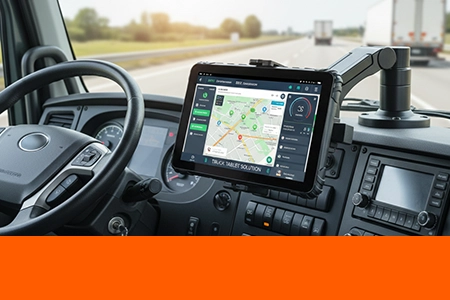
3. Mounting & Installation Considerations
Proper installation affects both safety and device longevity:
Anti-Theft Mounts: Key-locked docking stations prevent casual theft
Cable Management: Professional installations route cables safely away from driver controls
Heat Dissipation: Ensure mounting doesn't block device ventilation in hot climates
Driver Ergonomics: Position should allow glance-able viewing without obstructing road vision
Total Cost of Ownership Analysis: Rugged vs. Consumer Grade
5-Year TCO Comparison (Per Device)
| Cost Category |
Consumer Tablet ($300 initial) |
Rugged Fleet Tablet ($1,200 initial) |
Notes |
|---|---|---|---|
| Initial Purchase | $300 | $1,200 | Professional devices cost 3-4x more upfront |
| Replacements (5 yrs) | $900 (3 replacements) | $0 | Consumer devices average 15-month lifespan in fleet use |
| Repair/Maintenance | $200 | $50 | Rugged devices have modular, repairable designs |
| Downtime Cost | $1,500 | $100 | Based on 3 days downtime/yr at $100/day operational loss |
| Data/Subscription | $600 | $600 | Similar connectivity requirements |
| 5-Year Total | $3,500 | $1,950 | Rugged solution saves $1,550 despite higher initial cost |
Hidden Costs of Consumer Tablets:
Data Loss Risk: Consumer device failure often means lost delivery proofs, logs, and reports
Security Vulnerabilities: Lack of regular security updates exposes fleet data
Driver Frustration: Poor performance in extreme conditions affects morale and adoption
Compliance Risks: ELD malfunctions can lead to FMCSA violations and fines
Specialized Tablet Solutions For Truck
Long-haul trucking presents unique challenges requiring specialized truck tablet configurations:
Vibration Mitigation for Over-the-Road Trucks
Highway vibration patterns differ from local delivery vehicles:
Constant Frequency Testing: Devices should withstand 2-5Hz vibrations (typical highway range) for 1+ million cycles
Shock Resistance: Pothole impacts can generate 50G+ shocks; professional tablets handle 100G+ operational shocks
Internal Component Securing: Industrial tablets use epoxy-secured components versus clip-in consumer designs
Integrated Vehicle Diagnostics
Beyond basic OBD-II, advanced fleet management tablets offer:
Predictive Maintenance Alerts: Analyzes engine data to predict component failures 30-60 days in advance
Fuel Consumption Analytics: Tracks idle time, aggressive driving impact on MPG, and optimal shift points
Trailer Tracking Integration: Monitors reefer units, door sensors, and cargo conditions
Driver Comfort & Productivity Features
Hands-Free Communication: Integrated microphones/speakers optimized for noisy cabin environments
Automated Rest Break Planning: Suggests optimal rest areas based on HOS remaining and amenities
Weather Integration: Real-time weather overlay on routes with automatic rerouting around severe conditions
Overcoming Implementation Challenges
1. Phased Rollout Strategy
Avoid "big bang" deployments. Successful implementations typically follow:
Phase 1 (Weeks 1-4): Pilot with 5-10% of fleet, select tech-savvy drivers as champions
Phase 2 (Weeks 5-12): Expand to 50% with enhanced training based on pilot feedback
Phase 3 (Months 4-6): Full deployment with refined processes and support systems
2. Integration with Existing Systems
Most fleets have existing technology investments. Key integration points:
Backend API Connectivity: Ensure tablet software can integrate with existing TMS, ERP, or accounting systems
Legacy Device Phase-Out: Plan gradual retirement of older GPS units, paper logs, and separate communication devices
Data Migration Strategy: Historical data import from previous systems maintains operational continuity
3. Driver Training & Adoption
Resistance to change is natural. Mitigation strategies include:
Gamified Learning: Interactive training with rewards for proficiency milestones
Peer Mentoring: Pair experienced digital drivers with resistant ones
Clear Benefit Communication: Explain how tablets reduce paperwork, improve route planning, and simplify compliance
Ongoing Support: Dedicated help desk for first 90 days, then integrated into regular IT support
Tablet Manufacturer Selection Criteria
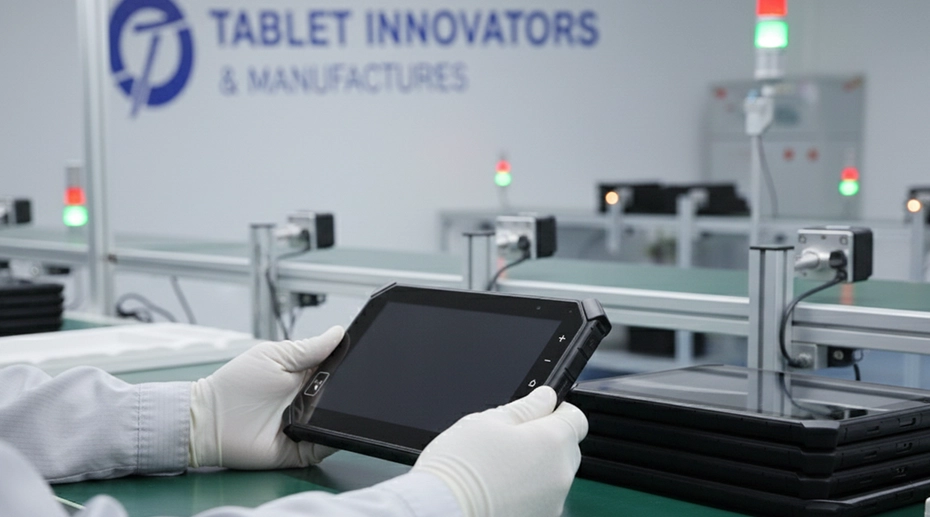
Choosing a reliable Tablet Manufacturer involves evaluating factors beyond initial price:
1. Long-Term Support & Lifecycle Management
Minimum 5-Year Availability: Ensures replacement units for fleet expansion
Security Update Commitment: Guaranteed Android security patches for device lifespan
Depot Repair Network: North American/European service centers for quick turnaround
2. Customization Capabilities
Off-the-shelf solutions rarely fit all needs. Evaluate:
Hardware Customization: Ability to add/remove ports, change button layouts, or modify I/O
Software Pre-Loading: Factory installation of fleet-specific applications
Branding Options: Company logo, color schemes, and startup screens
3. Industry-Specific Experience
Transportation References: Case studies from similar fleet operations
Regulatory Knowledge: Understanding of ELD, FMCSA, and international transport regulations
Partner Ecosystem: Integration partnerships with major fleet software providers
Future-Proofing Your Investment: 5G, AI & IoT Integration
1. 5G Connectivity Implications
While current 4G LTE serves most needs, 5G enables:
Real-Time HD Video Streaming: Live monitoring of cargo and driver behavior
Edge Computing Distribution: Processing split between device and network edge
Vehicle-to-Everything (V2X): Direct communication with infrastructure and other vehicles
Recommendation: Select android tablet with GPS solutions that are 5G-ready even if deploying initially on 4G networks.
2. Artificial Intelligence Integration
Next-generation fleet management tablets will incorporate:
Predictive Route Optimization: AI algorithms analyzing historical patterns, weather, and events
Automated Incident Documentation: Using multiple sensors to automatically create accident reports
Intelligent Load Planning: AI-assisted trailer loading optimization based on delivery sequence
3. Expanded IoT Sensor Integration
The tablet as IoT hub will connect:
Cargo Condition Sensors: Temperature, humidity, shock, and tilt monitoring
Preventive Maintenance Sensors: Tire pressure, brake wear, engine component monitoring
Driver Wellness Monitors: Optional integration with wearables for health monitoring
Conclusion & Next Steps
The journey from traditional fleet management to digitally-optimized operations centered on in-cab tablets is no longer optional for competitive transportation companies. The integration of tablet and GPS technology has matured from a "nice-to-have" to a fundamental operational necessity, delivering measurable ROI through fuel savings, improved safety, regulatory compliance, and enhanced customer service.
Successful implementation requires careful evaluation of android tablet with GPS specifications against actual operational needs, realistic Total Cost of Ownership analysis, and strategic planning for driver adoption and system integration. The manufacturers that thrive will be those offering not just hardware, but comprehensive solutions addressing the complete lifecycle of fleet technology management.
Ready to Transform Your Fleet Operations?
Based on your specific needs, explore these tailored next steps:
Need Immediate Technical Specifications?
Have specific integration requirements? Contact our technical team for customized solutions.