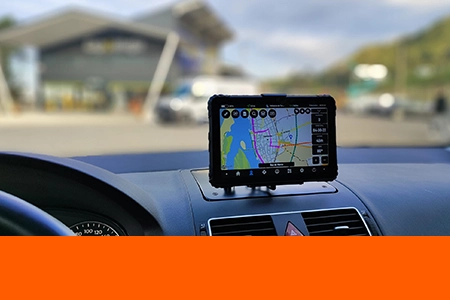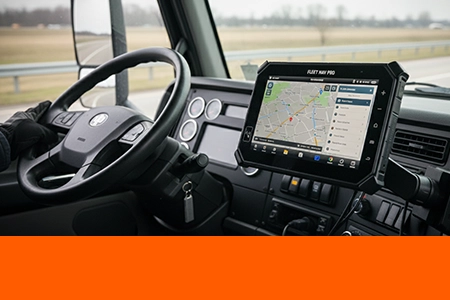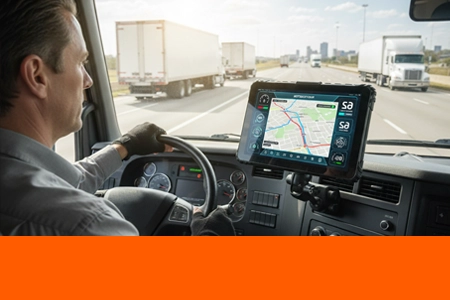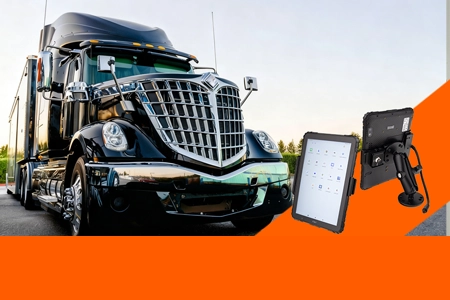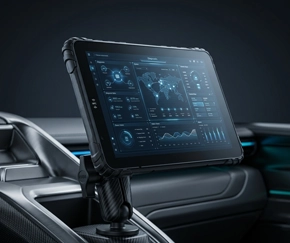
What Is a Vehicle Mounted Tablet? Benefits, Use Cases, and Industry Adoption
From logistics and public transit to construction and field service — purpose-built in-vehicle tablets are replacing consumer devices as the central interface for navigation, dispatch, compliance, and real-time fleet communication.
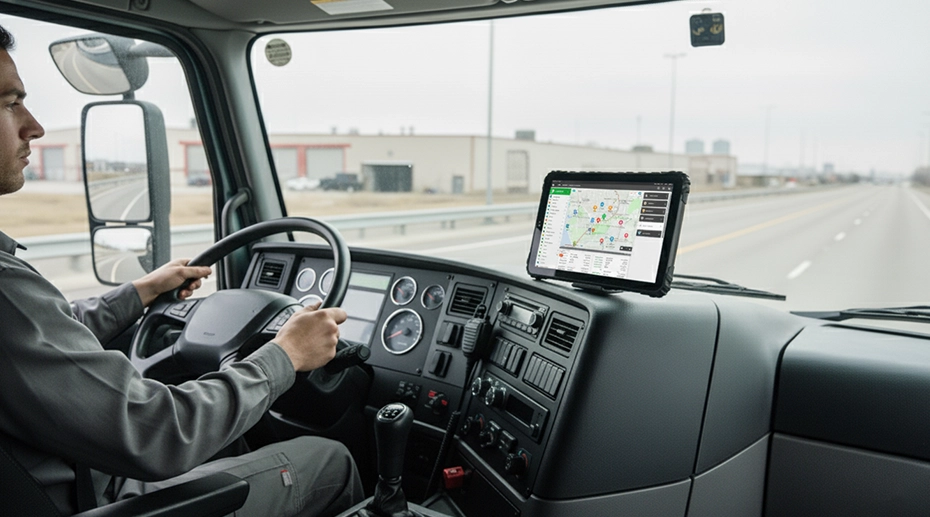
Table of Contents
1. Introduction
As commercial fleets evolve toward digital operations, the demand for reliable vehicle mounted tablet solutions continues to accelerate. In industries such as logistics, public transportation, delivery services, construction, and field service, tablets have become essential for navigation, dispatch, diagnostics, and real-time data communication. Moving beyond temporary adaptations to adopt a comprehensive Truck Tablet Solution enables fleets to address specific operational challenges systematically.
This article explores why industrial fleets are transitioning from consumer devices to purpose-built in-cab hardware, how tablets in trucks improve workflow efficiency, and why partnering with a professional Tablet Manufacturer ensures long-term stability. We also break down the advantages of adopting an in-vehicle tablet system and provide actionable implementation tips for fleet managers.
2. Why Vehicle Mounted Tablets Are Becoming Essential
Fleet digitalization is no longer optional. Companies that manage trucks, buses, service vans, and engineering vehicles must maintain constant communication with drivers and streamline their operational workflows. The shift to vehicle mounted tablet systems is driven by:
In-cab navigation and route optimization
Digital job orders and dispatch information
Vehicle diagnostics and CAN-bus data access
Compliance with electronic logging and inspection requirements
Real-time communication between driver and control center
A dedicated in-vehicle device provides reliability that consumer devices cannot match. Industrial fleets need equipment built for vibration, heat, dust, and high-usage environments — all challenges that a vehicle-integrated Android system, effectively serving as a mobile data terminal, handles more consistently.
3. Challenges Faced by Fleets Using Consumer Tablets
Before adopting specialized systems, many fleets attempt to use standard consumer tablets. However, several problems quickly emerge:
3.1 Heat and Temperature Exposure
Truck cabins often reach extreme temperatures. Consumer tablets may shut down, overheat, or suffer battery damage under prolonged exposure.
3.2 Poor Mounting and Stability
Without industry-grade mounting systems, devices vibrate or fall, distracting the driver and causing frequent hardware failures. A proper vehicle mount terminal setup eliminates these risks.
3.3 Lack of Reliable Power Connectivity
Fleet tablets require constant charging. Consumer charging ports wear out quickly, while dedicated vehicle mounts allow locked and stable power.
3.4 Limited Durability Against Dust and Shock
Transportation, construction, and mining fleets operate in rugged environments. Only a true in-vehicle tablet can withstand such stress.
3.5 Software Fragmentation
Consumer devices lack enterprise features such as MDM remote management, kiosk mode, or secure fleet configuration.
Because of these challenges, fleets increasingly transition to industrial-grade vehicle mounted tablet solutions.
4. Key Benefits of a Vehicle Mounted Tablet
Drivers access one central system for navigation, compliance, vehicle status, and dispatch.
Industrial tablets are shock-resistant, waterproof, dustproof, and certified to automotive vibration standards.
Vehicle docking mounts keep tablets firmly in place, ensuring safety and preventing operational interruption.
With stable 4G/5G, Wi-Fi, and GNSS, dispatchers and drivers maintain constant connection.
Fewer repairs, long-term hardware lifecycle, and enterprise management tools reduce operating costs.
5. How Tablets in Trucks Improve Fleet Performance
Installing a tablet in truck cabins improves not only navigation and logistics coordination but also overall fleet intelligence.
Real-time GPS, traffic updates, and integrated fleet software reduce delays.
Control centers assign new tasks instantly — drivers receive updates directly on the in-vehicle tablet.
Electronic Driver Logs via ELD tablet systems, pre-trip inspections, and vehicle health checks completed digitally.
Optimized routing and efficient reporting lead to improved fuel usage.
6. Core Features of an Effective In-Vehicle Tablet
7. Choosing the Right Tablet Manufacturer
Selecting a reliable Tablet Manufacturer ensures hardware stability, long-term firmware support, and enterprise-grade service. Key criteria include:
For system integrators and fleet solution providers, working with an OEM hardware platform supplier offers additional advantages: white-label branding, custom I/O configuration, pre-loaded software, and MDM pre-enrollment. Learn more about TOPICON's OEM customization →
8. Real-World Use Case: Fleet Deployment with In-Vehicle Tablets
A regional logistics operator with a large truck fleet previously relied on consumer tablets for navigation and dispatching. Frequent device breakdowns caused delays and increased maintenance costs.
Before Deployment
Tablets overheating during summer
Poor mounting stability causing distraction
Inconsistent network connection
Difficulty updating apps across devices
After Switching
Significant reduction in downtime
Real-time dispatch synchronization
Accurate GNSS even in rural areas
Fleet-wide MDM updates in minutes
The transition dramatically improved productivity and lowered costs, highlighting the importance of rugged, industrial-grade in-vehicle tablet systems. Explore fleet management tablet solutions →
9. Implementation Tips for Fleet Managers
10. Conclusion
As fleets adapt to modern digital operations, the vehicle mounted tablet has become a central tool for navigation, compliance, dispatching, and communication. Purpose-built tablets offer unmatched durability and stability compared to consumer devices. When combined with professional support from a trusted Tablet Manufacturer, fleet operators gain a robust and future-proof solution that enhances efficiency, reduces downtime, and supports long-term operations.
Whether you operate logistics trucks, buses, service vehicles, or construction equipment, adopting a professional tablet in truck system will significantly improve your fleet's performance and reliability.
Ready to Deploy Vehicle Mounted Tablets?
Explore TOPICON's rugged tablet lineup or request OEM customization for your fleet deployment.
Explore Related Solutions