What Is a Mobile Data Terminal? | MDT Hardware Guide
Understanding rugged Android MDT hardware for fleet, police, and dispatch systems. TOPICON provides enterprise-grade MDT hardware platforms, enabling system integrators and solution providers to deploy their own software reliably in harsh vehicle environments.
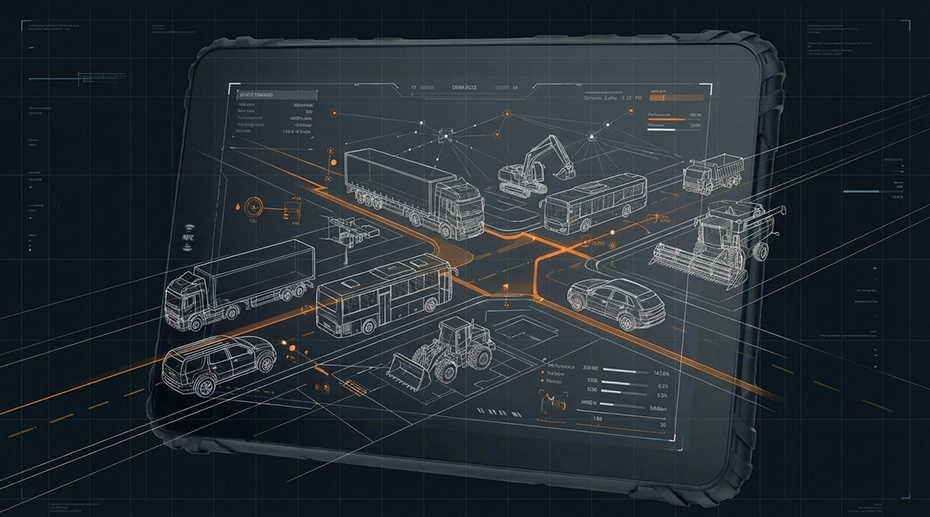
Looking for OEM MDT hardware for your solution? Visit our complete Mobile Data Terminal resource hub →
Table of Contents
1. What Is a Mobile Data Terminal?
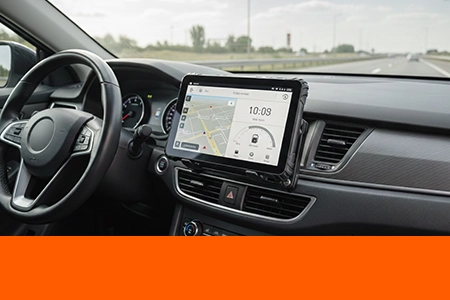
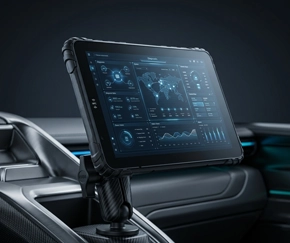
A Mobile Data Terminal (MDT) is an in-vehicle computing device used to connect vehicles with central management or dispatch systems. Modern MDTs typically function as hardware endpoints, running third-party applications for fleet management, public safety, logistics, or field operations. Think of it as a vehicle-grade data terminal hardware — ruggedized, always-connected, and purpose-built to serve as the computing backbone inside commercial and emergency vehicles.
TOPICON provides enterprise-grade MDT hardware platforms, enabling system integrators and solution providers to deploy their own software reliably in harsh vehicle environments.
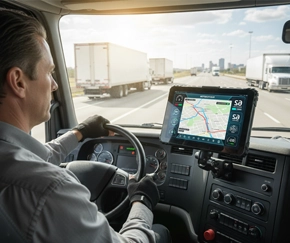
Direct vehicle connection
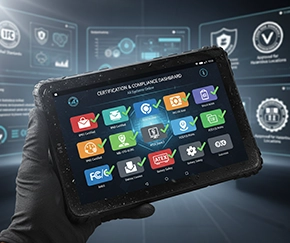
Runs partner software
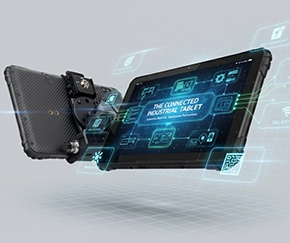
Designed for vehicle use
2. Key Features of MDT Hardware
Hardware Platform Features
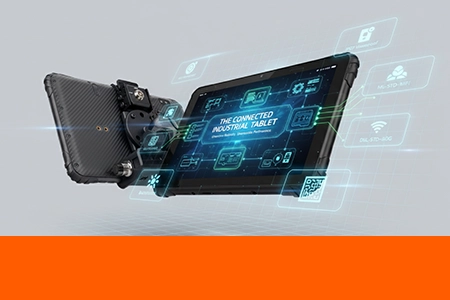
Rugged Android operating system
Vehicle-grade power & ignition control
Multiple I/O for cameras, sensors
High-brightness display for in-vehicle use
Cradle & mounting ecosystem
MDM compatibility
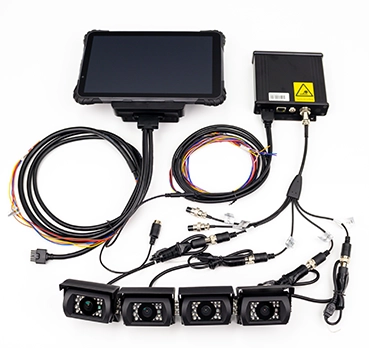
MDTs provide extensive connectivity options for system integration
3. What MDTs Do NOT Replace
It's important to clarify the hardware-first approach:
MDTs do not replace fleet management software, dispatch platforms, or backend systems.
Instead, they are designed to serve as stable, long-life hardware terminals for running third-party MDT, CAD, AVL, or telematics applications. A robust OEM-grade MDT platform acts as the reliable computing layer underneath your software stack, handling environmental stress while your applications manage the logic.

4. Who Uses Mobile Data Terminal Hardware
Fleet Management System Providers
Hardware platform for vehicle telematics and dispatch solutions
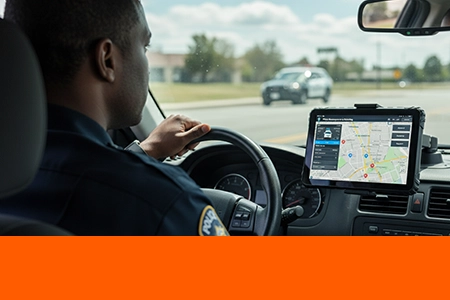
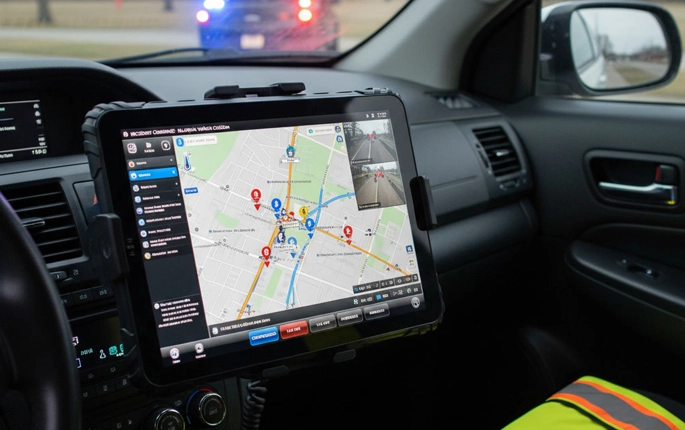
Police & Public Safety Integrators
Rugged terminals for CAD/RMS and emergency response systems
Telematics Solution Vendors
Vehicle data collection and transmission hardware
Vehicle OEM / Upfitting Partners
Factory-installed or aftermarket computing platforms
5. MDT Use Scenarios
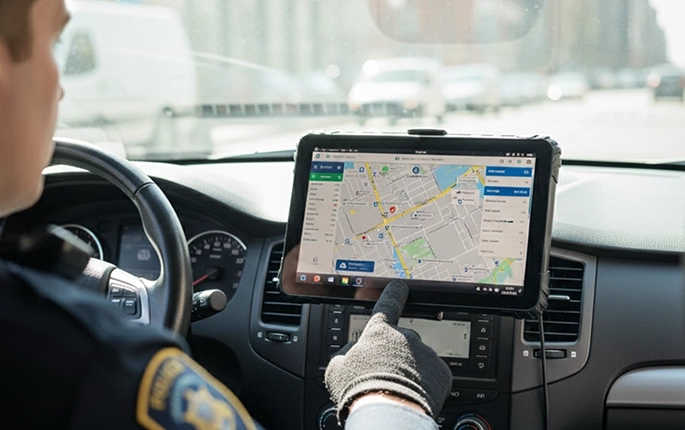
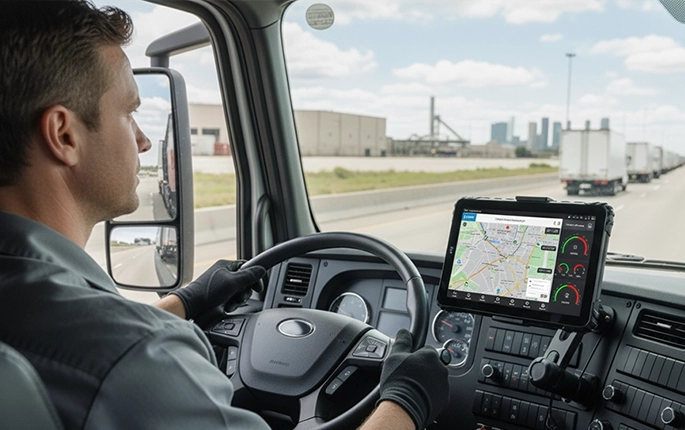
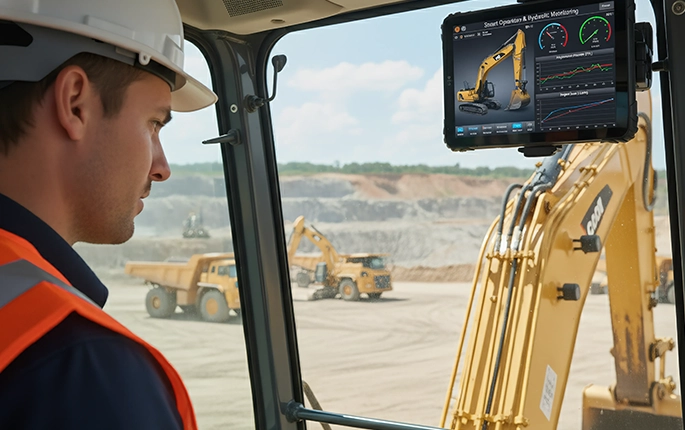
Truck & Fleet Dispatch
Displaying route information, ELD data, and receiving dispatch assignments via an automated driver log terminal
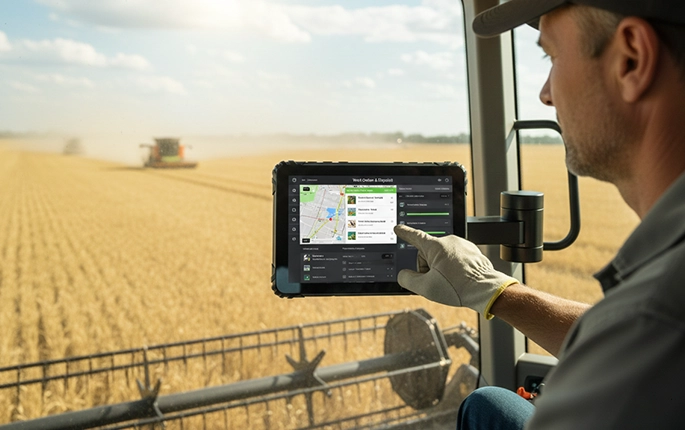
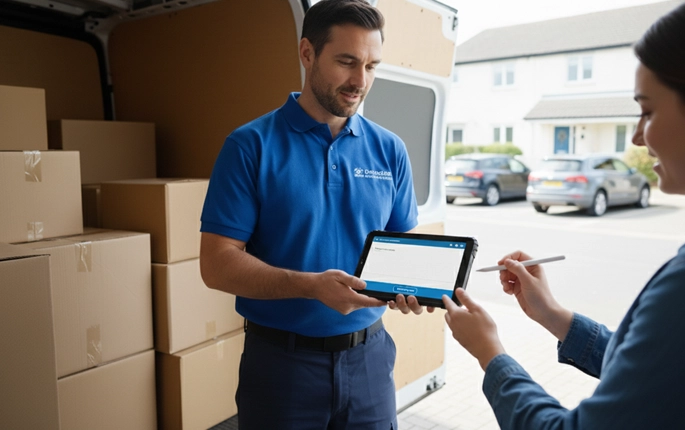
Logistics & Delivery
Supporting proof of delivery, inventory management, and route optimization. A cab-integrated computing module keeps the driver connected without switching between multiple screens.
6. MDT vs Consumer Tablets
Related Resources
OEM hardware specifications and customization
Mounting solutions for fleet vehicles
ELD, dispatch, and telematics hardware
For public safety applications
For trucking and logistics fleets
Tailor hardware to your deployment needs
Need a Reliable MDT Hardware Platform for Your Solution?
TOPICON provides enterprise-grade MDT hardware with custom I/O, private labeling, and long-term supply stability.