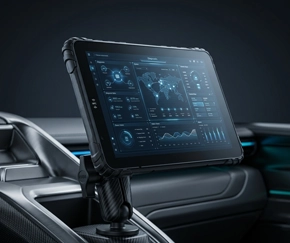
Ordering Tablets: The Complete Guide for Restaurants, Cafes, and Retail
A comprehensive guide to choosing, implementing, and optimizing ordering tablets for food service and retail businesses to improve efficiency and customer experience.
What Is an Ordering Tablet?
Definition and Core Functionality
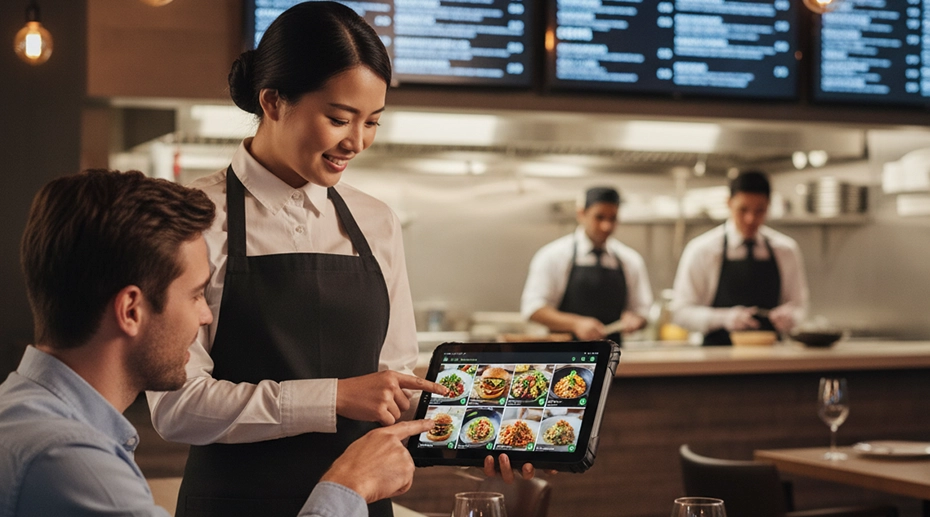
An ordering tablet is a specialized tablet device designed specifically for taking customer orders in food service, hospitality, and retail environments. Unlike general-purpose tablets, these devices are optimized for commercial use with robust hardware, specialized software, and integration with point-of-sale (POS) systems.
Difference Between Consumer Tablets and Ordering Tablets
Designed for personal use
Basic durability
Limited commercial software
Standard battery life
Built for commercial environments
Enhanced durability
Specialized POS software
Extended operation time
How Ordering Tablets Improve Service Efficiency
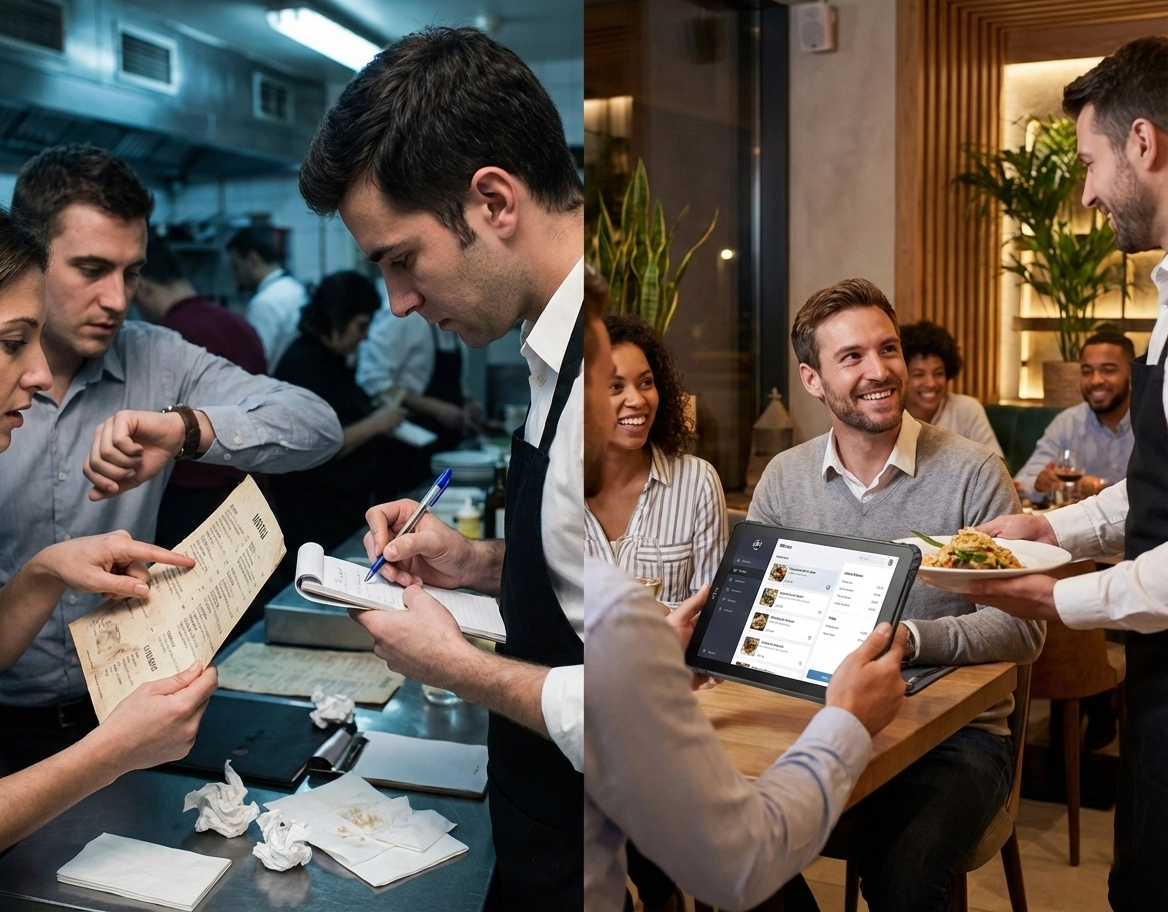
Ordering tablets streamline the order-taking process by enabling direct entry into the POS system, reducing manual transcription errors, and allowing staff to take orders tableside, at counters, or even in queue lines before customers reach the register.
Key Features of Modern Ordering Tablets
Touchscreen Interfaces and Customizable Menus
High-quality capacitive touchscreens that work reliably even with wet or gloved hands, coupled with software that allows real-time menu updates, specials, and item availability changes.
Integration with POS Systems
Seamless connectivity with popular POS platforms, ensuring orders flow directly to kitchen display systems or printers without manual intervention.
Connectivity: Wi-Fi, Bluetooth, and Cloud Sync
Reliable wireless connectivity options that maintain stable connections in busy environments, with cloud synchronization for order data, customer preferences, and inventory updates.
Durability and Commercial-Grade Design
Reinforced construction to withstand spills, drops, and constant use in high-traffic commercial settings, often featuring antimicrobial coatings for hygiene.
Benefits of Using Ordering Tablets in Your Business

Types of Ordering Tablets Available

Restaurant & Cafe Tablets
Specifically designed for food service with menu management, table mapping, and kitchen communication features. Often include heat-resistant and spill-proof designs.
Retail and Point-of-Sale Tablets
Optimized for retail checkout, inventory lookup, and mobile point-of-sale applications with barcode scanning capabilities and payment processing integration.
Rugged Tablets for High-Traffic Environments
Industrial-grade tablets with enhanced durability for outdoor use, food courts, or environments where devices may be subject to frequent cleaning or rough handling. → View Rugged Tablet Solutions
Tablet Kiosks vs Handheld Devices
Self-service kiosk stations for customer use versus staff-held devices for tableside ordering—each serving different operational needs and customer interaction models.
How to Choose the Right Ordering Tablet for Your Business
Consider Your Industry and Use Case
Food service, quick service, fine dining, retail, and hospitality each have different requirements for tablet features, durability, and software integration.
Budget and ROI Considerations
Calculate total cost of ownership including hardware, software, maintenance, and training against projected efficiency gains and revenue increases.
Software Compatibility and Integration
Ensure the tablet hardware is compatible with your existing or planned POS software, payment processors, and other business systems.
Screen Size, Battery Life, and Portability
Balance screen visibility with device portability, and ensure battery life meets your operational hours, especially for mobile ordering scenarios.

Implementation Best Practices
Staff Training and Onboarding
Develop comprehensive training programs that cover not only device operation but also best practices for customer interaction, troubleshooting, and data security protocols.
Maintenance and Security
Establish regular cleaning schedules, software update procedures, and security measures to protect customer payment information and business data.
Scaling from Small to Large Operations
Start with a pilot program to test workflows and identify issues before full deployment, ensuring your system can scale efficiently as your business grows.
Future Trends in Ordering Tablets
Conclusion
Ordering tablets represent a significant advancement in how restaurants, cafes, and retail businesses interact with customers and manage operations. By improving efficiency, reducing errors, and enhancing the customer experience, these devices offer compelling return on investment for businesses of all sizes.
As technology continues to evolve with AI integration, advanced analytics, and seamless payment solutions, ordering tablets will become even more integral to successful business operations in the hospitality and retail sectors.
Ready to explore ordering tablet solutions for your business?