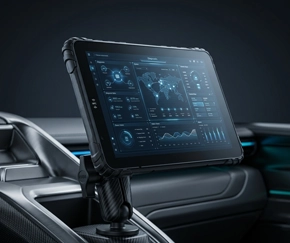
Tablet Battery Swelled in Truck Cab – Why It Happens and How Rugged MDTs Prevent It
"I picked up my tablet from the truck cab and the screen was pushing out of the case." If you've seen a swollen battery in a fleet device, you know the drill — stop using it immediately, isolate it somewhere non-flammable, and start shopping for a replacement. But more importantly: why did it happen, and how do you prevent it from happening again across your entire fleet?
What Fleet Operators Are Experiencing
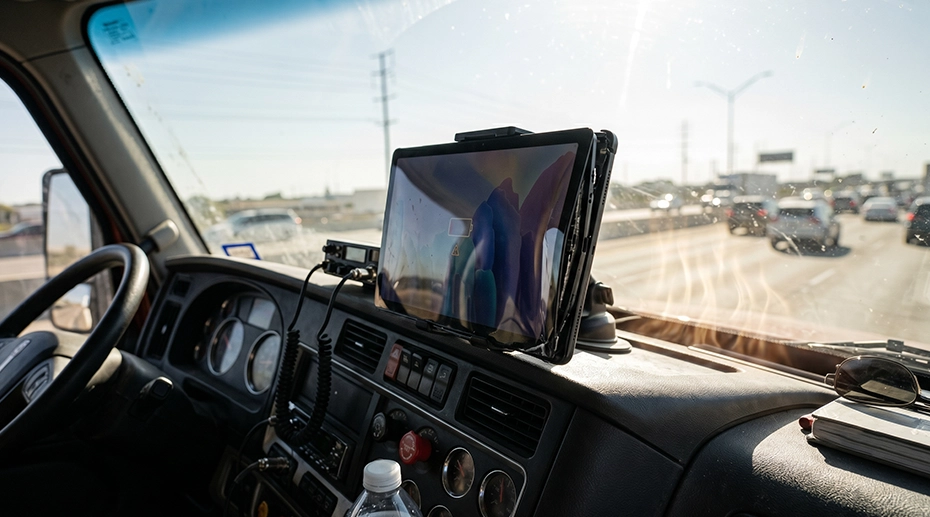
If you manage a fleet that uses tablets in vehicles, you've probably seen this scenario at least once. A driver reports their tablet "looks weird." You check it and find the screen lifting away from the body. The back cover is bulging. The device doesn't sit flat anymore. That's a swollen lithium-ion battery — and it's not just a device failure. It's a safety hazard, a compliance risk, and a sign that your hardware isn't right for the environment it's operating in.
"Had a driver call in yesterday — his tablet screen was lifting off. Battery had swollen so much the case cracked. He'd been using it in the truck for about 8 months. Now we're down one device and I'm wondering how many others in the fleet are about to do the same thing."
— Fleet manager, logistics company (Reddit r/sysadmin)
Why Tablet Batteries Swell in Vehicle Cabs
Lithium-ion batteries swell when the electrolyte inside breaks down — and heat is the primary accelerator. A truck cab parked in summer sun can reach 50-60°C (120-140°F) within minutes. Add a tablet running GPS navigation, cellular data, and a charging current, and the battery is generating its own heat on top of the ambient temperature.
Consumer tablets are designed for room-temperature, intermittent use — think Netflix on the couch, not 10-hour shifts in a sun-baked cab. They have no active thermal management. Their batteries are sealed inside with no ventilation. And many fleet deployments add a foam protective case, which acts as an insulator — trapping even more heat around the device.
Cabin Heat + Charging = Double Load
Ambient cab temperature already stresses the battery. Add charging current and processor heat from running GPS + cellular — the battery cooks from both outside and inside.
Foam Cases Trap Heat
That rugged-looking foam case might protect against drops, but it's also a thermal insulator. Heat from the battery and processor has nowhere to go — it builds up inside the case like an oven.
Constant Charging, No Regulation
Consumer tablets plugged into a USB charger stay at 100% charge continuously — which degrades lithium-ion cells faster than cycling between 20-80%.
No Thermal Dissipation Design
Consumer tablets rely on passive cooling through the chassis — no heat pipes, no ventilation, no thermal management. Industrial tablets are engineered with thermal dissipation in mind.
The Real Cost: It's Not Just a $300 Tablet
When a tablet battery swells mid-route, you lose more than the device.

ELD Compliance Gap
Driver can't log HOS. Missing records during an audit or roadside inspection = FMCSA fines starting at $1,000+ per violation.

Driver Downtime
While the driver waits for a replacement device or returns to the depot, the vehicle isn't generating revenue. One day of downtime can cost more than a rugged tablet.

Safety Hazard
A swollen lithium battery is a fire risk. In a vehicle cab — surrounded by flammable materials — this is not a hypothetical danger.
Bottom line: The cost of one swollen battery incident — replacement device + driver downtime + potential fine — often exceeds the price difference between a consumer tablet and a rugged MDT for an entire fleet deployment.
What to Look For in a Tablet That Won't Swell
If your fleet operates in vehicle cabs — especially in warm climates — the tablet's thermal design matters more than any other spec. Here's what separates a device that handles heat from one that swells:
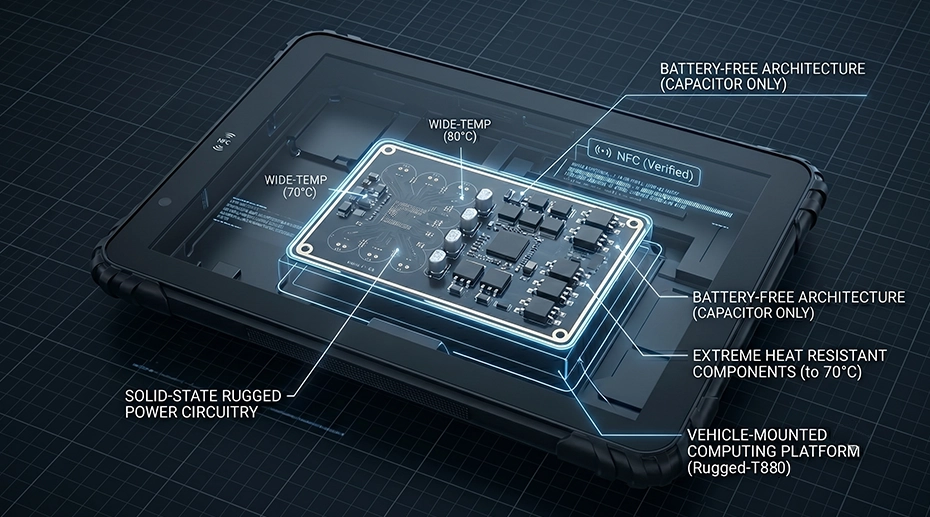
✓ User-Replaceable Battery
When a battery reaches end of life, swap it in 30 seconds — no tools, no service center, no device replacement. The tablet stays in service. Rugged MDTs with hot-swappable batteries →
✓ Active Thermal Dissipation
Industrial tablets are designed with heat dissipation in mind — metal chassis, thermal pads, and passive cooling paths that consumer devices simply don't have.
✓ 9-36V Vehicle Power with Ignition Sense
The tablet charges only when the engine is running — no constant trickle-charging at 100%. Powers off with the ignition, reducing unnecessary heat exposure.
✓ No Foam Case Required
IP67/MIL-STD-810G rated — the tablet is drop-resistant and dustproof out of the box. No insulating case trapping heat around the device.
Rugged MDTs Built for Hot Cab Environments
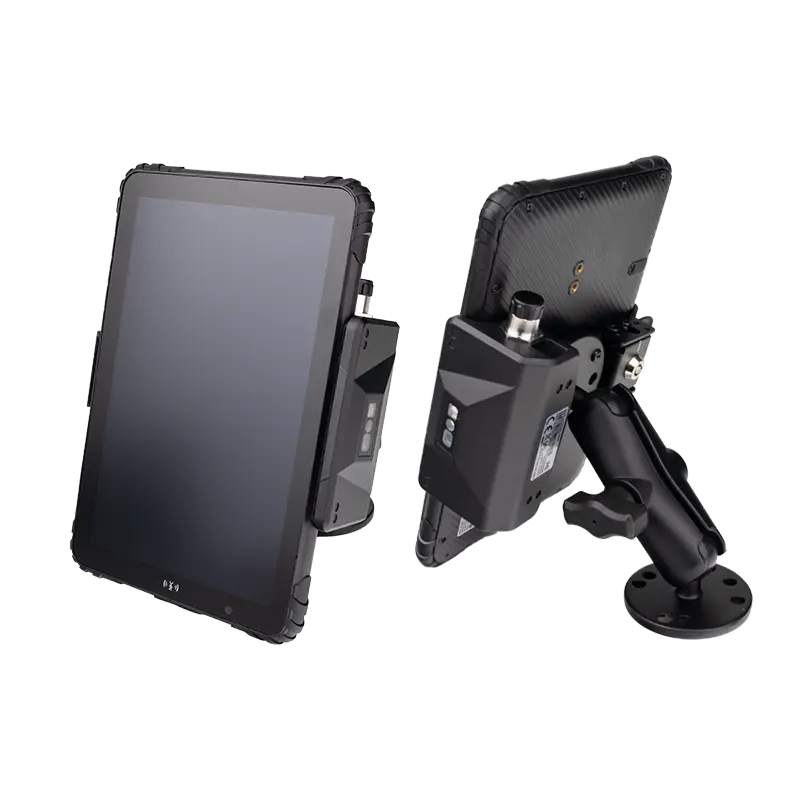
MDT865
8" Compact · User-Replaceable Battery · 9-36V Vehicle Power
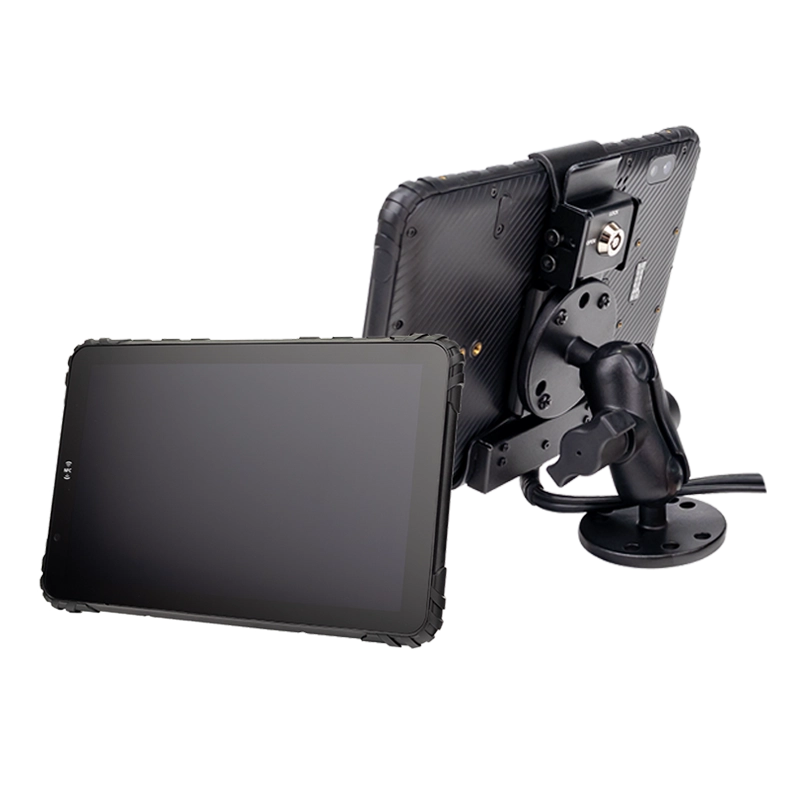
MDT880 5G
8" 5G · 1000-nit · Vehicle Docking · IP67
Frequently Asked Questions
Why do tablet batteries swell in hot truck cabs?
Lithium-ion batteries degrade when exposed to sustained high temperatures. A truck cab in summer can reach 50-60°C. Combined with heat from charging and processor load, the battery electrolyte breaks down and produces gas — causing the battery to swell. Consumer tablets lack thermal management to handle this.
Is a swollen tablet battery dangerous?
Yes. A swollen lithium-ion battery is a fire hazard. The internal pressure can rupture the cell, potentially causing thermal runaway — a self-sustaining fire that is extremely difficult to extinguish. If you notice a swollen battery, stop using the device immediately and store it in a cool, dry place away from flammable materials.
Can rugged tablets prevent battery swelling?
Rugged MDTs with user-replaceable batteries, active thermal dissipation, and ignition-sensing vehicle power significantly reduce the risk. The battery can be replaced at end of life without replacing the entire device, and the tablet isn't constantly charging at 100% when the vehicle is off. Explore rugged MDTs with replaceable batteries →
What should fleet managers look for to prevent battery failures?
Prioritize user-replaceable batteries, vehicle power integration with ignition sensing, IP67/MIL-STD-810G rating (no insulating case needed), and wide operating temperature range (-20°C to 60°C minimum). These features are standard on professional-grade MDTs, not consumer tablets.
Tired of Replacing Swollen Tablets in Your Fleet?
TOPICON rugged MDTs are built for hot cab environments — with user-replaceable batteries, vehicle power integration, and IP67 protection.