Beyond the Rugged Look: Why Vibration Testing is the Silent Guardian of Fleet Tablets
Understanding MIL-STD-810H and the engineering behind reliable in-vehicle computing. A rugged exterior means nothing if the internal electronics can't survive the constant vibration of a moving bus — here's how genuine industrial-grade hardware is validated.

Table of Contents
1. The Hidden Failure No One Talks About
A city transit agency deployed 200 "rugged" tablets across their bus fleet. Within three months, 47 units failed — not from drops, not from water damage, but from continuous vibration. Screens flickered. Internal connectors loosened. Motherboards cracked.
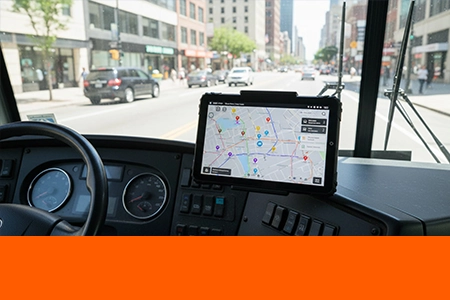
The tablets looked rugged. They had IP67 ratings and thick rubber bumpers. But they weren't engineered for the unique vibration profile of a moving bus. While many factors contribute to hardware longevity, dedicated bus-integrated terminals must prioritize vibration resistance above all else — and a locking in‑cab docking station further isolates the device from chassis vibration.
"The difference between a tablet that survives a fleet route and one that fails is not in the marketing specs — it's in the vibration test report."
2. The Science of Vibration in Commercial Vehicles
Not all vibration is created equal. In a transit vehicle, electronic components face two distinct threats that a purpose‑built vehicle computing module is engineered to withstand from the PCB up.

Low-Frequency Vibration (1-50 Hz)
Caused by road irregularities, potholes, and speed bumps. Creates mechanical stress on mounting systems, display assemblies, and external connectors.

High-Frequency Vibration (50-500 Hz)
Generated by the engine, transmission, and HVAC systems. Causes microscopic wear on solder joints, connector pins, and internal PCB traces.
The most dangerous phenomenon is resonance — when vibration frequency aligns with a component's natural frequency, causing amplification up to 10x. Consumer-grade tablets have no protection against resonance; industrial in-vehicle hardware is specifically designed to avoid it. A fleet‑engineered computing platform accounts for these frequencies in every mechanical design decision.
3. Decoding MIL-STD-810H Method 514.8

MIL-STD-810H is the gold standard for environmental testing of military and commercial equipment. Method 514.8 specifically addresses random vibration testing — and it's where most "rugged" tablets fail. This is the same test that a validated mobile data collection platform must pass before being deployed in any heavy‑duty vehicle.
What Random Vibration Testing Actually Means
Unlike simple sinusoidal vibration tests (single frequency up and down), random vibration simulates real-world conditions — multiple frequencies simultaneously, at varying intensities, mimicking actual vehicle operation over thousands of miles.
Standard tablets may survive a drop, but only devices designed as automotive‑grade in‑vehicle hardware can endure the 24/7 vibration of a transit fleet. Look for test reports that specify the exact MIL‑STD‑810H method and duration — not just a checkbox on a datasheet.
4. What's Inside? The Engineering That Survives
A truly in-vehicle rugged tablet is not a consumer tablet in a heavy case. The internal engineering tells the real story — from locking connectors to underfill technology, every design choice is made to survive constant vibration.

Locking Connectors
Marine‑grade locking connectors prevent internal cable loosening under constant vibration — a primary failure point on consumer devices.

Underfill Technology
Chip‑scale components are bonded to the PCB using epoxy underfill, absorbing micro‑vibration and preventing solder joint fatigue — standard in every hardened mobile data device designed for fleet operation.

Anti‑Vibration Mounts
Rubberized mounting grommets on critical components like storage drives and batteries isolate them from chassis vibration.
Built for the Worst Route, Not the Best Lab
TOPICON tablets are designed from the ground up for in‑vehicle deployment — not adapted from consumer designs. Configure a vibration‑validated OEM tablet for your fleet's specific operating conditions.
5. The Total Cost of Ownership Reality
Fleet procurement managers often focus on initial purchase price. But in harsh in‑vehicle environments, the real cost drivers are downtime, repair logistics, and premature replacement cycles. A long‑lifecycle fleet computing investment pays for itself within the first two years of avoided failures.
The math is simple:
Consumer tablet: $400 upfront — fails in 6‑12 months in high‑vibration routes
Industrial vehicle‑grade tablet: $800‑1200 upfront — 5‑7 years of reliable operation
Result: Lower total cost of ownership, fewer vehicle returns to depot, higher driver uptime
Ready to explore hardware built for the toughest routes?
Compare our latest high‑vibration resistant bus tablet series.
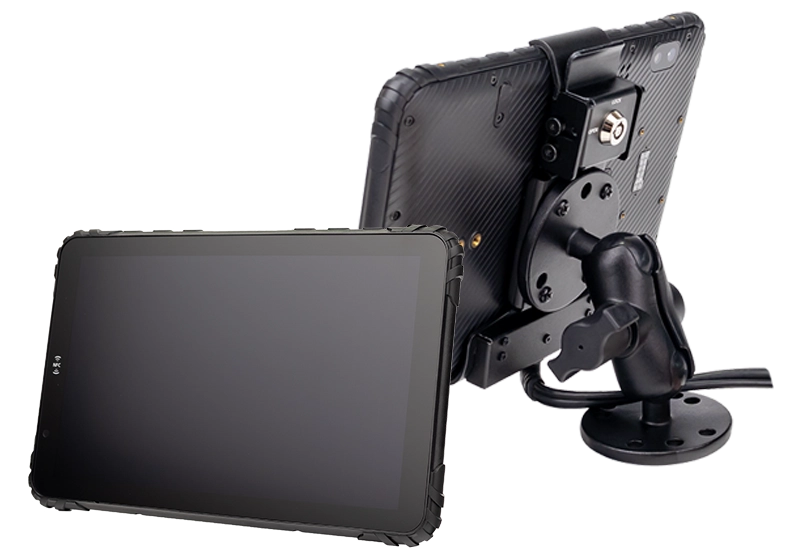
MDT865
Tested beyond MIL‑STD‑810H to ensure zero downtime on rugged roads. ELD‑compliant configurations available for fleets that need both vibration resistance and logging capability.
Related Vibration & Fleet Hardware Resources
© 2026 TOPICON — Engineering in‑vehicle computing for the world's toughest routes.