RFID Tablet Solution for Industrial Data Capture and Asset Tracking
Deploy rugged RFID-enabled tablets to optimize inventory tracking, warehouse operations, and logistics management — with integration-ready hardware platforms for system integrators.
What Is an RFID Tablet?
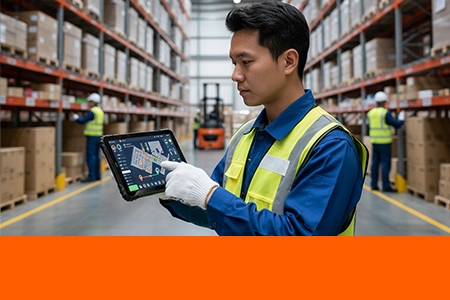
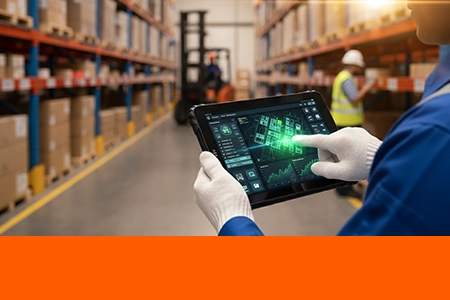
RFID tablets are rugged Android devices equipped with RFID scanning capabilities, designed as all-in-one industrial data capture terminals to capture, read, and process data from RFID tags in real-time. These tablets combine mobility, durability, and advanced connectivity, making them ideal for warehouse, logistics, and industrial environments. They are widely used as part of an RFID tablet solution integrating hardware, software, and backend systems. Explore RFID & Barcode tablet solutions →
Key Benefits of RFID Tablets
Real-time inventory tracking and data capture
Improved operational efficiency and accuracy
Rugged design for harsh warehouse environments (IP67, drop-resistant)
Expandable modules: barcode scanning, battery-backed brackets, and peripheral support
Seamless integration with warehouse management systems (WMS) and ERP platforms
Support for system integration, APIs, and real-time data synchronization with backend platforms
System Architecture and Software Integration
The true value of an RFID tablet solution lies in its ability to integrate seamlessly into existing enterprise ecosystems. TOPICON RFID tablets are designed as integration-ready hardware platforms, enabling smooth data exchange between field operations and customer-managed backend systems.
Enterprise System Integration
TOPICON RFID tablets support integration with WMS, ERP, and fleet management platforms through standardized communication interfaces.
Development Framework Support
API and SDK support enables system integrators and developers to build custom applications on TOPICON RFID tablet hardware.
Cloud-Based Data Synchronization
RFID tablets work with cloud-based backend systems for real-time or near-real-time data sync, with local buffering for offline operation.
Secure Communication Infrastructure
Industry-standard encryption, certificate-based authentication, and VPN compatibility for secure data transfer over 4G/5G and Wi-Fi.
Architecture Components Overview
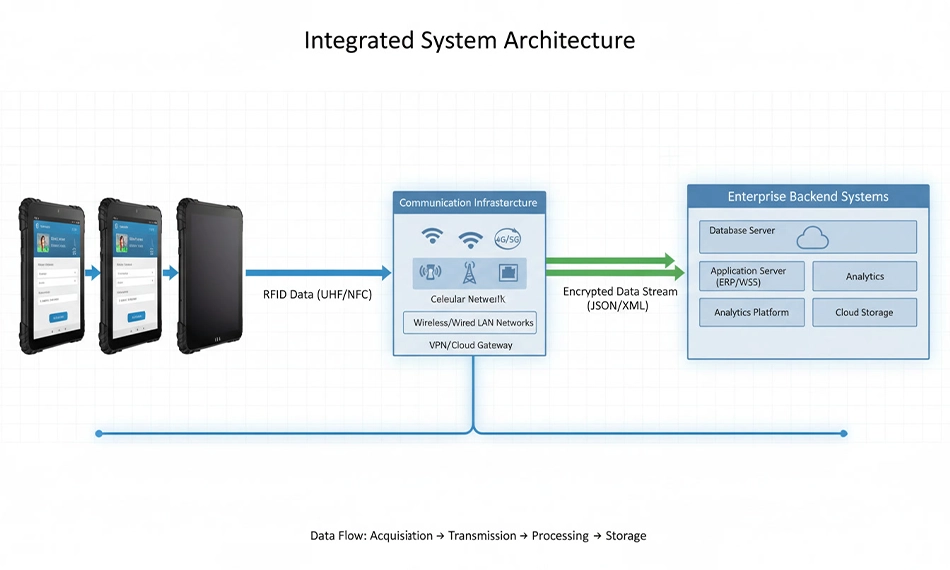
Figure: Integrated system architecture — data flow from RFID tablets to enterprise backend systems
Implementation Considerations
Scalability: Architecture must support deployment from single units to fleets of thousands
Interoperability: Compatibility with legacy systems while enabling migration to modern platforms
Data Governance: Clear policies for data ownership, retention, and regulatory compliance
Performance Optimization: Balancing real-time data requirements with network bandwidth
Disaster Recovery: Redundant systems and data backup strategies
Implementation strategies may vary depending on customer requirements. TOPICON focuses on delivering robust RFID tablet hardware and integration-ready platforms.
RFID Tablet Deployment Scenarios Across Industries
Rugged RFID tablets transform traditional workflows into automated, data-driven processes across warehouse, logistics, manufacturing, and vehicle-mounted operations.
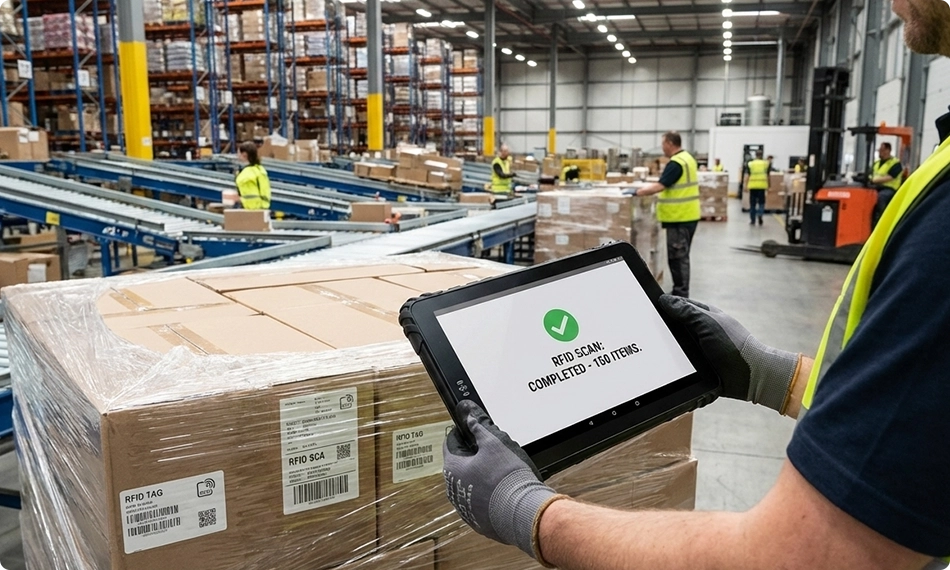
Warehouse & Inventory Management
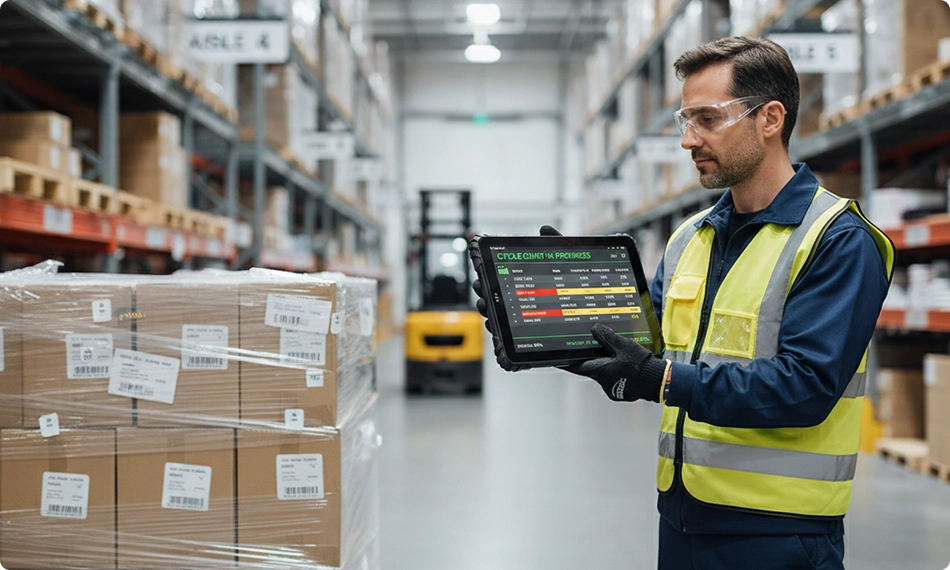
Automated Stock Counting
Bulk scanning of pallets without unpacking — reducing cycle count time by up to 90%.
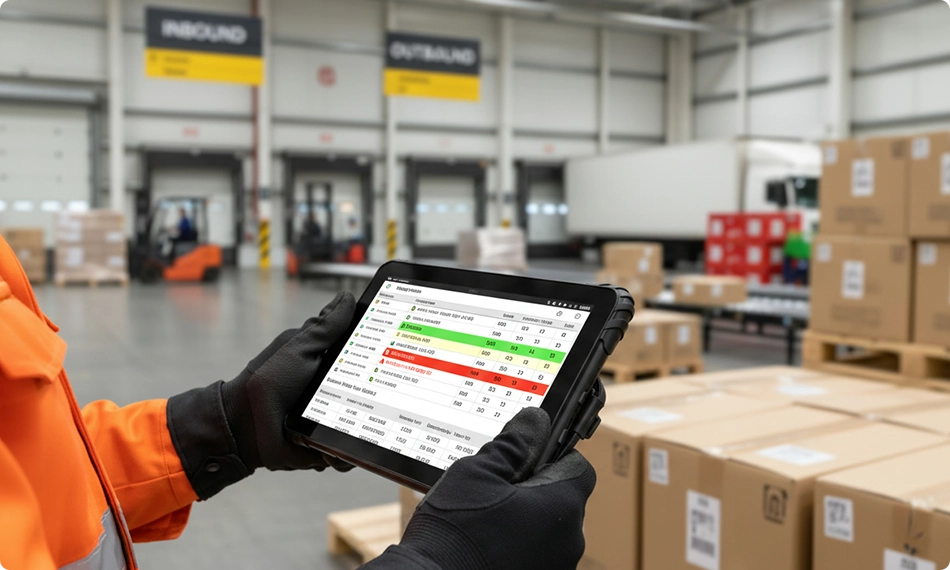
Receiving & Shipping Verification
Instant verification of inbound shipments and outbound loads against manifests.
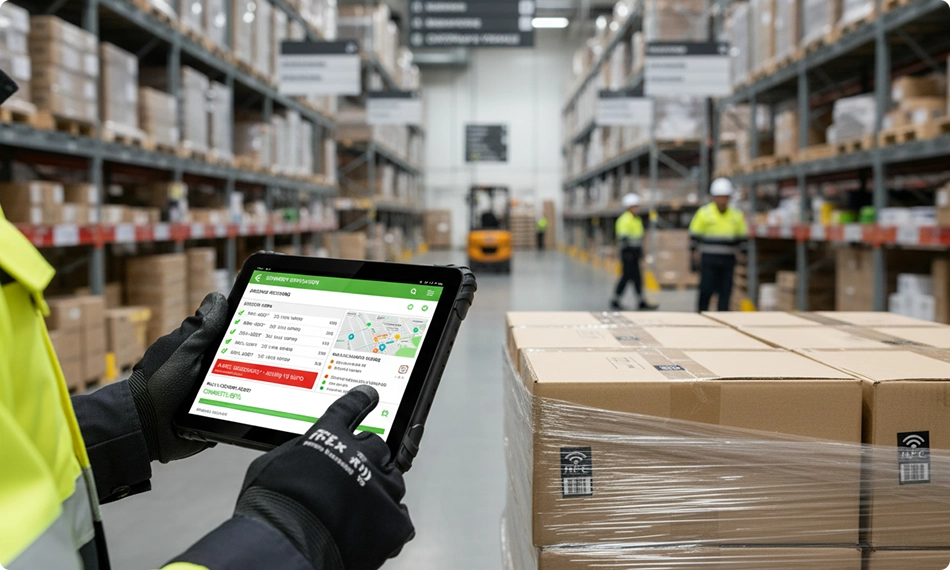
Multi-Location Asset Tracking
Continuous visibility of tools and equipment across multiple storage zones.
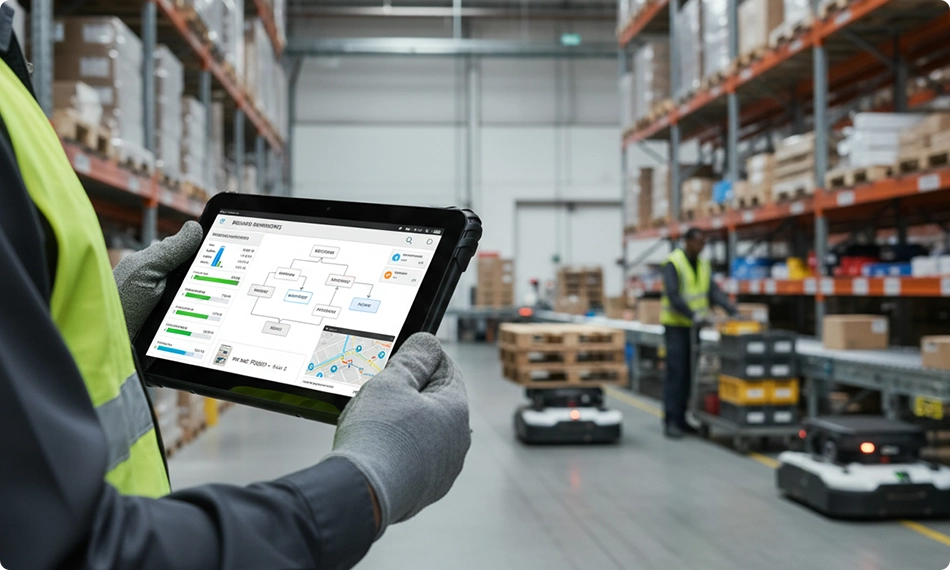
Integrated Workflow Systems
Seamless integration with WMS, AGVs, and picking carts for paperless workflows.
Logistics & Distribution Centers
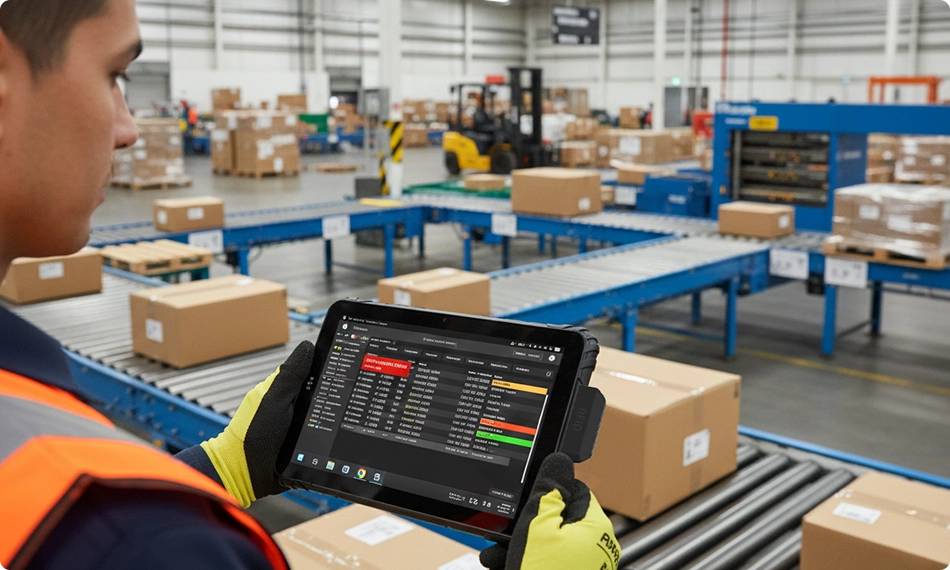
Cross-Dock Operations
Real-time identification and sorting of tagged parcels during cross-docking.
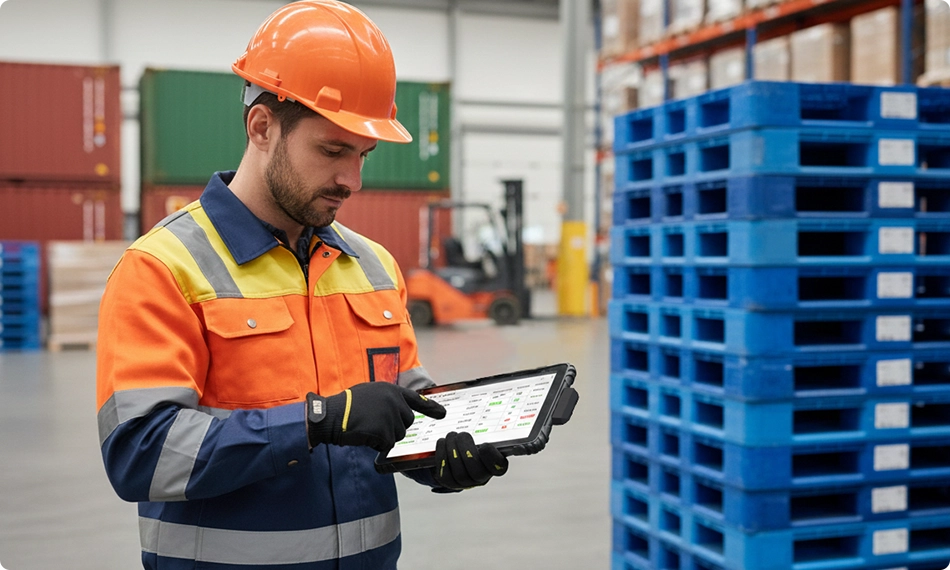
Container & Pallet Management
Tracking returnable transport items and reusable pallets throughout supply chains.
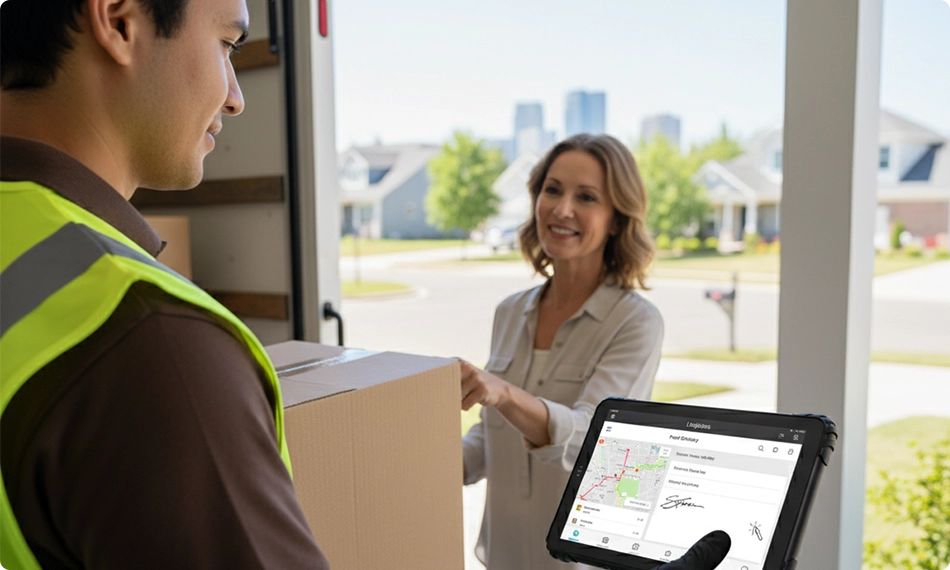
Last-Mile Delivery Verification
Driver-operated tablets for verifying deliveries and capturing proof of delivery.
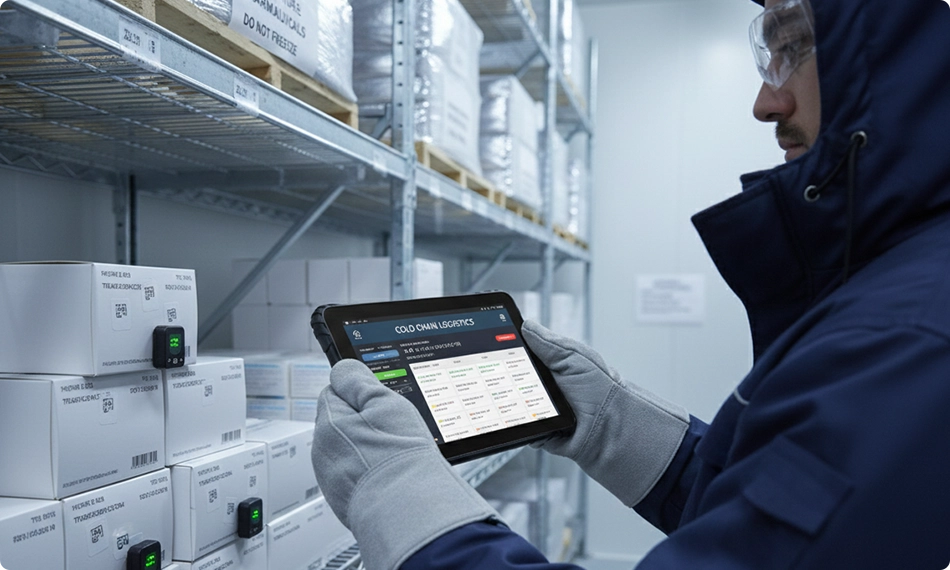
Temperature-Sensitive Logistics
Monitoring temperature-controlled shipments in pharmaceutical and food cold chains.
Manufacturing & Asset Tracking
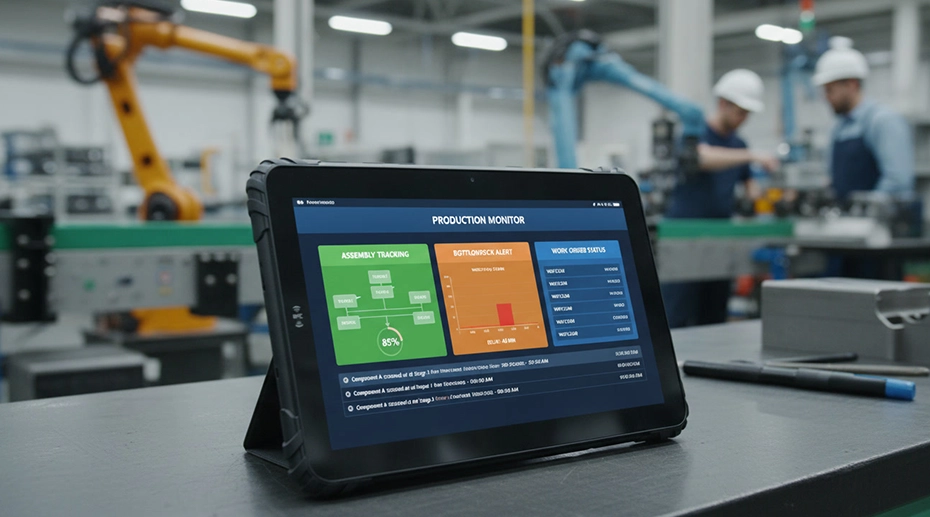
Work-in-Progress Tracking
Real-time visibility of components through production stages.
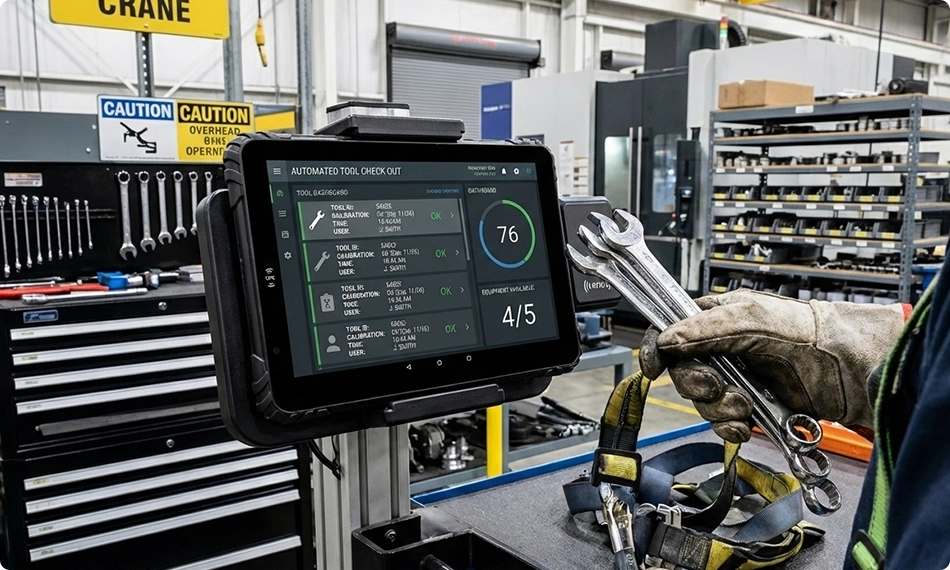
Tool & Equipment Management
Automated check-in/check-out of calibrated tools and fixtures.
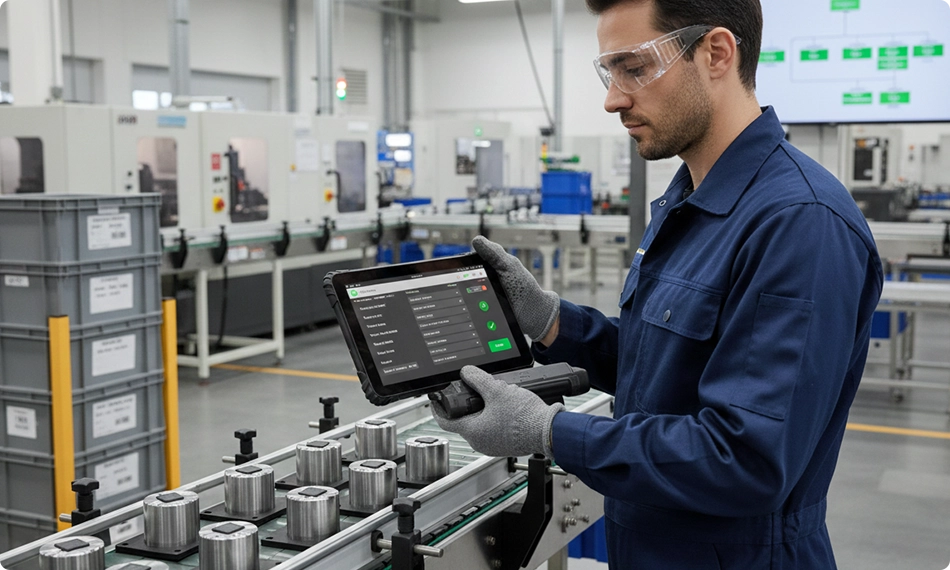
Quality Control & Traceability
Linking RFID-tagged products with quality records for full traceability.
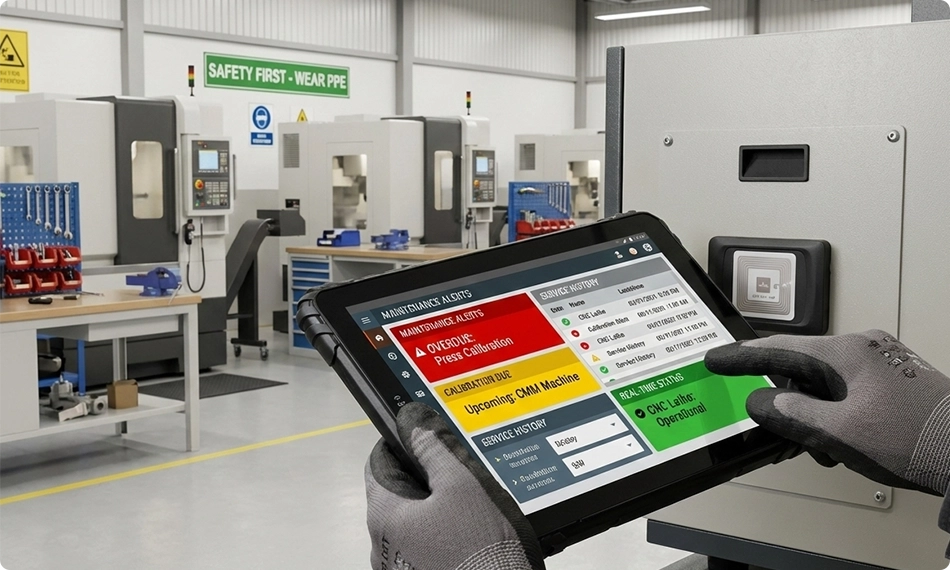
Maintenance & Calibration Scheduling
Automated alerts for scheduled maintenance and calibration due dates.
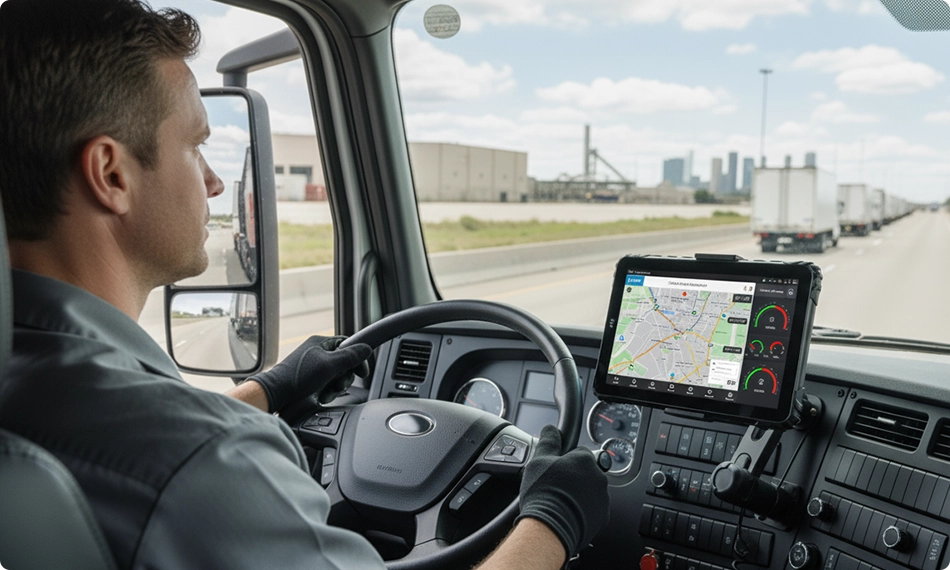
Vehicle-Mounted & Mobile Operations
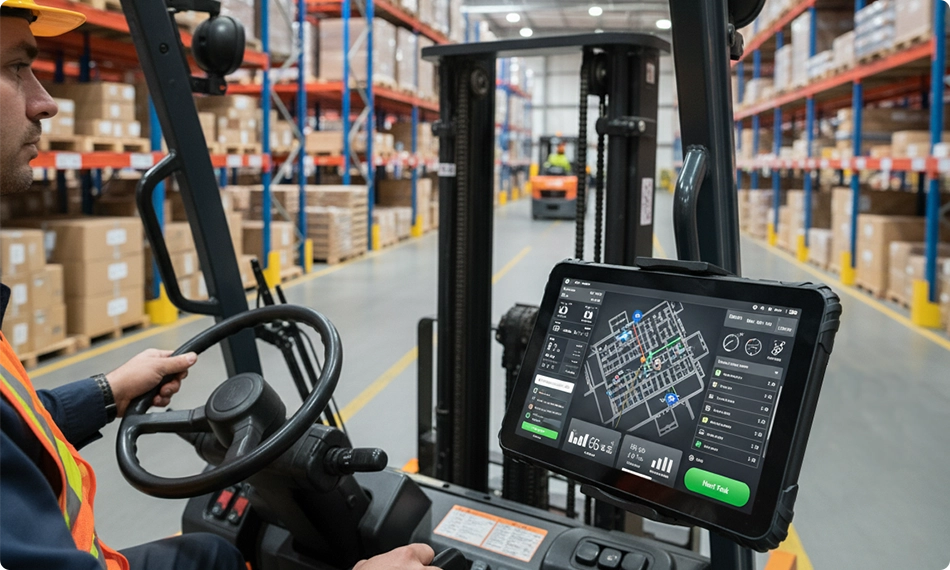
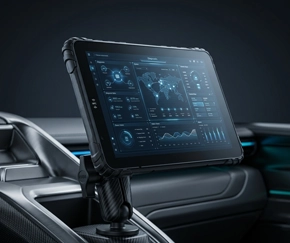
Forklift-Mounted Inventory Control
Dock-mounted tablets for real-time put-away and picking verification.
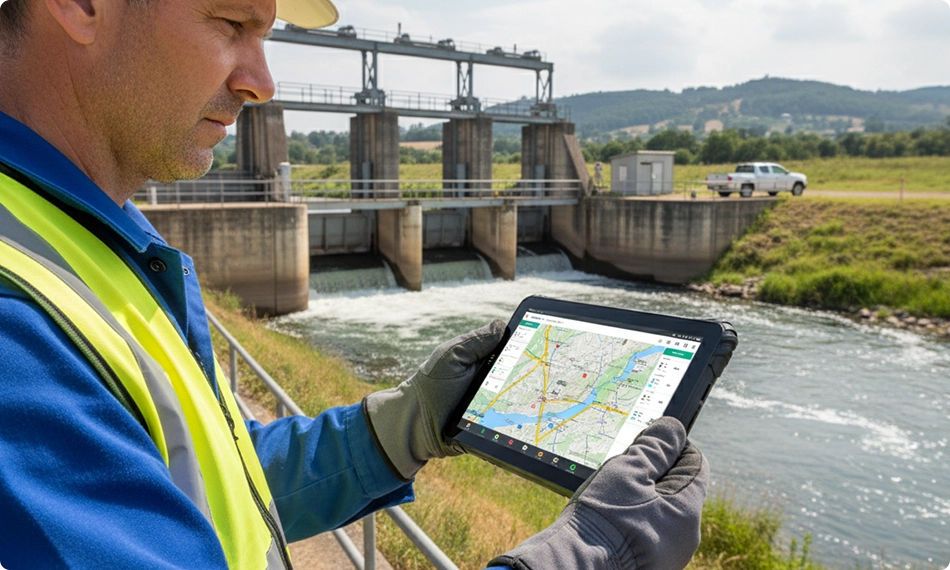
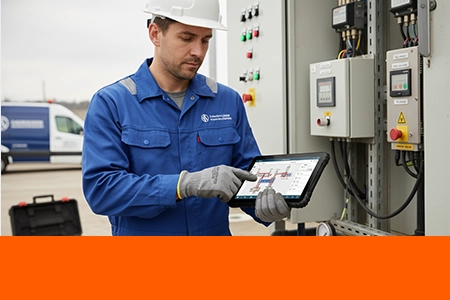
Field Service & Maintenance
Mobile technicians identifying tagged equipment and logging repairs on-site.
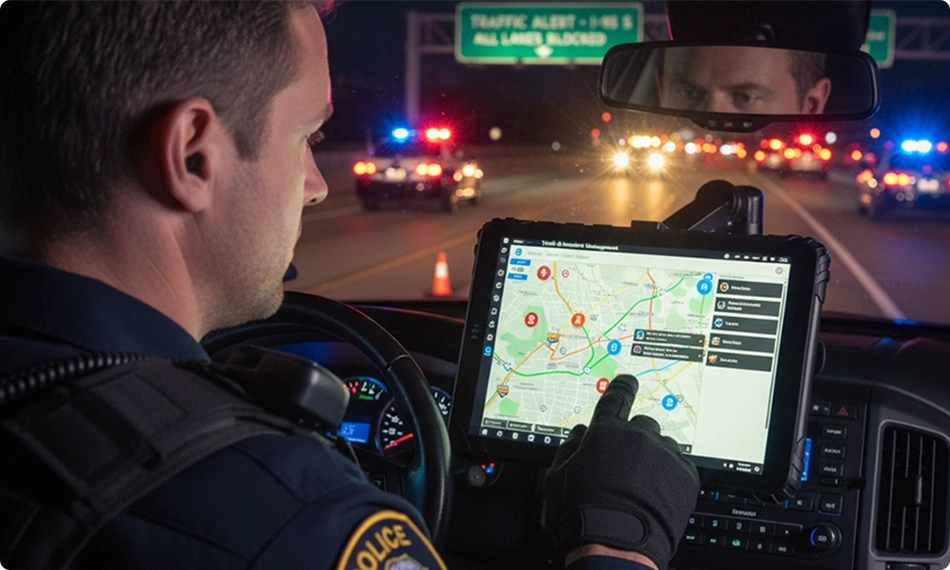
Public Safety & Emergency Response
Tracking tagged equipment and managing evidence chains of custody.
RFID Tablet Solution Components
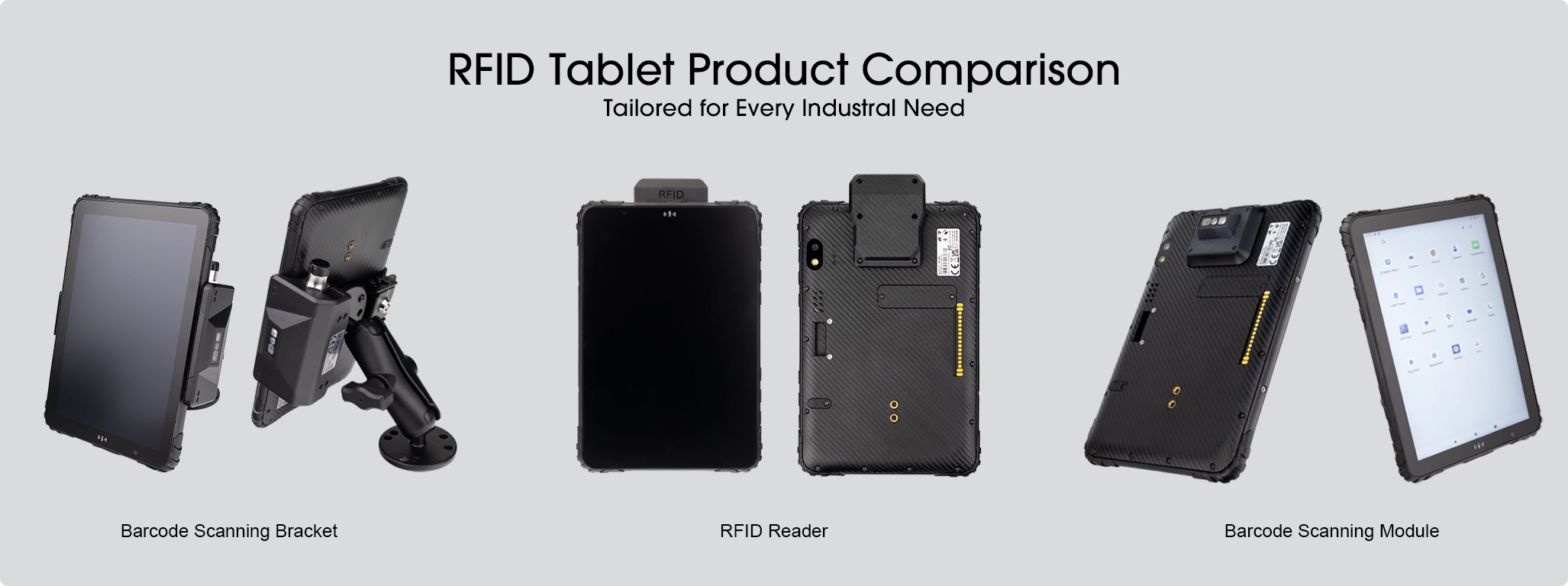
Our RFID tablet solutions include:
All modules are available for OEM/ODM customization. Explore RFID & Barcode tablet solutions →
How to Choose the Right RFID Tablet Solution
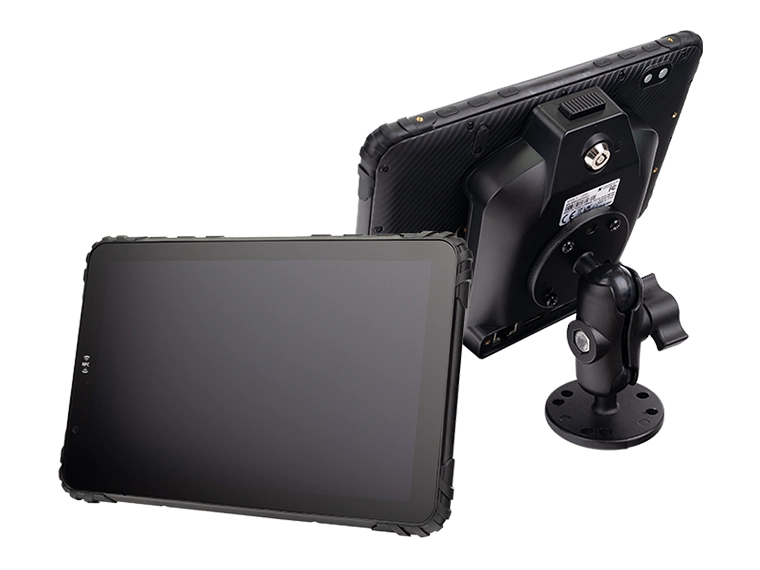
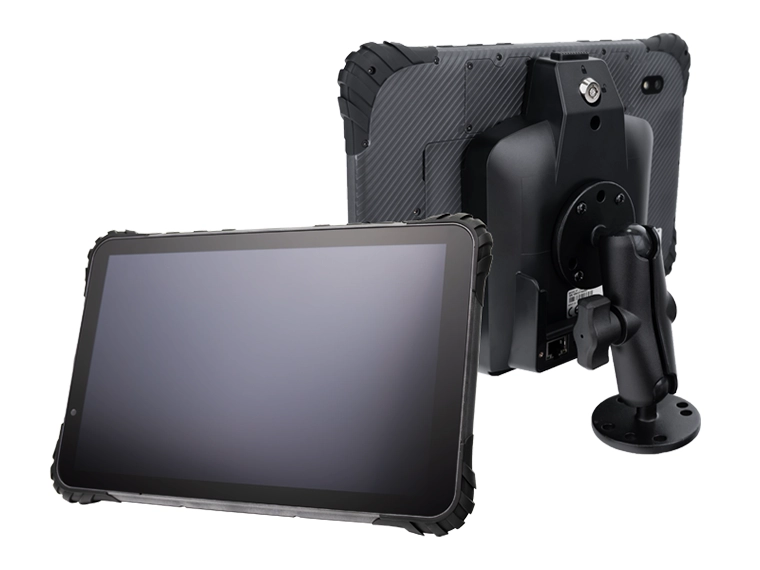
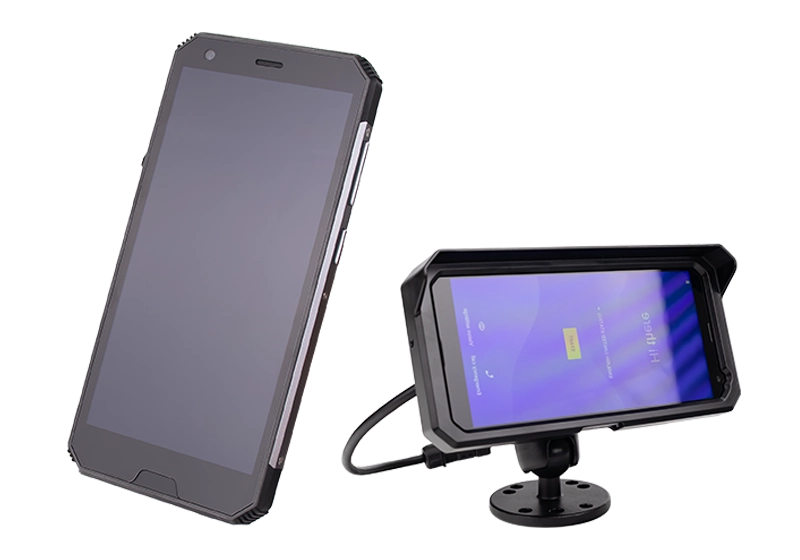
Recommended Rugged RFID Tablet Models
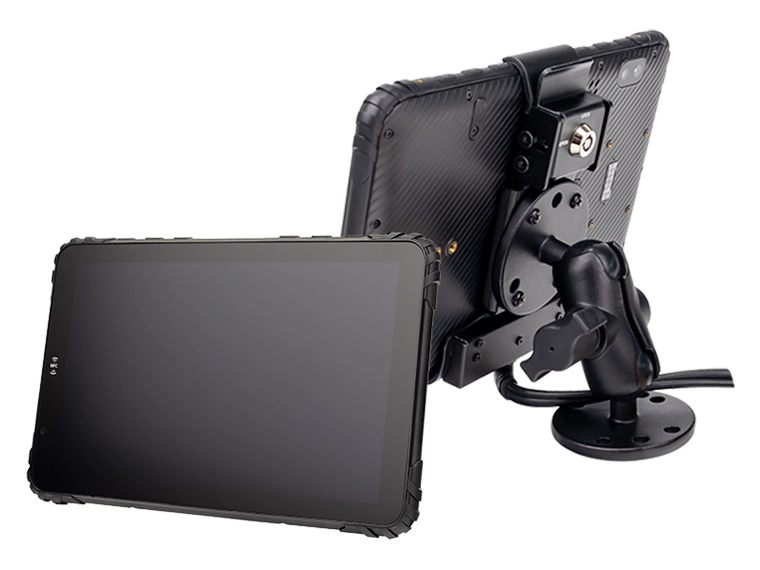
These models are designed to support scalable RFID tablet solutions across different deployment scenarios.
FAQ
What is an RFID tablet used for?
RFID tablets scan, read, and process RFID tags in warehouses, logistics centers, and industrial environments for inventory tracking and asset management.
Can RFID tablets also scan barcodes?
Yes, optional barcode scanning modules are available for combined RFID + barcode operations.
Are RFID tablets durable enough for warehouse use?
TOPICON RFID tablets are rugged, meeting IP67 and MIL-STD-810G/H standards (depending on model), designed to withstand dust, water, and drops.
Get Your Complete RFID Tablet Solution Today
Contact TOPICON to explore rugged RFID tablet options for your warehouse and inventory management needs.
This RFID tablet solution is widely deployed in warehouse environments, including distribution centers, fulfillment hubs, and cold storage facilities.
Related RFID & Industrial Hardware Resources