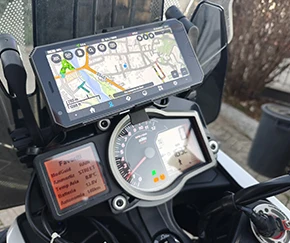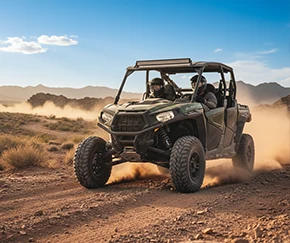
Rugged Tablets Revolutionizing Off-Road Motorcycle Adventures: Navigation, Safety and Performance Monitoring
2025-09-02
Rugged Tablets Revolutionizing Off-Road Motorcycle Adventures: Navigation, Safety and Performance Monitoring
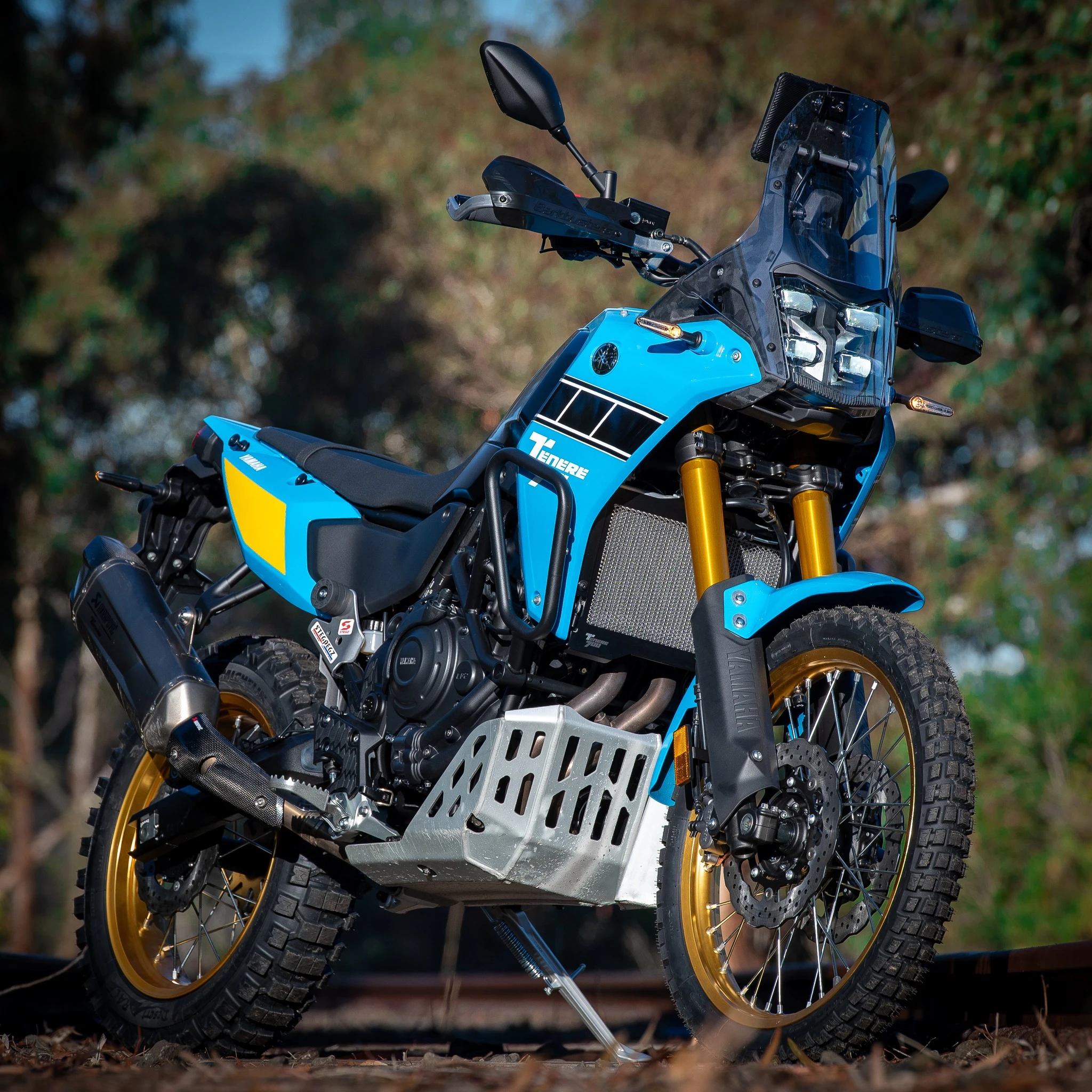
Executive Summary: From Trail Maps to Digital Command Centers
The world of off-road motorcycling is undergoing a digital transformation, with rugged tablets emerging as the ultimate navigation and safety companion for adventure riders, enduro competitors, and backcountry explorers.
No longer limited to paper maps and basic GPS units, today's off-road enthusiasts are deploying purpose-built rugged tablets for motorcycle navigation that survive crashes, torrential rain, mud immersion, and extreme vibration.
Market Growth: Motorcycle-specific rugged computing solutions projected to grow at 12.3% CAGR through 2027.
⚠️ B2B EXCLUSIVE: TOPICON rugged tablets are available exclusively to enterprise customers, system integrators, and OEM partners. We do not sell directly to individual consumers.
Technical Requirements: What Makes a Tablet Truly "Off-Road Ready"
Vibration and Shock Resistance: Beyond Military Standards
Motorcycle-Specific Durability Challenges:
High-Frequency Vibration
Constant engine vibration at 100-400Hz range
Impact Shock
Drops from handlebar height onto rocky terrain
Resonance Issues
Specific frequencies that damage components
Thermal Cycling
Rapid temperature changes from desert to mountain
Environmental Protection for Extreme Conditions
| Protection Level | Specification | Application Scenario |
|---|---|---|
| Water Resistance | Minimum IP67 Rating | River crossings, heavy rain |
| Temperature Range | -20°C to 60°C operational | Desert to mountain transitions |
| Display Visibility | 1000+ nits anti-reflective | Direct sunlight readability |
| Chemical Resistance | Fuel and oil protection | Maintenance situations |
Navigation Revolution: Beyond Basic GPS
Case Study: Baja 1000 Navigation Implementation
Navigation Error Reduction
From 50-100m to 3-5m accuracy
Course Deviation Prevention
92% reduction in wrong turns
Emergency Response Time
Improved from 45+ to under 15 minutes
Team Coordination
67% improvement in checkpoint timing
Real-Time Terrain Analysis and Route Optimization
Slope Angle Detection
Automatic identification of dangerous inclines
Surface Composition Analysis
Distinguishing between sand, rock, and mud
Obstacle Recognition
Alerting riders to rocks and water crossings
Alternative Route Generation
Real-time rerouting based on conditions
Safety and Emergency Systems Integration
| Safety Feature | Technology Used | Benefit |
|---|---|---|
| Crash Detection | Multi-axis accelerometer | Automatic emergency notification |
| Fatigue Monitoring | Ride duration + biometric sensors | Intelligent break recommendations |
| Weather Alert | Real-time satellite weather data | Storm proximity warnings |
| Group Safety | Mesh networking + GPS | Real-time position tracking |
Performance Monitoring and Analytics
Real-Time Engine Monitoring
RPM, temperature, fuel consumption
Maintenance Alerts
Predictive service notifications
Performance Analytics
Horsepower, torque calculations
Fault Code Management
Trailside diagnostics
PROFESSIONAL GRADE
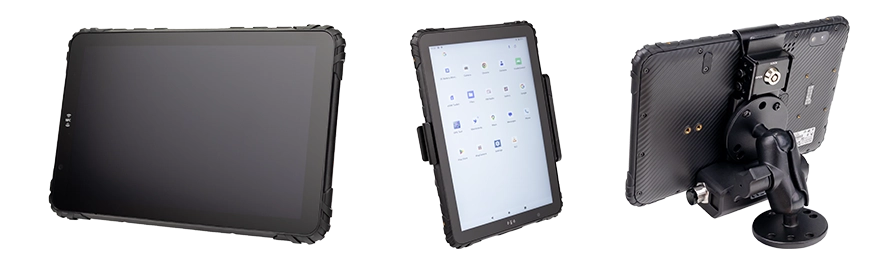
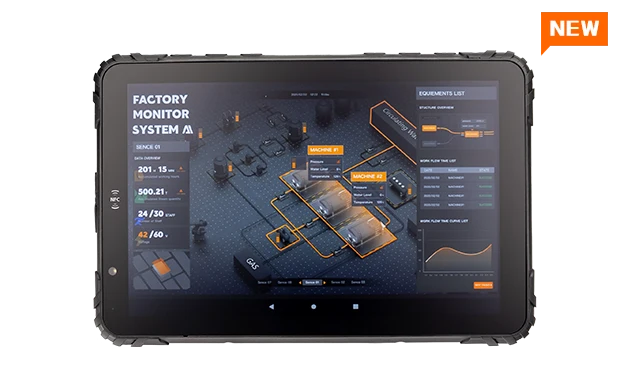
MDT865: Engineered for Off-Road Motorcycle Excellence
1000
NITS DISPLAY
IP67
WATERPROOF
MIL-STD
810G CERTIFIED
8"
DISPLAY
Technical Specifications
DISPLAY
8-inch Anti-Glare
1000 nits brightness
PROCESSOR
Mediatek Octa-core
2GHz + ARM Mali G52 GPU
MEMORY
4GB DDR4 RAM
64GB eMMC storage
DURABILITY
IP67 Certified
MIL-STD-810G compliant
CONNECTIVITY
WiFi / BT / NFC / GPS
External GPS antenna
DESIGN
Integrated Hand Strap
Lightweight & portable
Off-Road Motorcycle Advantages
Superior Sunlight Visibility
1000 nits anti-glare display ensures clear readability in direct sunlight.
Extreme Environment Protection
IP67 waterproof and MIL-STD-810G certified for harsh conditions.
Glove-Friendly Operation
Optimized touchscreen for reliable operation with motorcycle gloves.
Enhanced GPS Accuracy
High-sensitivity GPS with external antenna support for remote areas.
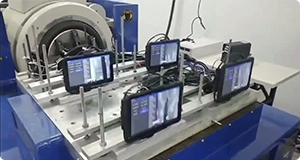
Vibration Resistance
Withstands constant motorcycle vibration
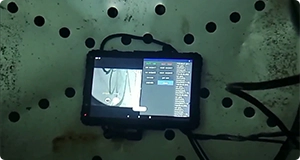
IP67 Waterproof
Complete protection against rain and immersion
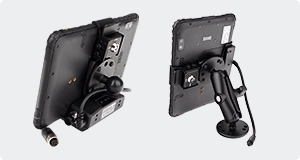
Vehicle Integration
2-in-1 vehicle/desktop cradle system
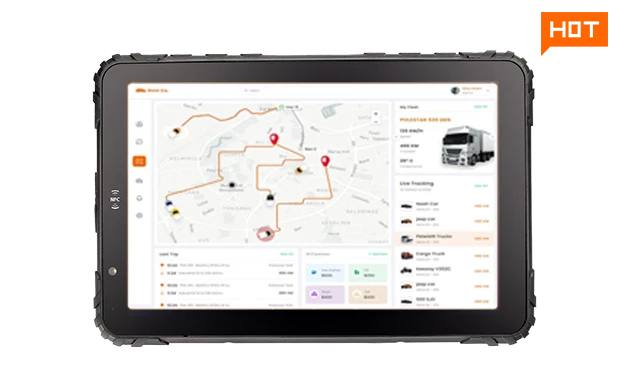
The MDT865 rugged tablet is engineered for off-road motorcycle adventures, delivering durability and performance in extreme environments.
Categories
Recent articles
Vehicle-Mounted Mobile Data Terminal Trends 2025 | 5G MDT for Fleets | TOPICON
ELD Compliance: Why Rugged Tablets Matter for Fleet Management
Vehicle Mount Terminal Selection Guide – How to Choose the Right In-Vehicle Computing Platform
Mining Vehicle Computer Guide – Rugged Computing for Surface & Underground Operations
RS232 in Fleet Telematics – 5 Applications Where Serial Still Matters | TOPICON
Fixed Vehicle Terminals vs Docked Tablets – An Engineering Decision Guide | TOPICON
How System Integrators Build Recurring Revenue with White-Label Fleet Hardware | TOPICON
How to Push a Firmware Update to 500 Fleet Tablets Without Touching Any of Them