What Is a Rugged Android Tablet?
A purpose-built mobile computing platform engineered for industrial, vehicle-mounted, and outdoor environments — where standard consumer tablets fail within days.
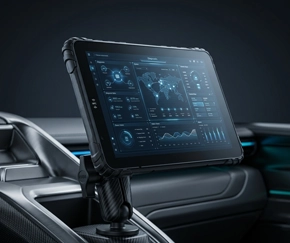
A rugged Android tablet is a purpose-built mobile computing device designed to operate reliably in industrial, vehicle-mounted, and outdoor environments where standard consumer tablets often fail. Unlike consumer-grade devices, rugged Android tablets are engineered to withstand shock, vibration, dust, water exposure, and extreme temperatures, while offering extended hardware interfaces and long-term system support for professional integration.
Article Navigation
What Makes an Android Tablet "Rugged"?
A rugged Android tablet goes far beyond protective casing. It is designed as a system component, not a consumer gadget.
Key characteristics include:
Rugged Android Tablet vs Consumer Tablet
This comparison highlights the fundamental differences between professional rugged tablets and consumer devices.
Common Use Cases for Rugged Android Tablets
Rugged Android tablets are widely used across industries that require continuous operation and system integration:

Key Standards You Should Know
IP Ratings
IP65: Dust-tight, protected against water jets
IP67: Dust-tight, protected against temporary immersion
MIL-STD-810
Drop resistance
Shock and vibration tolerance
Thermal and environmental stress testing
Hardware Interfaces & System Integration
One major advantage of rugged Android tablets is hardware-level connectivity.
Typical interfaces include:
These interfaces enable deep system integration, allowing rugged tablets to function as core components in complex industrial and vehicle systems.
How to Choose the Right Rugged Android Tablet
When evaluating a rugged Android tablet, consider these critical factors:
Conclusion
A rugged Android tablet is not simply a reinforced consumer device — it is a professional-grade computing platform designed for harsh environments and system-level integration. For industrial projects, fleet systems, and vehicle-mounted applications, choosing the right rugged Android tablet directly impacts reliability, scalability, and long-term operational success.
For OEMs and system integrators, rugged Android tablets serve as a configurable hardware platform with custom I/O, private labeling, and pre-loaded software options. Explore OEM customization options →
Related Android & Rugged Tablet Resources