Mobile Data Terminal (MDT) Buyer's Guide – How to Choose Rugged In-Vehicle Computers for US Fleets
A complete guide for US fleet operators, system integrators, and public safety agencies. Covers MDT types, key selection criteria, CAN Bus integration, ELD compliance considerations, and OEM customization options.
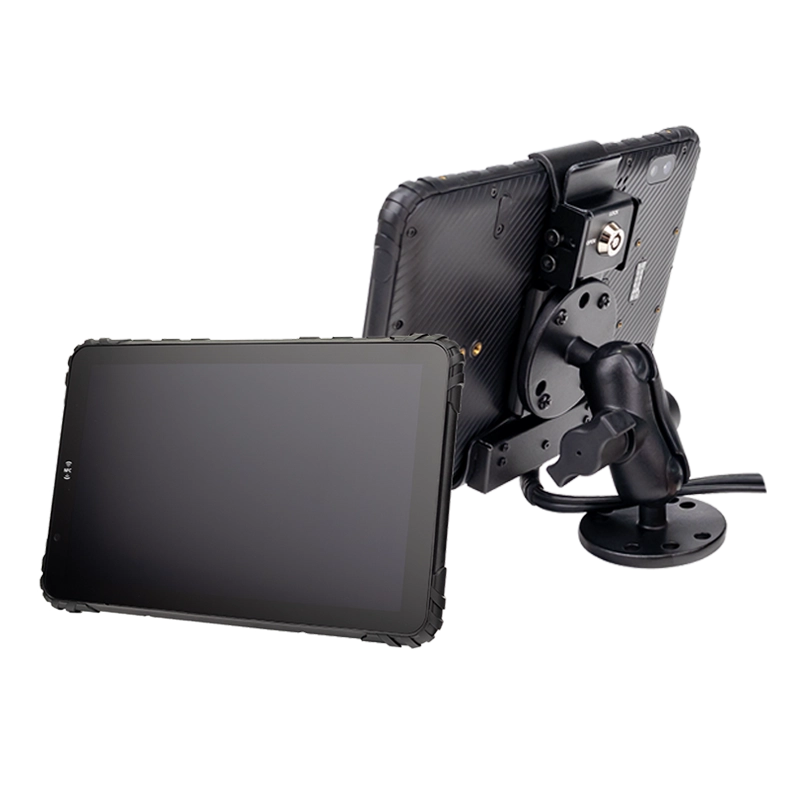
Table of Contents
1. What Is a Mobile Data Terminal (MDT) and Why US Fleets Need One
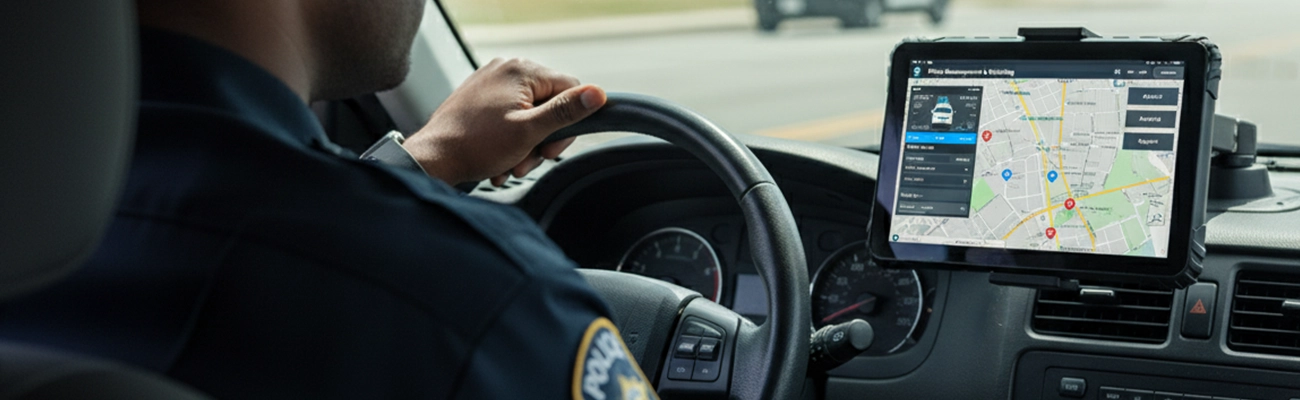
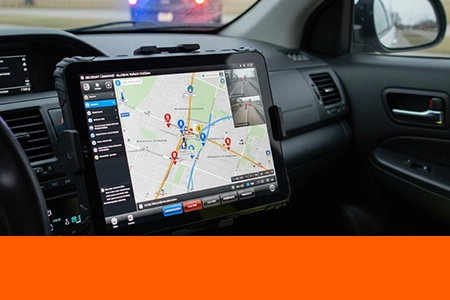
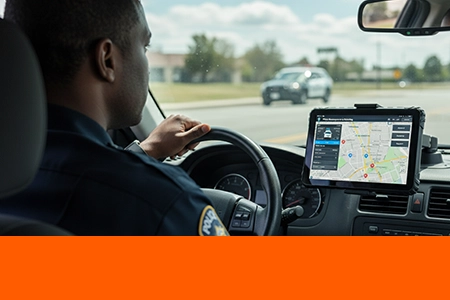
A Mobile Data Terminal (MDT) is a rugged in-vehicle computer installed in fleet vehicles, police cars, fire trucks, buses, and commercial trucks. It serves as the primary interface for dispatch communication, GPS navigation, electronic logging, and real-time data access. For fleet operators sourcing vehicle-grade data terminals, the MDT form factor delivers the vehicle power integration and ruggedness that compliance-critical applications demand.
In the United States, MDT deployments are driven by several operational requirements: FMCSA electronic logging compliance, public safety dispatch systems, and fleet telematics platforms. For deployments requiring ELD-ready tablets, the MDT provides the stable hardware platform needed to run certified logging applications without interruption.
Unlike consumer tablets, a dedicated in-vehicle computer is engineered for continuous operation under vehicle power, with specialized I/O for CAN Bus diagnostics, external antennas, and secure vehicle mounting — features that consumer devices simply cannot replicate in mission-critical fleet operations.
Key takeaway: An MDT is not just a tablet in a vehicle. It is a purpose-built in-vehicle computer that integrates with the vehicle's power system, data network, and mounting infrastructure — designed for 24/7 fleet operation, not occasional use.
2. Types of Mobile Data Terminals
Choose the right form factor for your fleet's operational workflow
Fixed-Mount MDT
Permanent Vehicle Installation
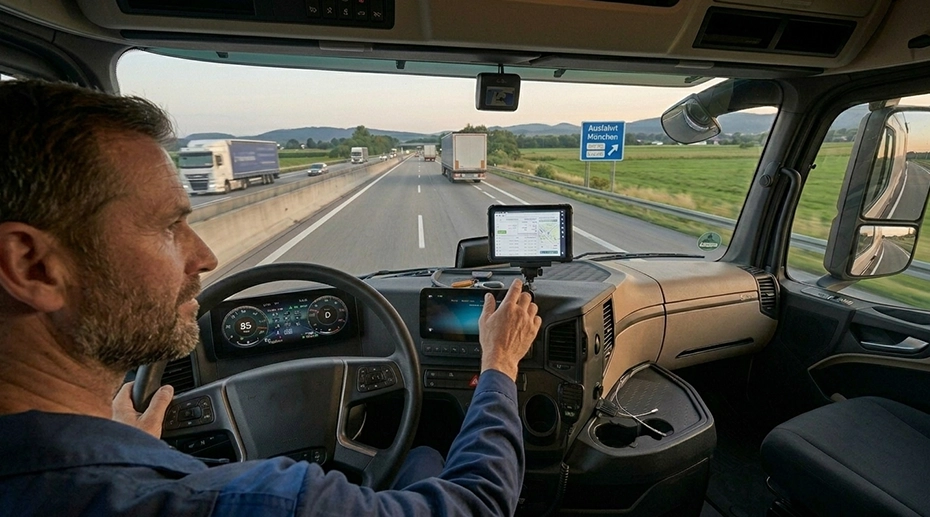
Hard-wired to vehicle power with ignition sensing. Ideal for police cruisers, fire apparatus, buses, and heavy-duty trucks. A permanently installed vehicle computing station ensures zero movement and continuous uptime.
Dock-and-Go MDT
Vehicle-Docked but Removable
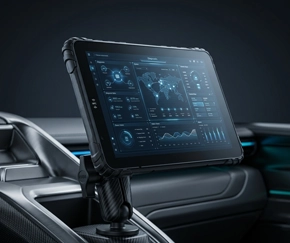
Docks securely in the vehicle but detaches in seconds for off-vehicle tasks. For delivery driver tablets, the dock-and-go form factor enables seamless transitions between in-cab navigation and curbside proof-of-delivery.
Handheld MDT
Portable, Battery-Powered
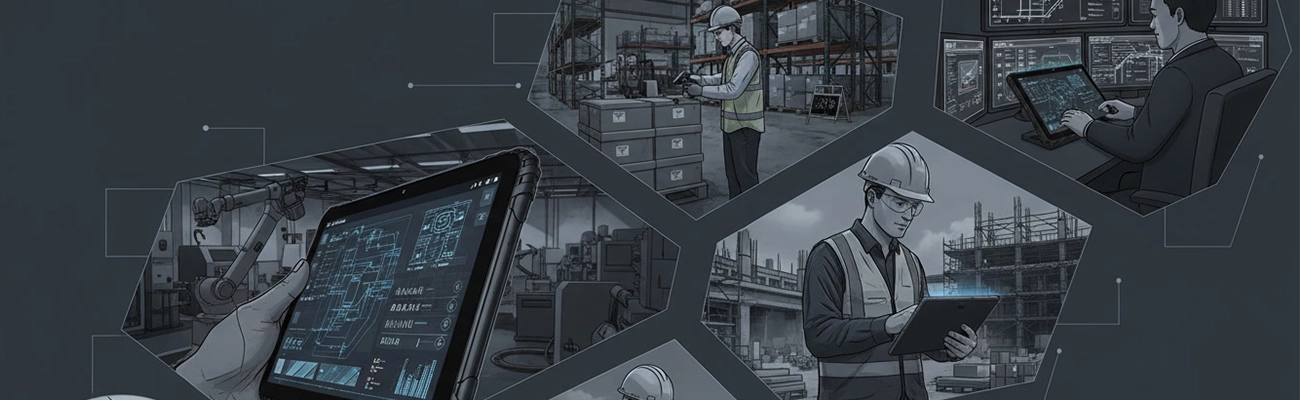
Compact and ultra-rugged for field inspectors, utility workers, and warehouse operators who need mobility.
3. Key Features to Look For in an MDT
1. Vehicle Power Integration
9-36V wide voltage input with ignition sensing. Powers on/off with the engine.

2. Dual CAN Bus / J1939
Hardware-level CAN Bus for engine diagnostics, fuel monitoring, and ELD data — making the MDT a true OBD-connected fleet computing hub.

3. Sunlight-Readable Display
1000-nit brightness minimum. Essential for in-cab visibility during daytime patrols.

4. Rugged Certifications
IP67 waterproof, MIL-STD-810G/H certified for vibration, shock, and temperature extremes.

5. Reliable Connectivity
4G/5G LTE, WiFi, GPS/GNSS, and Bluetooth for continuous communication.
6. MDM & Lifecycle
Android Enterprise with MDM support. 5+ year lifecycle for stable long-term deployment.
4. MDT vs Consumer Tablet vs Ruggedized Smartphone
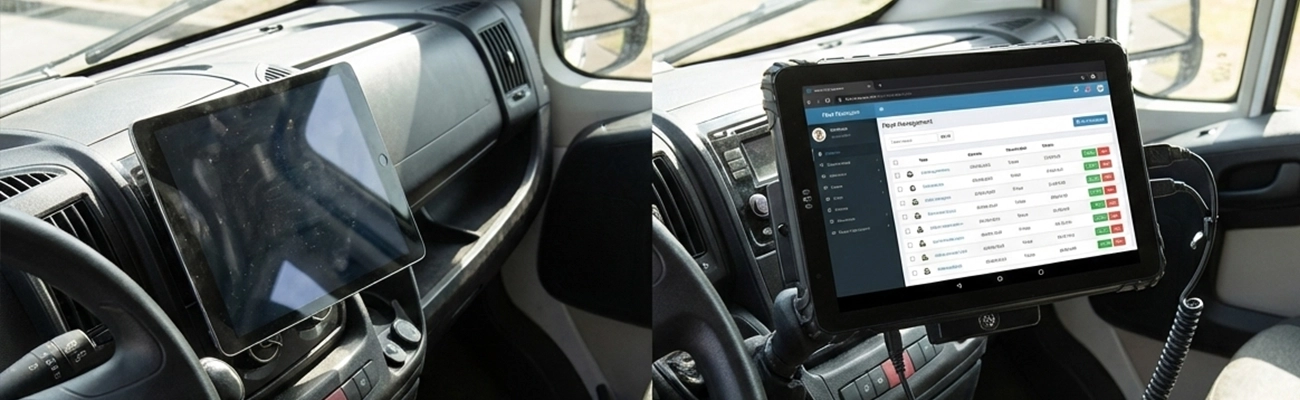
Why this matters: Ruggedized smartphones offer excellent portability for field teams, but they lack the vehicle power integration, CAN Bus connectivity, and large sunlight-readable displays required for in-vehicle fleet computing. For fleets needing vehicle mount tablets with secure docking and vehicle-grade power, the MDT is the only form factor that meets all operational requirements simultaneously.
5. The Real Risk: Your MDT Is the Single Point of Failure
In digital fleet operations, there's no paper backup. If your MDT fails during a shift, the entire workflow stops.

Roadside Inspections
A frozen screen during an FMCSA inspection means failure to produce HOS records — triggering fines and out-of-service orders.
Dispatch Goes Dark
Real-time dispatch updates stop. Multi-unit coordination breaks down instantly.

Vehicle Data Goes Silent
CAN Bus diagnostics stop. Engine faults go undetected. Preventive maintenance becomes guesswork.
Why it matters: A consumer device that fails during a shift costs far more than a rugged MDT — in fines, missed deliveries, and compromised officer safety. The upfront price difference disappears the first time you avoid a single critical failure. Deploy rugged fleet management hardware to eliminate this risk across your entire operation.
6. OEM vs Off-the-Shelf – Which One for Your MDT Project?
Off-the-Shelf MDT
Fixed specifications — take it or leave it
Brand tax from tier-1 manufacturers
Limited I/O customization
Standard OS and firmware
Shorter lifecycle, forced upgrades
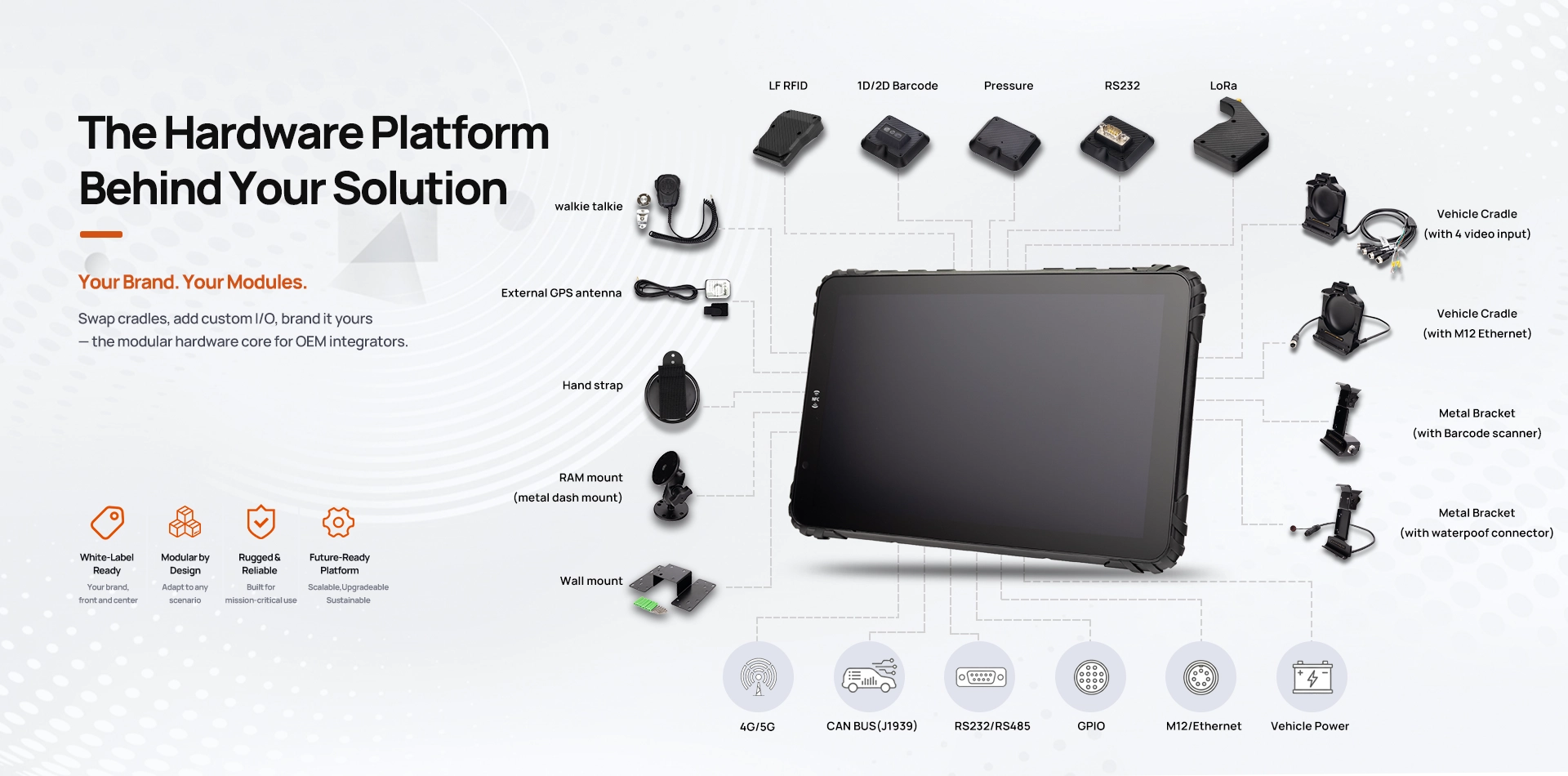
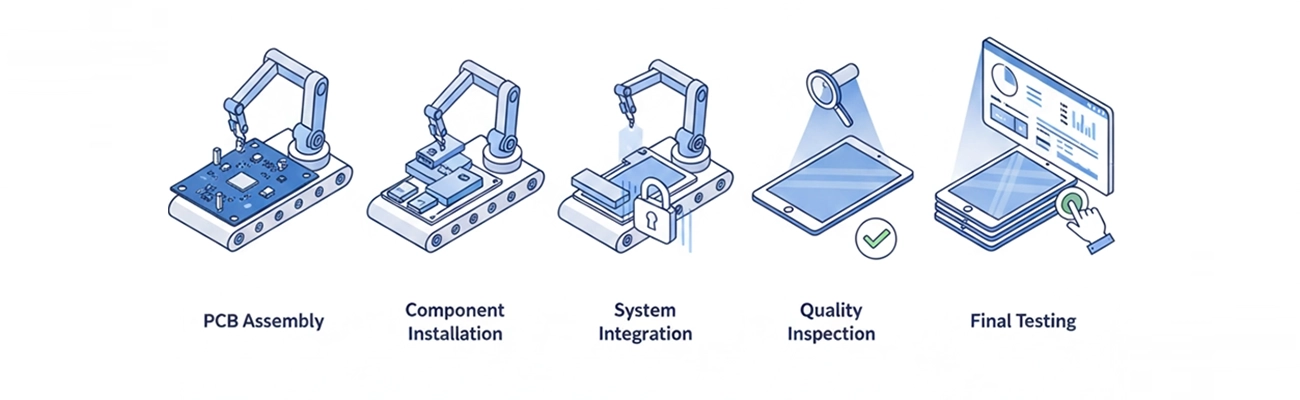
OEM MDT from TOPICON
Custom I/O — CAN Bus, RS232, GPIO, M12
Your branding — white-label, private label
Pre-loaded software & MDM configuration
Flexible MOQ for system integrators
5+ year lifecycle with stable supply
7. Frequently Asked Questions
What is the difference between an MDT and a regular tablet?
An MDT is a rugged in-vehicle computer with vehicle power integration, CAN Bus connectivity, secure docking, and sunlight-readable display — features not found in consumer tablets.
Do I need FMCSA certification for MDT hardware?
No. FMCSA certification applies to the ELD software and the ECM connection, not the tablet hardware. The MDT serves as the hardware platform that runs certified ELD applications.
Can an MDT integrate with Samsara, Geotab, and other US telematics platforms?
Yes. TOPICON MDTs run Android OS and are pre-tested with major US telematics platforms. For fleet operators deploying fleet management tablets, TOPICON MDTs provide seamless compatibility with Samsara, Geotab, Motive, and other leading platforms.
What is the typical lifecycle of a rugged MDT?
TOPICON MDTs are designed for 5+ year lifecycles with stable hardware supply and Android OS updates — avoiding the forced obsolescence common with consumer devices.
Can I get a white-label MDT with our own branding and custom I/O?
Yes. TOPICON provides full white-label customization — your logo, your firmware, your I/O configuration. Explore white-label rugged tablet solutions →
Sourcing MDT Hardware for Your Next Fleet Project?
TOPICON provides OEM-ready rugged terminals with CAN Bus, 4G/5G, and full Android customization — built for US fleet deployments.