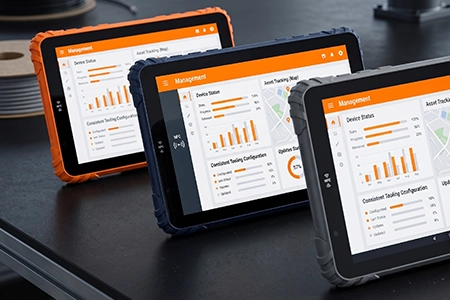
PTCRB & FCC Certification: Why They Are Critical for Rugged Tablets Entering Global Markets
For rugged tablets and industrial devices, hardware performance alone is not enough. Without proper certifications, your product cannot legally enter key markets. Starting with a pre‑certified OEM hardware platform ensures your device meets regulatory requirements from day one.
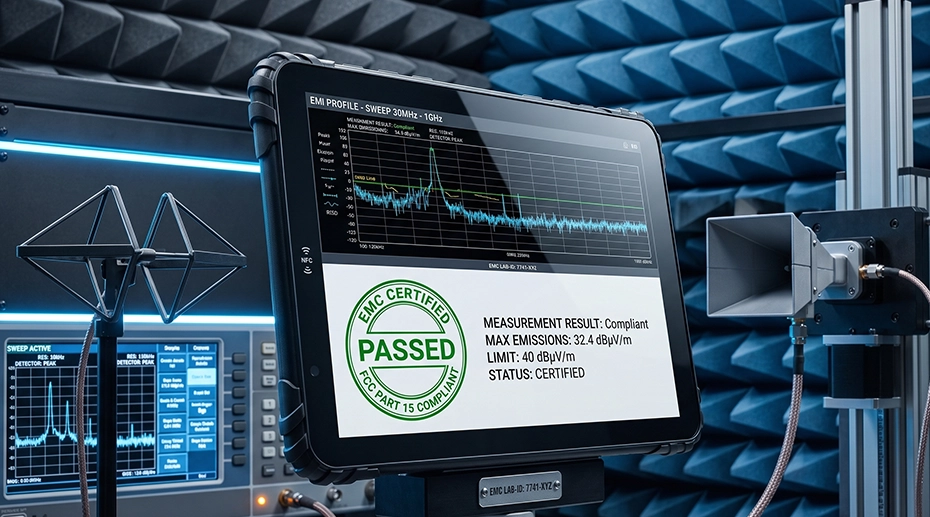
PTCRB and FCC certifications are not optional — they are the gateway to commercialization.
Table of Contents
1. Why Certification Is the First Barrier to Market Entry
For rugged tablets targeting North American and global markets, PTCRB and FCC certifications are not just technical checkboxes — they are business requirements that directly impact market access. Without these, a fleet‑ready device for commercial deployment cannot be sold or operated legally in the United States.
Cannot legally enter North American markets
Cannot connect to carrier networks (AT&T, T‑Mobile, etc.)
Cannot be procured by fleet and enterprise customers
Cannot pass POC for government and large enterprise projects
OEM perspective: Certification is not a technical milestone — it is a business requirement.
2. What Is FCC Certification?
FCC (Federal Communications Commission) certification is a mandatory regulatory requirement for any device that emits radio frequency energy and is sold or imported into the United States. An in‑vehicle computing platform with FCC clearance can be deployed immediately without customs delays.



Without FCC certification, devices cannot be legally sold or imported into the United States.
3. What Is PTCRB Certification?
PTCRB (PCS Type Certification Review Board) certification ensures that cellular devices can reliably connect to North American carrier networks, including AT&T, T‑Mobile, and other major operators. For fleet operators deploying a vehicle‑grade mobile data terminal, PTCRB certification guarantees uninterrupted cellular connectivity.
PTCRB certification is required for devices to operate on AT&T, T‑Mobile, and other PTCRB‑member carrier networks in North America.
FCC ensures your device is legal — PTCRB ensures your device actually works on carrier networks.
4. The Real Risks of Skipping Certification
Many OEM projects fail not because of hardware design — but because certification was not planned early. Start your project with certification in mind →
5. Why Certification Must Be Considered at the Hardware Design Stage
Certification is not a final step — it is built into the product from day one.
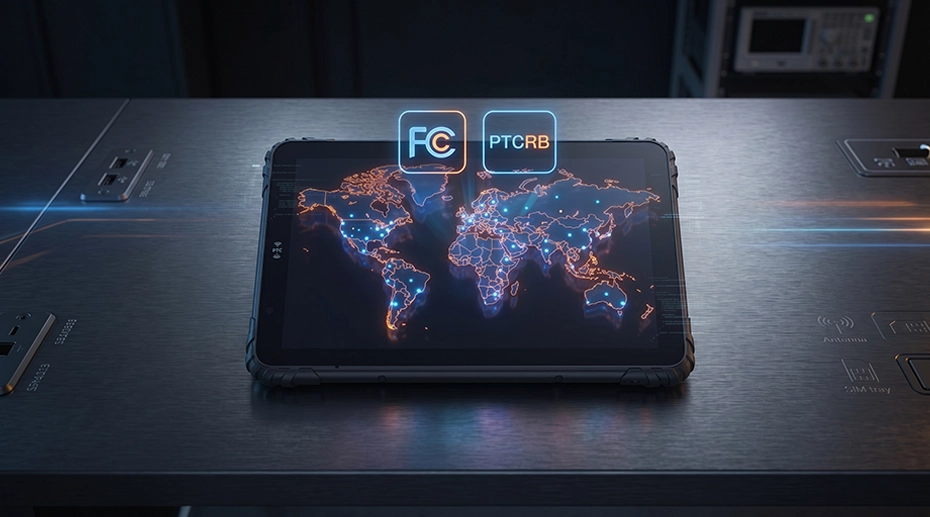
Antenna Design
Antenna placement, gain, and SAR directly impact PTCRB certification results.

PCB Layout & EMI
EMI interference, shielding design, and power noise affect FCC compliance.
Module Selection
Pre-certified communication modules significantly reduce certification time and cost. A pre‑certified vehicle computing dock with integrated cellular modules speeds up the entire process.
6. How Certification Affects Time-to-Market

OEM value: Choosing a pre-certified OEM platform can significantly shorten your product launch cycle. Request a certification‑ready OEM quote →
7. How an OEM Partner Simplifies Certification

Working with an experienced rugged tablet OEM ensures your product is market‑ready from both hardware and compliance perspectives. A certified fleet computing solution comes pre‑approved for carrier networks, eliminating the risk of deployment delays.
8. Industries That Require Certified Rugged Tablets
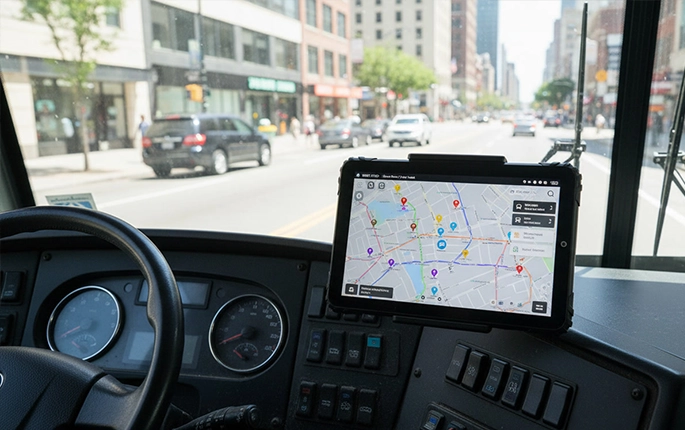 Fleet management devices — require cellular connectivity
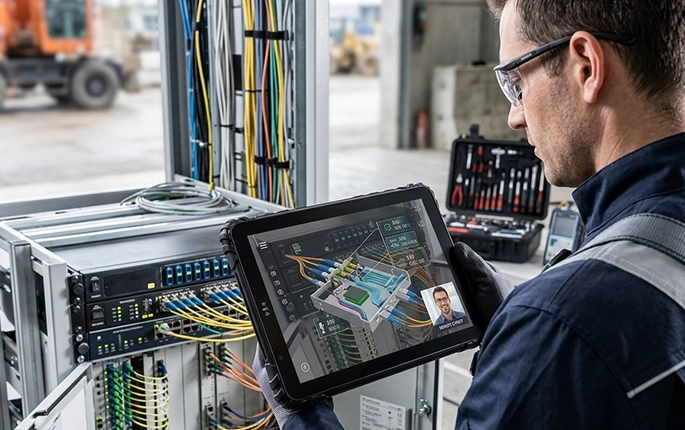 Industrial IoT terminals — require regulatory compliance
 Field service tablets — need carrier network access
 Smart agriculture equipment — requires reliable connectivity
9. Frequently Asked Questions
What is the difference between FCC and PTCRB certification?
FCC certifies that a device is legal to sell in the US. PTCRB certifies that a device can actually connect to North American carrier networks. Both are required for cellular rugged tablets targeting the US market.
Do all rugged tablets need FCC certification?
Any device with wireless communication (4G/5G, WiFi, Bluetooth) sold or imported into the US requires FCC certification. Without it, devices can be seized by customs.
Can I use a device without PTCRB on AT&T or T‑Mobile?
No. AT&T and T‑Mobile require PTCRB certification for devices to operate on their networks. Non‑certified devices will be blocked or have limited functionality.
How long does PTCRB certification take?
PTCRB certification typically takes 4‑8 weeks depending on device complexity and testing schedule. Pre‑certified modules can significantly reduce this timeline.
Is certification included in OEM services?
TOPICON provides pre‑certified platforms and certification support as part of OEM services. Start your certification‑ready OEM project →
Ready to Certify Your Rugged Tablet for Global Markets?
Skip the certification bottlenecks. Deploy with pre‑certified hardware that meets FCC and PTCRB requirements from day one. Request OEM certification support →
Related Certification & OEM Resources