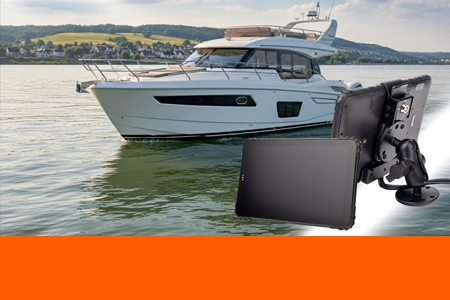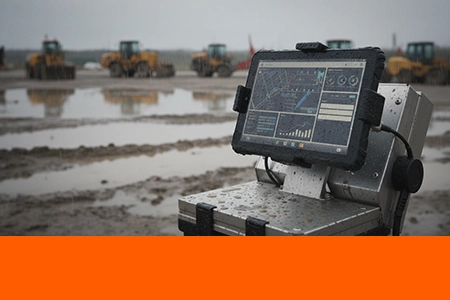
Boat Tablet: The Ultimate Marine Computing Solution for Modern Vessels and Maritime Operations
From commercial shipping to recreational navigation, the harsh marine environment demands specialized computing. A professional Boat Tablet is no longer a luxury — it's the intelligent core of modern vessel operations, engineered to withstand salt, water, and constant vibration.
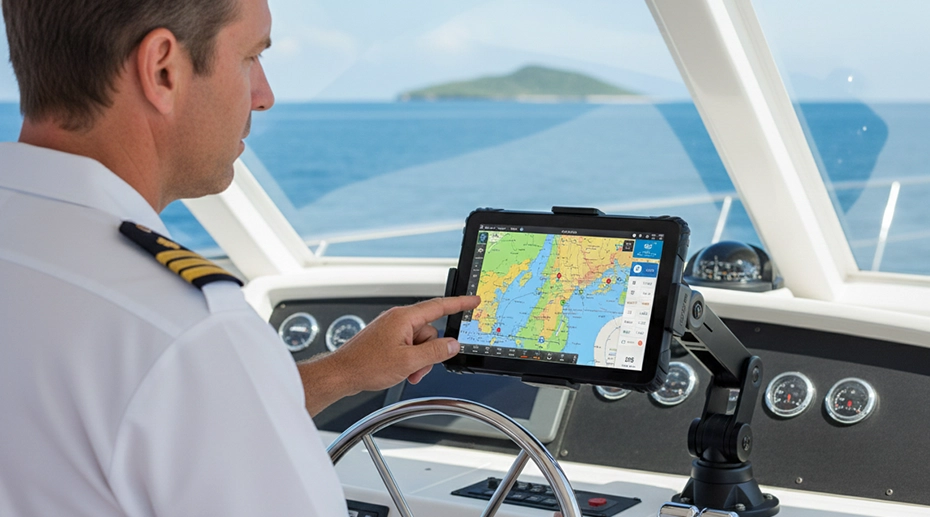
Table of Contents
Introduction: The Digital Core of Modern Vessels
In today's marine operations and recreational navigation, technology plays an increasingly vital role. Whether for commercial shipping, fishing operations, or maritime rescue missions, the harsh marine environment places extreme demands on equipment. Under such demanding conditions, the Boat Tablet - a rugged device specifically engineered for marine environments - has become an indispensable smart terminal for various types of vessels. Unlike standard waterproof tablets, marine-grade devices are built from the ground up to combat saltwater corrosion, intense UV radiation, and constant vibration.
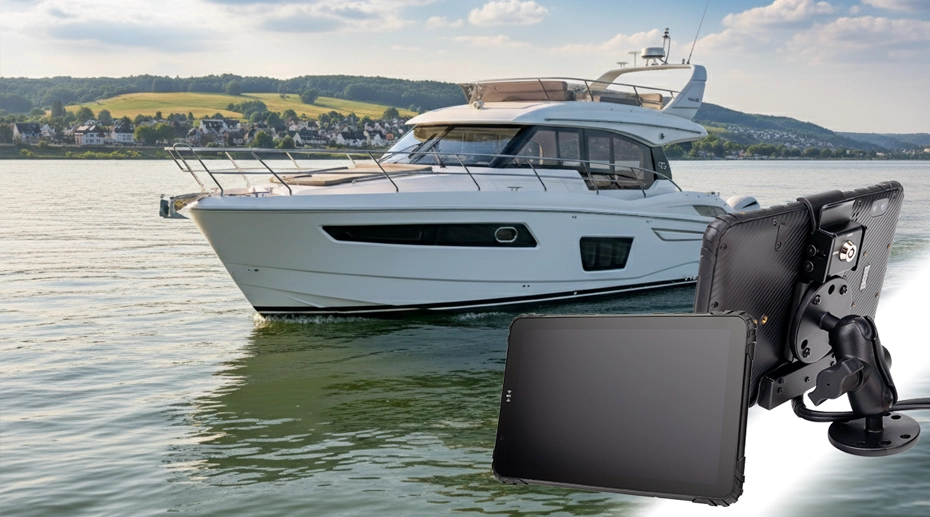
1. Why Boat Tablets Are the Ideal Choice for Marine Operations
Exceptional Weather Resistance and Structural Durability
The marine environment presents numerous challenges: saltwater corrosion, intense UV radiation, constant vibration, and the ever-present risk of water immersion. Specifically designed Marine Tablets feature completely sealed constructions that meet or exceed IP67 protection ratings, effectively preventing saltwater intrusion. These devices comply with MIL-STD-810H military standards, ensuring reliable operation despite intense vibration, extreme temperature variations, and accidental drops.
Professional Maritime Function Integration
A Boat Tablet is more than just a rugged computer — it's an intelligent platform integrating specialized maritime functions. Equipped with high-precision GPS modules supporting multiple satellite navigation systems (GPS/GLONASS/BeiDou/Galileo), these devices run professional electronic chart display and information systems (ECDIS). Compared to standard Vehicle Tablets, Marine Tablets additionally offer specialized features including route planning, tidal information, and integrated meteorological data.
Seamless Integration with Vessel Systems
Modern Boat Tablets connect seamlessly with vessel equipment such as autopilots, fish finders, sonar systems, and radar through NMEA 2000 and NMEA 0183 protocols. This positions the device as the intelligent control center of the vessel, significantly enhancing navigation efficiency and safety.
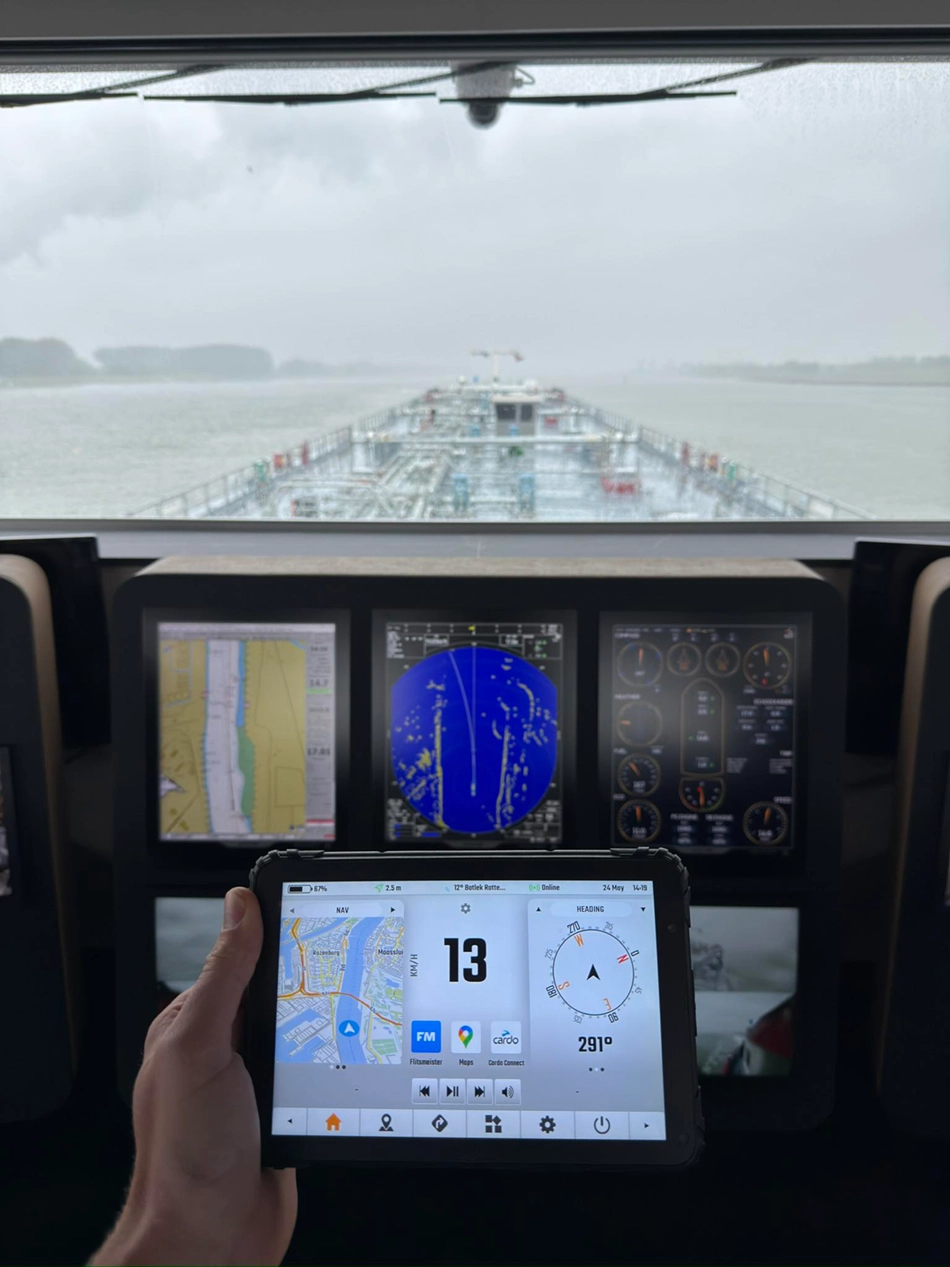
2. Key Features and Technical Specifications of Marine Tablets
Extended Battery Life and Intelligent Power Management
Marine operations often continue for hours or even days. Boat Tablets are equipped with high-capacity batteries sustaining 10+ hours of operation and support direct power from vessel electrical systems. For fleet operators requiring 24/7 performance, our vehicle mount tablet solutions share similar rugged power management architecture suitable for marine mounting.
Comprehensive Connectivity Options
In offshore environments far from terrestrial networks, stable connectivity is essential. High-end models support 4G/5G mobile networks and satellite communication options, maintaining connectivity even in remote ocean areas. Dual-band Wi-Fi, Bluetooth 5.0+, and VHF data exchange further expand communication possibilities.
Professional-Grade Sunlight Readable Displays
Intense direct sunlight and water reflection render ordinary screens unreadable. Professional Rugged Tablets utilize high-brightness displays (1000+ nits) with anti-reflective coatings and optical bonding for clear visibility, complemented by wet-hand and glove operation modes.
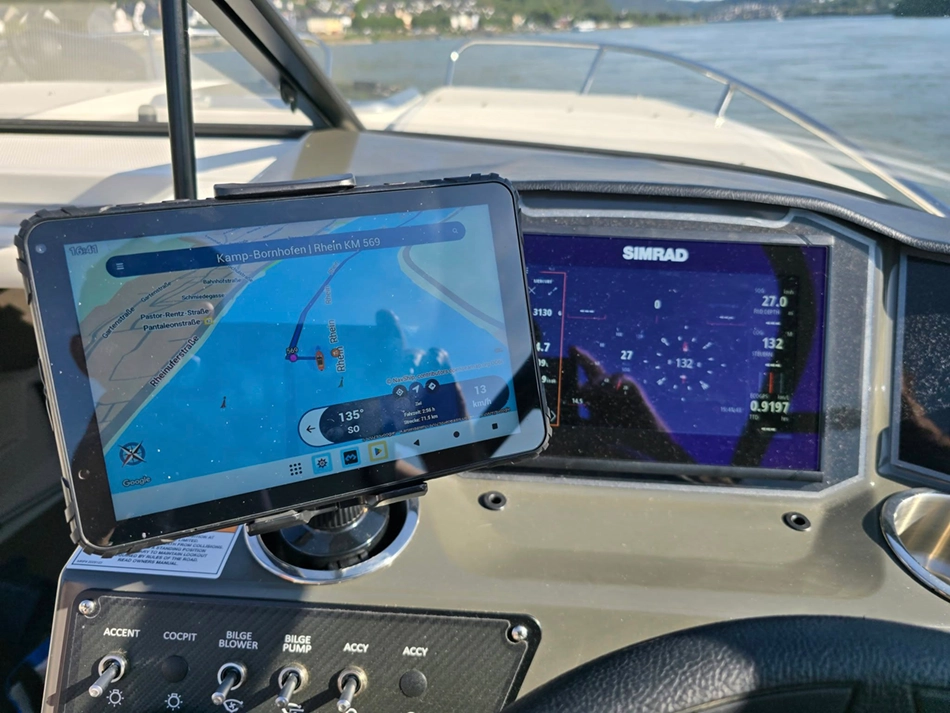
3. Core Advantages of Boat Tablets in Maritime Applications
Enhanced Navigation Safety and Precision
Professional Boat Tablets employ high-sensitivity GPS receivers with positioning accuracy within 3 meters, combined with real-time heading, speed, and depth data for the most accurate navigation available. Integrated AIS automatically identifies surrounding vessels, effectively preventing collisions. For commercial applications that demand rugged reliability, these devices function as a specialized mobile data terminal for marine operations.
Optimized Marine Operational Efficiency
For commercial fishing vessels, Boat Tablets can integrate fish finder data, displaying real-time information on fish school distribution, water depth, and temperature. For research fleets, tablets connect to ocean monitoring instruments, recording and analyzing marine data in real-time.
Reduced Total Cost of Ownership
While the initial investment exceeds consumer-grade products, the exceptional reliability and extended lifecycle significantly reduce total ownership costs. Avoiding frequent replacements due to saltwater corrosion saves substantial amounts over time.
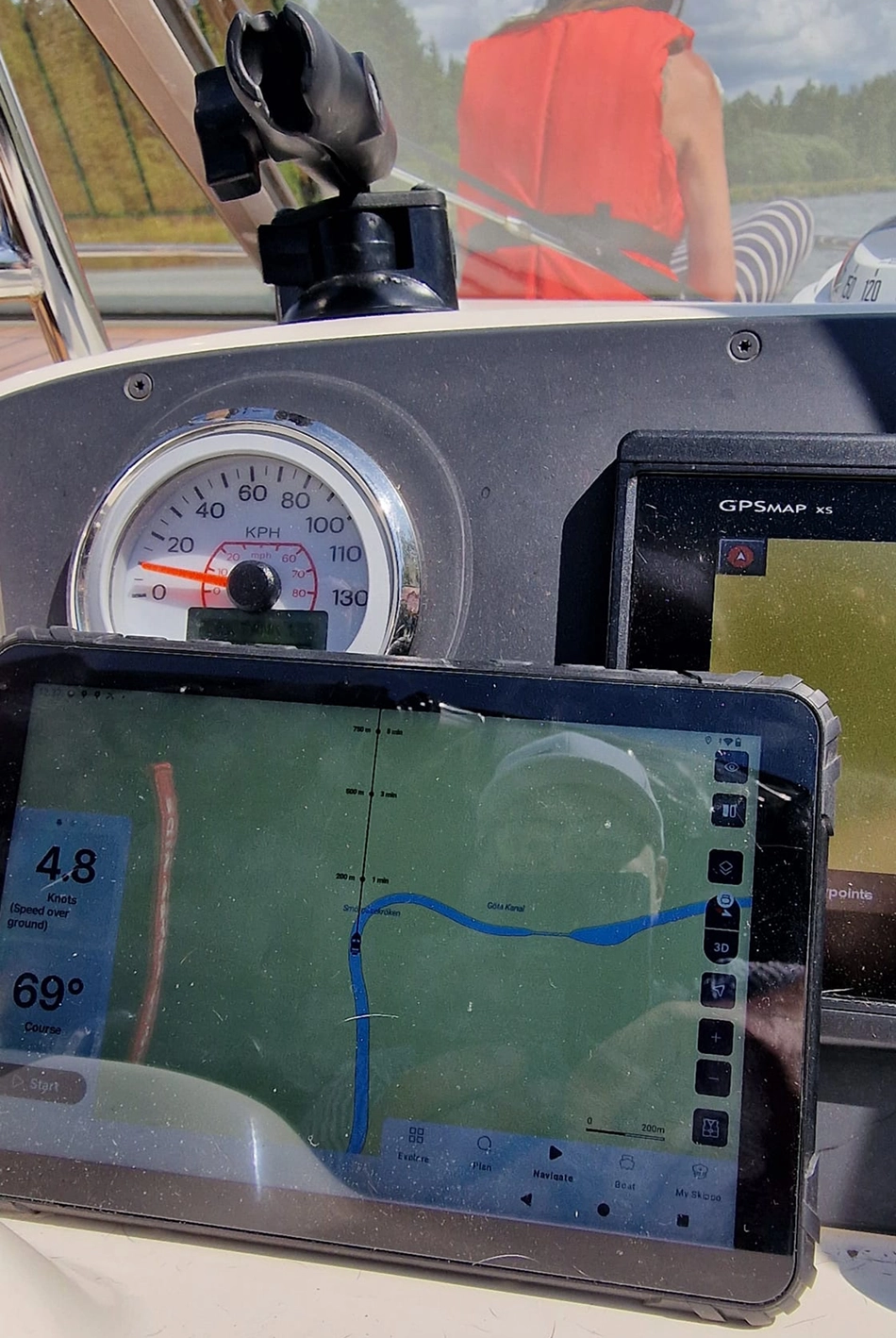
4. Integration Capabilities with Marine Systems and Equipment
Navigation System Integration
Modern Boat Tablets integrate with existing marine navigation systems through standardized NMEA interfaces, displaying information from GPS compasses, autopilots, depth sounders, and speed sensors on a single screen. This deep integration creates an in-vehicle platform adapted for the unique demands of marine environments, enhancing situational awareness during critical maneuvers.
Communication and Monitoring Systems
Beyond navigation, Marine Tablets serve as communication hubs. Integration with VHF radios enables digital selective calling (DSC) functionality, while satellite communication modules keep vessels connected regardless of distance from shore.
For System Integrators: TOPICON focuses on providing OEM Boat Tablet platforms for marine system integrators. Explore OEM customization →
5. How to Choose the Right Boat Tablet for Your Vessel
Assessing Your Specific Maritime Requirements
Before selecting a Boat Tablet, clearly define your primary usage scenarios: recreational boating, commercial fishing, or professional shipping? Different applications have varying requirements for device performance, specialized functions, and waterproof ratings.
Focusing on Critical Performance Indicators
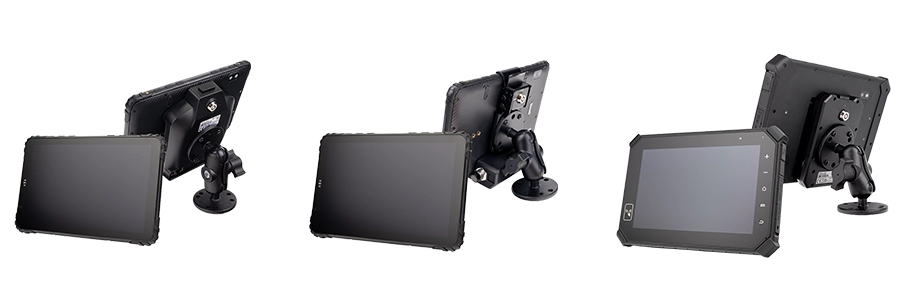
Protection rating (IP67 minimum), operating temperature range, display brightness, battery life, and connectivity options are key metrics to evaluate. Ensure the device supports required software and chart formats, and consider mounting options compatible with your vessel's layout.
Considering Long-Term Value and Support Services
Beyond hardware, consider software update policies, technical support availability, warranty terms, and the availability of marine-specific accessories for your chosen Rugged Tablet.
6. Future Trends in Marine Computing Technology
Advanced Connectivity Solutions
Future Boat Tablets will feature integrated LEO satellite communication and enhanced 5G, enabling global high-speed connectivity for remote monitoring and real-time data exchange.
Artificial Intelligence Integration
AI-powered route optimization, image recognition for hazard detection, and predictive maintenance algorithms will transform Rugged Tablets into proactive navigational assistants.
Enhanced Sensor Fusion Capabilities
Emerging sensor fusion technologies will allow future tablets to integrate data from radar, sonar, cameras, and environmental sensors into a unified, intuitive display.
Conclusion
Boat Tablets have evolved into indispensable intelligent marine platforms, with exceptional ruggedness, integrated maritime functions, and reliable performance. As marine technology continues to advance, they will play an even greater role in maritime operations, safety, and efficiency. Investing in a high-quality Boat Tablet safeguards not just equipment performance but also the overall success of future maritime activities.
FAQ
Is this boat tablet designed for retail users?
Answer: These boat tablets are primarily developed for OEM projects, marine system integrators, and commercial fleets requiring long-term supply and system-level integration.