
White-Label Fleet Tablet Hardware for System Integrators & ELD Providers
You build the software. We build the hardware platform. TOPICON provides white-label rugged tablets with 9-36V vehicle power, 1000-nit sunlight displays, MIL-STD-810G/H certification, and full OEM customization — so your fleet solution ships under your brand, not ours.
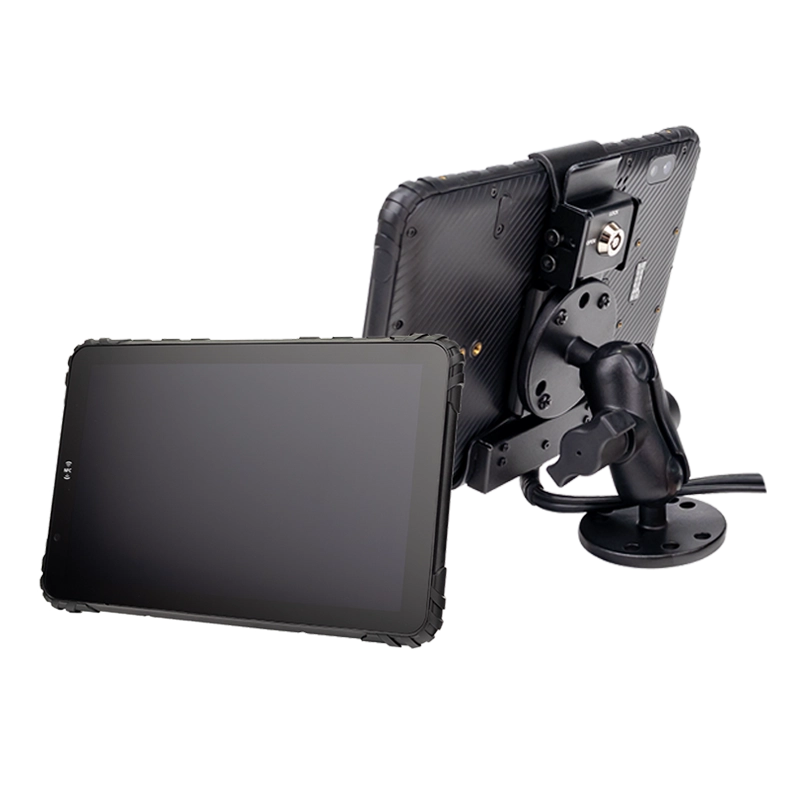
CAN Bus · Vehicle Dock · Custom I/O · Private Label Ready
For System Integrators & ELD Providers
You have the software, the customer relationships, and the deployment expertise. We provide the hardware platform — nothing more, nothing less.
Fleet Management Software Companies

Deploy your dispatch, tracking, and telematics platform on hardware that carries your logo and your firmware — not a third-party brand. Source your fleet tablet platform →
ELD Compliance Providers

Ship FMCSA-compliant ELD hardware pre-loaded with your HOS application, MDM-enrolled, and driver-ready at first boot. Build your ELD hardware platform →
Telematics & GPS Platform Providers
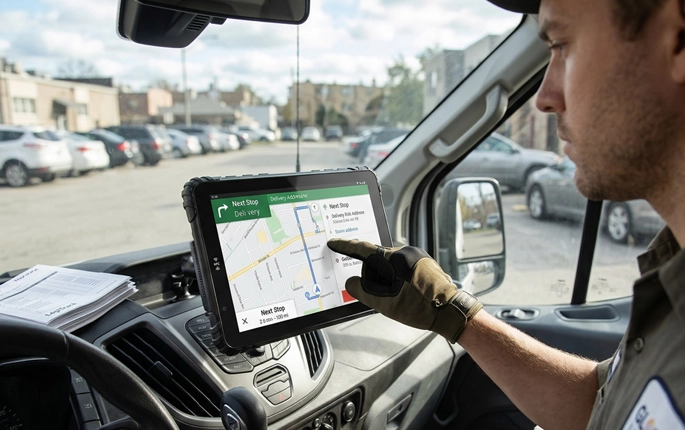
Integrate multi-constellation GNSS, CAN Bus engine data, and 4G/5G connectivity into your telematics solution on rugged hardware. Configure your telematics tablet →
See the Hardware in Action
Reliability, integration, and real-world performance — demonstrated.
4-Channel AHD Camera Integration
MDT880 with CRD880 — multi-camera input for 360° visibility and fleet safety monitoring.
Barcode Scanner Module
MDT865 with barcode scanner — ideal for warehouse, logistics, and delivery fleet operations.
GPS Enhancement & Fleet Tracking
MDT865 external antenna setup for high-precision GPS and real-time telematics integration.
→ All features are available for OEM/ODM customization. Contact us for integration support.
White-Label Hardware Platform
Your brand on the device, the boot screen, the packaging, and the firmware. No TOPICON branding visible to your end customers.

Branding That Stays in the Cab
Custom logo on device bezel and boot animation. Custom packaging with your branding. Your firmware signature. When drivers see the device every day, they see your brand — not ours. Explore white-label program →
Pre-Loaded Software & MDM Enrollment
Tablets ship with your application pre-installed, MDM-enrolled with your policies, and kiosk mode configured. Drivers power on and start working — no setup, no sideloading, no IT tickets.
Zero-Touch Enrollment Ready
Pre-register IMEIs in Google's zero-touch portal or our TOPICON MDM server. Devices configure themselves on first power-on — no technician required, regardless of fleet size.
Hardware Revision Locking
We lock the hardware revision for the lifecycle of your deployment. No silent BOM changes, no unexpected component substitutions. Your software certification stays valid because the hardware doesn't change underneath it.
Custom I/O & Firmware (OEM)
Hardware-level customization — not just a logo on a standard device.
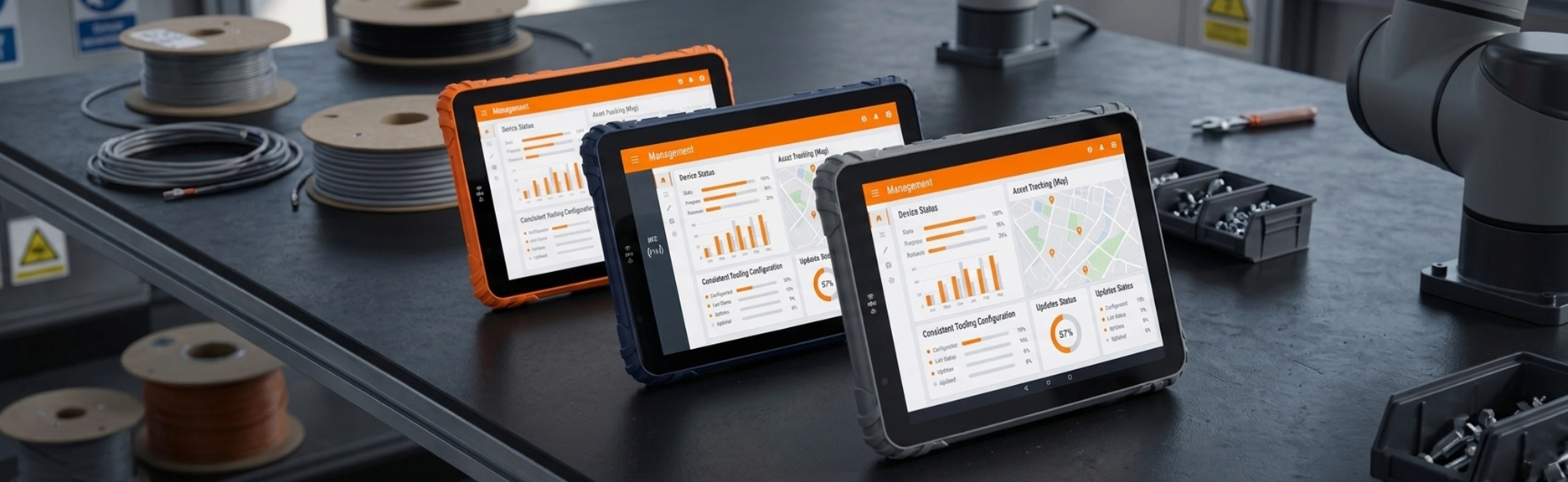
Custom I/O Configuration
RS232/RS485 serial ports, GPIO triggers, M12 Ethernet, CAN Bus (J1939 on MDT865), AHD camera inputs, external antenna connectors — configured at the factory to match your software's peripheral requirements. Spec your I/O →
Android Firmware Customization
Custom ROM builds with your boot animation, your default launcher, your kiosk mode configuration, your security policies. Android 12/14 with GMS or AOSP — your choice. SDK/API access for deep hardware integration.
Kiosk Mode & Lockdown
Single-app mode, locked launcher, disabled settings, USB restrictions, hidden navigation bar — everything locked down before the device ships. Your fleet solution runs exactly as designed, with no operator deviation.
BOM Control & 5+ Year Lifecycle
The system integrator's biggest risk is not the initial deployment — it's hardware that gets discontinued six months later.
Guaranteed 5+ Year Supply Continuity
We commit to multi-year hardware supply with the same form factor, same accessories, same dock compatibility. Your deployment plan doesn't get disrupted by a product line refresh you didn't see coming.
Multi-Source Component Strategy
Critical chips are multi-sourced to avoid sole-source dependencies. Last-time-buy notifications 12+ months in advance. Form-fit-function replacements that maintain hardware and software compatibility.
Advance Replacement Warranty
Spare pool management for system integrators. We ship replacement units before you return the failed device — minimizing your customer's vehicle downtime and your RMA turnaround.
EOL Roadmap Transparency
We publish our end-of-life roadmap so you can plan hardware refreshes into your contracts years in advance. No surprise discontinuations. Learn about industrial OEM →
TCO for Fleet Deployment
Why white-label OEM hardware delivers lower 5-year total cost of ownership than consumer or tier-1 alternatives
Bottom line: White-label OEM hardware strips out brand marketing budgets, multi-layer distribution margins, and retail packaging costs — delivering the same industrial components at a structural cost advantage. Request TCO comparison for your fleet size →
Your Tablet Is Now the Single Point of Failure
In digital fleet operations, there's no paper fallback. If the device fails, the entire workflow stops — compliance, dispatch, and deliveries all go dark.

Compliance Stops
ELD logs stop recording. HOS data goes missing. One device failure can put your client's fleet out of FMCSA compliance — and your solution under scrutiny.

Dispatch Goes Dark
Real-time route updates stop. Drivers lose contact. Your software platform looks bad — even though the hardware caused the failure.

Your Reputation Suffers
When hardware fails, the client doesn't blame the tablet manufacturer — they blame the solution provider who chose the hardware. Choose hardware that protects your brand →
Why it matters for system integrators: Every hardware failure is a support ticket, an angry client, and a threat to your contract renewal. The upfront cost difference between consumer and rugged OEM hardware disappears the first time you avoid a single deployment-wide failure.
Pre-Certified: CE / FCC / PTCRB
Cut months off your certification timeline by starting with pre-certified hardware
CE
European conformity — ready for EU deployment
FCC
US radio compliance — proven RF performance
PTCRB
Cellular network certification
RoHS / MIL-STD-810H
Environmental and military-grade durability
Starting with pre-certified hardware reduces your certification cycle from months to weeks. Request certification documentation →
Vehicle Integration Accessories
Complete in-vehicle solution including tablet, docking station, mounting system, and power integration
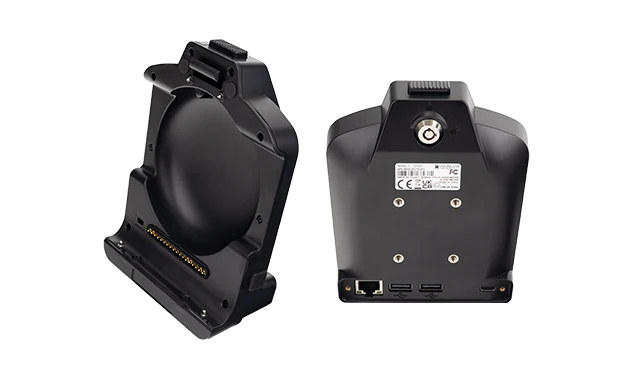
Vehicle Dock
Continuous power · Secure mounting · Quick release · 10,000+ mating cycles
Dock specifications →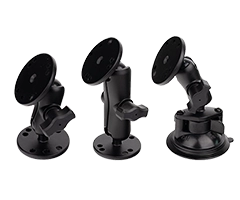
Mounting Brackets
RAM mount compatible · Adjustable positioning · Vibration-resistant
Mounting options →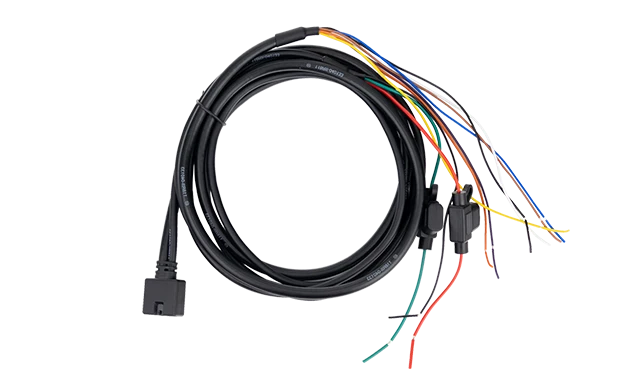
Power & Cable
9–36V wide voltage · Ignition control · Fuse protection · 3-wire harness
Power integration →For vehicle mount tablets with full accessory ecosystems, explore our complete lineup. View docking station matrix →
Fleet Tablet vs Traditional Mobile Data Terminal
Legacy MDT systems are being replaced by rugged Android tablets — combining MDT reliability with open Android flexibility. For MDT hardware platforms, explore our dedicated options.
| Feature | Legacy MDT | Fleet Tablet (OEM) |
|---|---|---|
| Operating System | Proprietary | Android (open ecosystem) |
| White-Label Customization | Limited | Full branding + firmware + I/O |
| Software Flexibility | Limited | Google Play + SDK/API |
| BOM Control | Vendor-controlled | SI-controlled with revision locking |
| Supply Chain | Proprietary lock-in | 5+ year guaranteed continuity |
Trusted by Fleet Solution Providers
"What a big difference the MDT865 is compared to the previous model — much bigger and better screen, much better performance and much better navigation. The truck driver was genuinely happy."
— Fleet Navigation Solution Provider, Germany"It helped us a lot to have the device management server for remote updates. I was able to put the MDT665 on the windscreen and navigate — it proves that it can work worldwide."
— Fleet Navigation Solution Provider, Germany"Whenever we needed a software solution, the team always had one ready. Great people, reliable service, wonderful team."
— Vehicle System Integrator, Germany"You are a wonderful team where people watch customer needs and deliver reliable services and products."
— Vehicle System Integrator, GermanyHow to Deploy Fleet Tablets at Scale
The deployment architecture that separates smooth rollouts from support nightmares
1. Zero-Touch Enrollment
Pre-register IMEIs in TOPICON MDM server before shipment. Devices configure themselves on first power-on — no technician required. Zero-touch enrollment guide →
2. Staged OTA Updates
Scheduled firmware update windows, WiFi-enforced downloads, wake-from-off upgrade, and automatic version staging. Push to 500 devices overnight — zero vehicle visits.
3. Spare Pool Management
Quick-release docks enable driver-swappable spares. Keep 5-10% spare inventory in depots — damaged device swapped in seconds, not days. Spare device planning →
Frequently Asked Questions
What is the minimum order quantity for white-label OEM fleet tablets?
We offer flexible MOQ — discuss your project volume with our team. Pilot runs can start with as few as 10-50 units for evaluation and certification testing. Request MOQ details →
How long does OEM customization take from spec to production?
Standard white-label branding and I/O configuration: 4-8 weeks. Full custom firmware and hardware modification: 12-20 weeks depending on complexity. We provide a detailed timeline during the proposal phase.
Can I get pre-certified hardware for my target market?
Yes. TOPICON tablets are pre-certified CE, FCC, PTCRB, RoHS, and MIL-STD-810H. If your deployment requires additional certifications, we support the certification process with documentation and engineering assistance.
Does TOPICON compete with my fleet software solution?
No. We are strictly a hardware manufacturer. We do not sell fleet management software, ELD applications, or telematics platforms. Our business model is OEM hardware supply — we succeed when your solution succeeds.
What is the warranty and RMA process for OEM hardware?
Advance replacement warranty included. We ship replacement units before you return the failed device. Spare parts availability guaranteed for 5+ years. Request warranty terms →
How does TOPICON ensure supply chain stability?
Hardware revision locking, multi-source component strategy, 12+ month EOL notifications, and 5+ year supply continuity commitments — all documented in our industrial OEM agreement.
Build Your Fleet Solution on Hardware You Control
White-label OEM hardware with custom I/O, pre-loaded software, MDM pre-enrollment, and 5+ year supply continuity — designed for system integrators who want to own their hardware strategy.