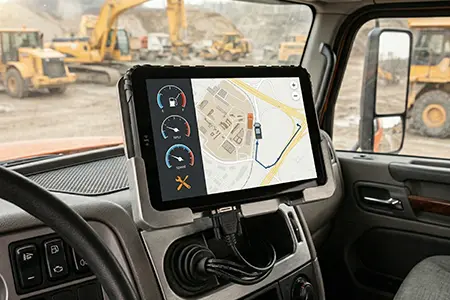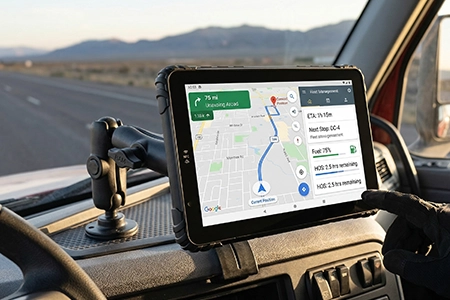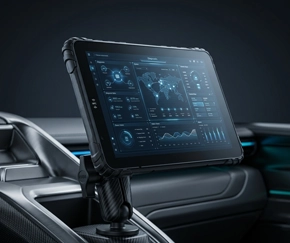
How Tablets Improve Delivery Efficiency in Fleet Operations
In delivery operations, efficiency isn't just about software — the hardware drivers use every day determines whether route optimization, real-time tracking, and dispatch systems actually deliver results at scale.
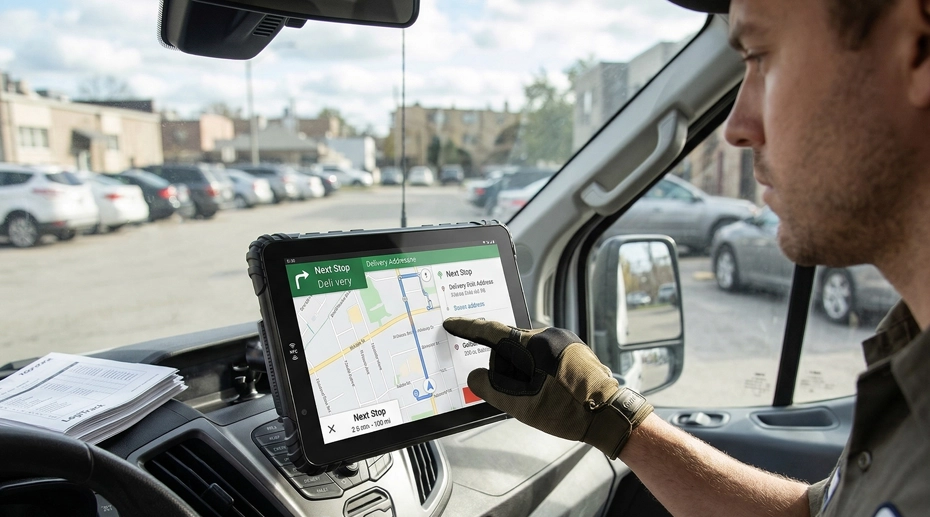
Table of Contents
Rugged tablets designed specifically for delivery drivers play a key role in enabling these systems to work reliably at scale. Deploy delivery driver tablets → that are purpose‑built for the cab, not the living room.
In many large‑scale deployments, the wrong device can become a bottleneck, limiting performance, reliability, and scalability. Hardware is the foundation of delivery efficiency — and a centralized fleet computing platform keeps every driver connected to the same real‑time data stream.
1. The Hidden Bottleneck in Delivery Efficiency: Hardware
Even the best route optimization software cannot compensate for unreliable hardware. When devices lag, disconnect, or overheat, driver efficiency drops immediately. In fleet operations, device problems become system problems — a vehicle‑integrated driver terminal eliminates these failure points by design.

Delays every stop

Lost communication

Device shutdowns
No matter how good an app is, it still relies on the device. Device issues mean the entire system fails.
2. Limitations of Consumer Devices in Delivery Operations
No vehicle mounting
Cannot be securely fixed in‑cab — a locking vehicle dock solves this immediately
Short battery life
Cannot support full shifts
Short lifecycle
Replacement cycles under 2 years
No MDM support
Cannot be managed remotely — a centrally managed fleet data device eliminates this gap
These are not minor inconveniences — they are scalability blockers.
3. How Tablets Enable Efficient Delivery Workflows

Stable In‑Vehicle Operation
Vehicle mounting + continuous power

Reliable Connectivity
Minimized dropouts and disconnections

Continuous Performance
Long hours without lag or throttling — a fanless vehicle‑grade computer handles high ambient temperatures without throttling
Integrated Workflow Execution
One device runs all delivery systems
Source dedicated driver tablets → built for multi‑stop delivery routes.
4. Why Hardware Matters in Scalable Delivery Projects

10 vs 1000 devices
Scale changes everything — factory‑level provisioning ensures every unit ships identical

Deployment consistency
Identical configuration across fleet
Remote management
MDM for fleet‑wide control

Lower operational costs
Reduced maintenance overhead
At scale, hardware standardization becomes critical.
5. Key Features of a Tablet for Delivery Operations


Vehicle Docking & Mounting
Secure in‑cab installation with continuous power

High‑Brightness Display
Readable in direct sunlight

Rugged Design
IP67 waterproof, drop and vibration resistance
MDM Compatibility
Remote device management at scale

Long Lifecycle Support
5+ years of consistent supply
6. Supporting System Integrators & OEM Projects
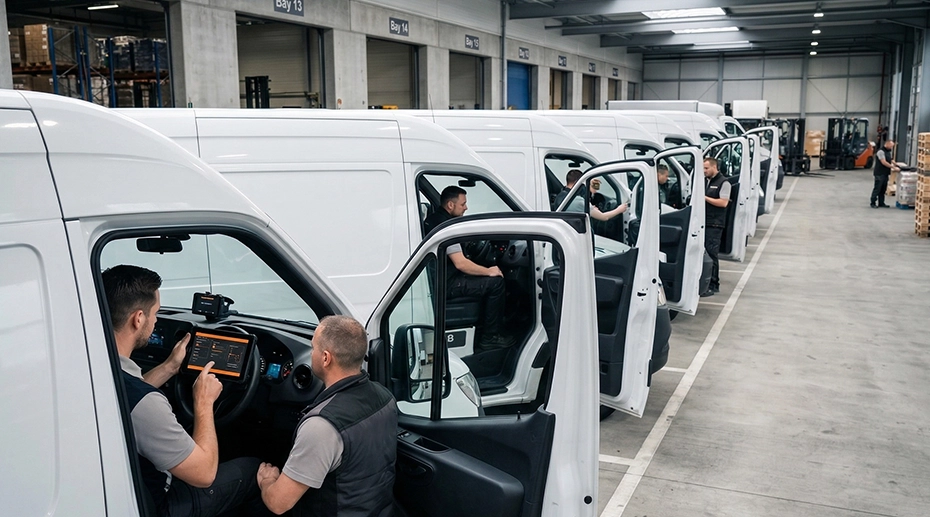

Pre‑installed Apps
Ready‑to‑use fleet software

Firmware Customization
Tailored OS and settings
Interface Support
CAN Bus, RS232, USB

Batch Deployment
Scalable volume deployment — start an OEM custom tablet program to ship devices fully configured
Configure delivery‑ready tablets → Designed for system integrators and fleet solution providers.
7. Typical Deployment Scenarios
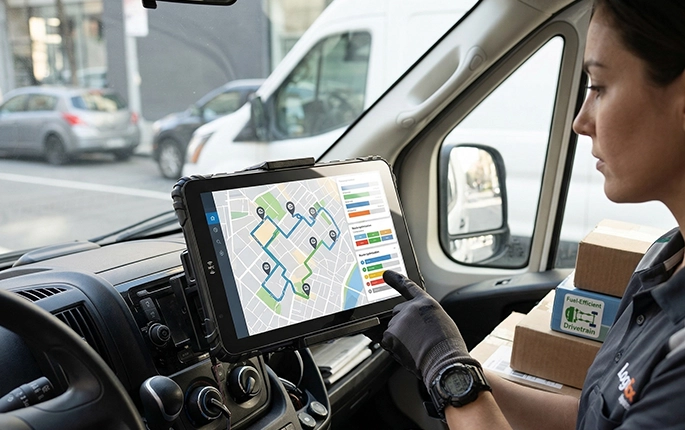
Last‑Mile Fleets
High‑volume package delivery
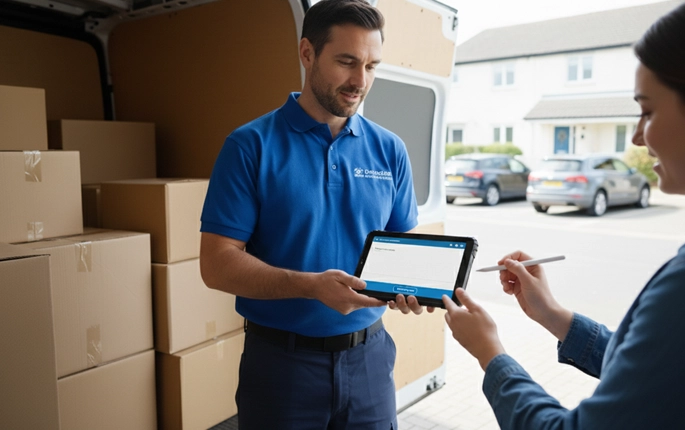
Logistics Providers
Third‑party logistics operations
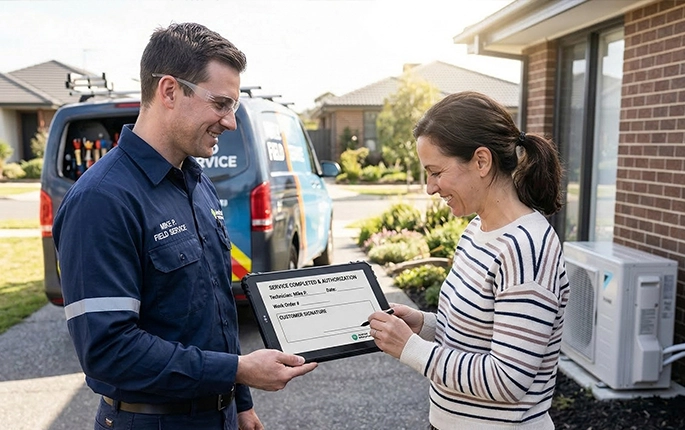
E‑Commerce Delivery
Online retail fulfillment

3PL Providers
Third‑party logistics
8. FAQ
Do delivery fleets need dedicated hardware devices?
Yes. For fleets with multiple drivers, dedicated hardware provides consistent performance, vehicle mounting, and remote management capabilities that consumer devices lack. A rugged fleet‑grade tablet is built for exactly this environment.
Can consumer devices scale in fleet deployment?
No. Consumer devices are not designed for vehicle environments, continuous operation, or remote management at scale.
What hardware is best for delivery systems?
Rugged tablets with vehicle docking, MDM support, and long lifecycle — purpose‑built for delivery operations. An ELD‑capable delivery tablet also handles compliance logging for larger vehicles.
How does hardware affect delivery efficiency?
Unreliable hardware causes delays, downtime, and increased operational costs. Reliable hardware enables consistent, scalable delivery performance.
Efficiency Depends on Choosing the Right Hardware Platform
Improving delivery driver efficiency is not just about software — it depends on having the right hardware in place. Deploy purpose‑built driver tablets to eliminate the device‑related delays that erode route productivity.
Related Delivery & Fleet Tablet Resources