From Color Customization to Interface Tooling: How TOPICON Enables Flexible OEM Services for B2B Brands
For many B2B brands, entering the rugged device market or expanding product lines often comes with high barriers — large MOQs, long development cycles, and complex customization processes. Flexible OEM services change this equation by offering scalable, modular customization that reduces risk and speeds up time-to-market.
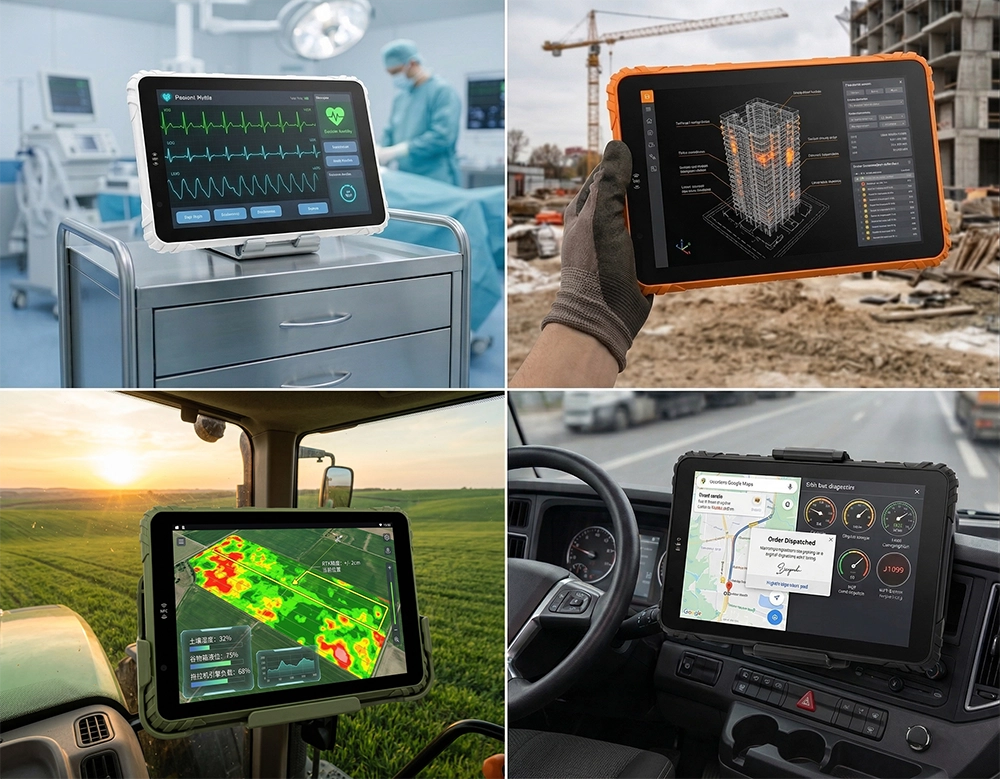
Table of Contents
1. Why Traditional OEM Models Are a Barrier
For B2B brands looking to enter the rugged tablet market, traditional manufacturing approaches present significant obstacles. A flexible OEM manufacturing program removes these barriers by allowing you to start with modular customization rather than committing to a full ground‑up design.

Large production volumes increase upfront investment risk
Custom hardware projects may take months
Design changes are difficult once production starts
Many B2B brands hesitate to launch or customize hardware products due to cost and complexity. A low‑barrier OEM entry program eliminates the need for massive upfront commitments.
2. What Does "Flexible OEM" Really Mean?
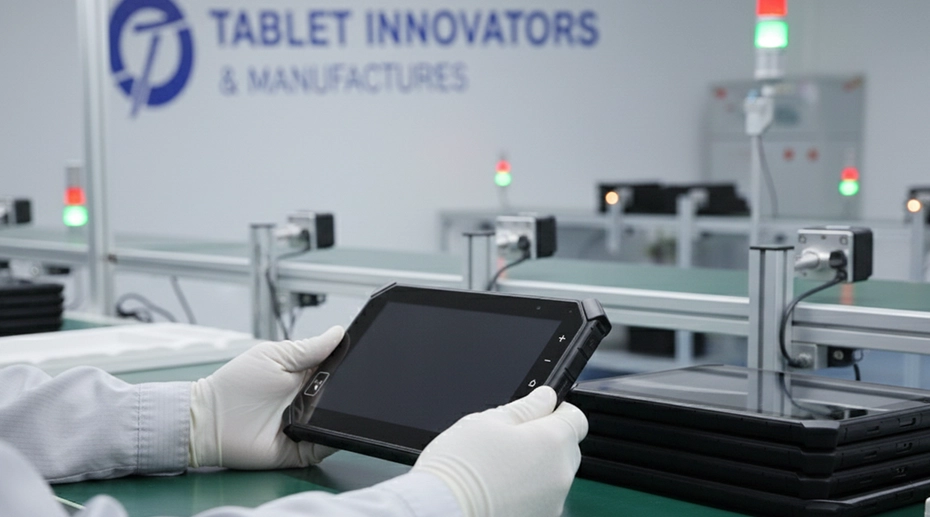
Flexible OEM is not about full customization from scratch. Instead, it focuses on modular, scalable customization layers that reduce complexity and speed up deployment. Whether you need a pre‑configured fleet computing platform or a custom‑branded device for your vertical market, the tiered approach lets you choose the right level for your budget and timeline.
 Tier 1: Visual Customization (Low‑Barrier Entry)
Logo printing, housing color customization, packaging design
 Tier 2: Functional Customization
Pre‑installed applications, UI/UX adjustments, firmware configuration
 Tier 3: Hardware‑Level Customization
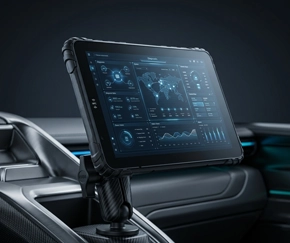
Interface modification (CAN, RS232, GPIO), docking structure adjustments, peripheral integration — ideal for an in‑vehicle computing platform that needs specific I/O configurations
Flexible OEM allows brands to choose the level of customization based on project needs — not start from zero.
3. How TOPICON Supports Low‑Barrier OEM Projects
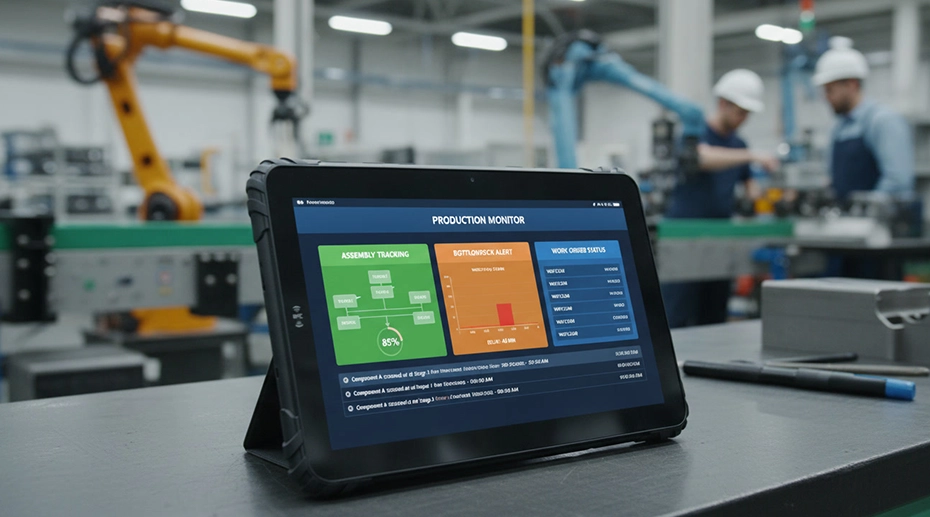
 Modular Product Platform
Customization based on proven rugged tablet platforms for stability and faster turnaround. Build on our standard rugged tablet base to accelerate your project launch.
 Flexible Interface Options
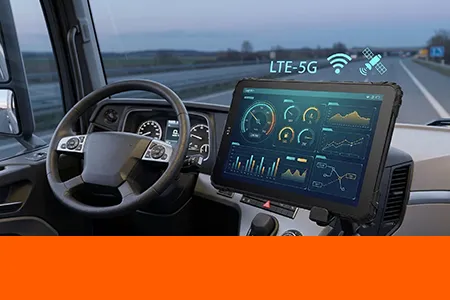
CAN Bus, RS232/RS485, GPIO for seamless system integration — configure a custom vehicle‑mount computing dock with the exact ports your deployment requires
 Custom Docking & Mounting
Vehicle‑mounted docks, charging cradles, mechanical adjustments
 Pre‑Deployment Configuration
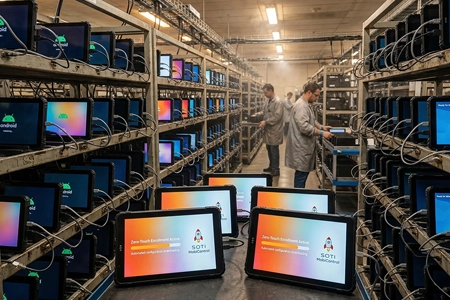
Boot logo, preloaded apps, MDM provisioning — ship ready‑to‑deploy mobile data hardware that connects to your fleet platform out of the box
Reducing client development burden — not adding complexity.
4. OEM vs ODM: Choosing the Right Approach
For most B2B projects, flexible OEM is the most efficient starting point.
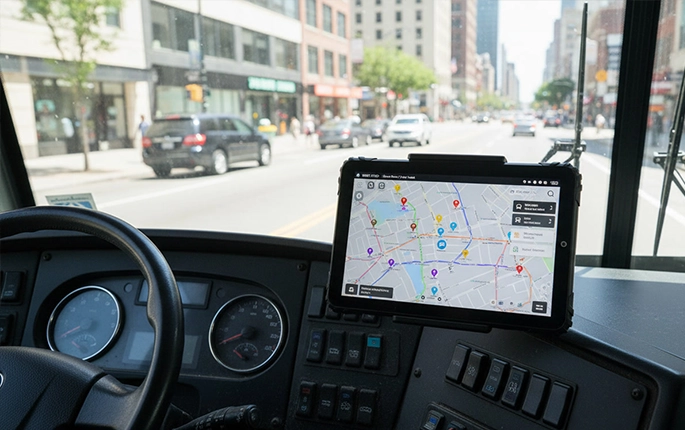
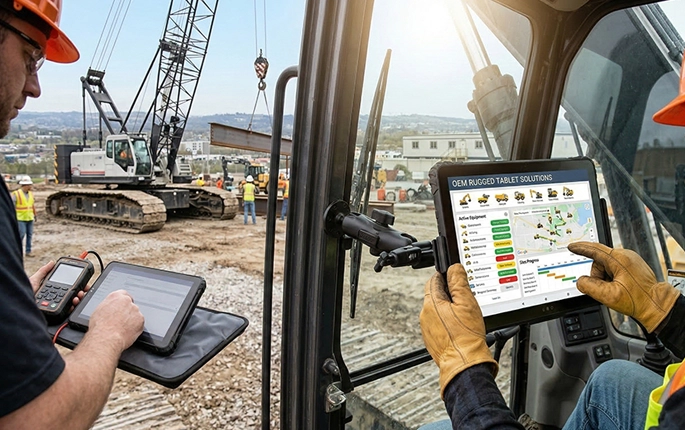
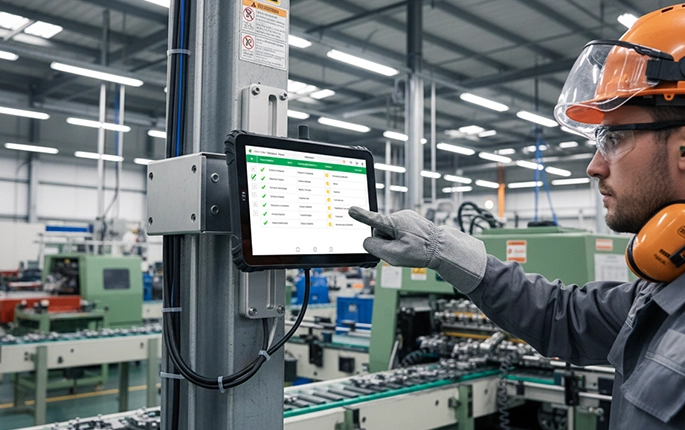
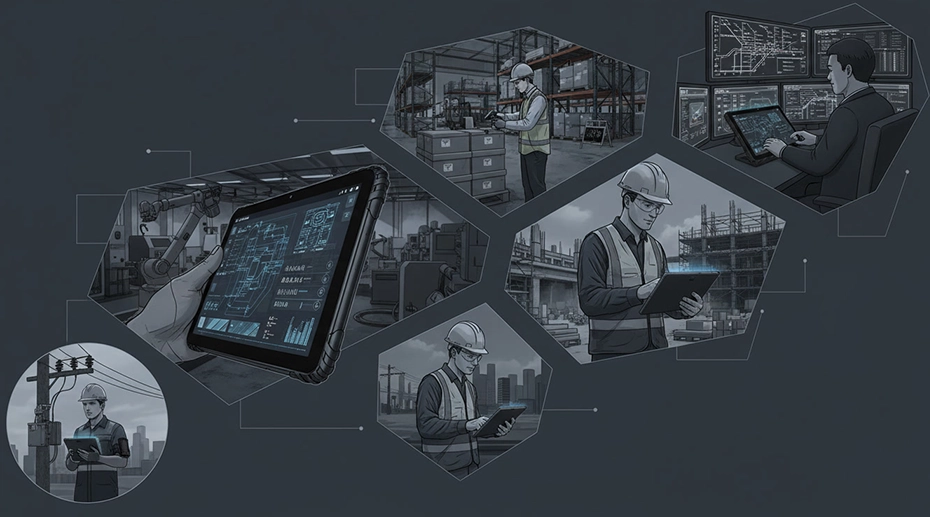
5. Typical B2B Use Cases

6. Key Advantages for B2B Brands

Start with small batches — launch your OEM project without massive MOQ commitments
Leverage existing platforms
Upgrade over time — a tiered OEM approach lets you add features as your market grows

Designed for industry solutions — deploy pre‑integrated vehicle computing units that connect to your software stack
7. From Prototype to Scalable Deployment

Design validation, initial testing

Small batch, field testing — get pilot‑run OEM tablets validated in real‑world conditions before full rollout

Volume production, fleet rollout
Hardware standardization ensures consistency across all stages. Build a standardized OEM tablet platform that your customers can rely on for 5+ years.
Ready to Start Your OEM Project?
For B2B brands entering industrial, fleet, or smart device markets, hardware should not be a barrier. With flexible OEM services, companies can launch customized rugged devices efficiently — without the complexity of traditional manufacturing models.
Related OEM & B2B Customization Resources