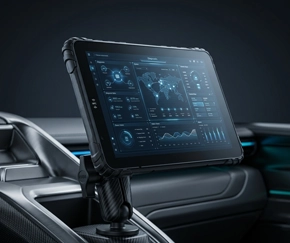
Why 1000-Nit Sunlight Readable Displays Matter in Agriculture & Outdoor Fleet Operations
In outdoor industrial environments, standard consumer tablets become unreadable under direct sunlight. For agricultural machinery, construction equipment, and fleet vehicles operating in open fields, display visibility directly impacts operational efficiency and driver safety — a 1000‑nit sunlight‑readable display is not a luxury, it's a necessity. Pairing one with a vehicle‑optimized computing platform ensures the entire system stays productive from dawn to dusk.
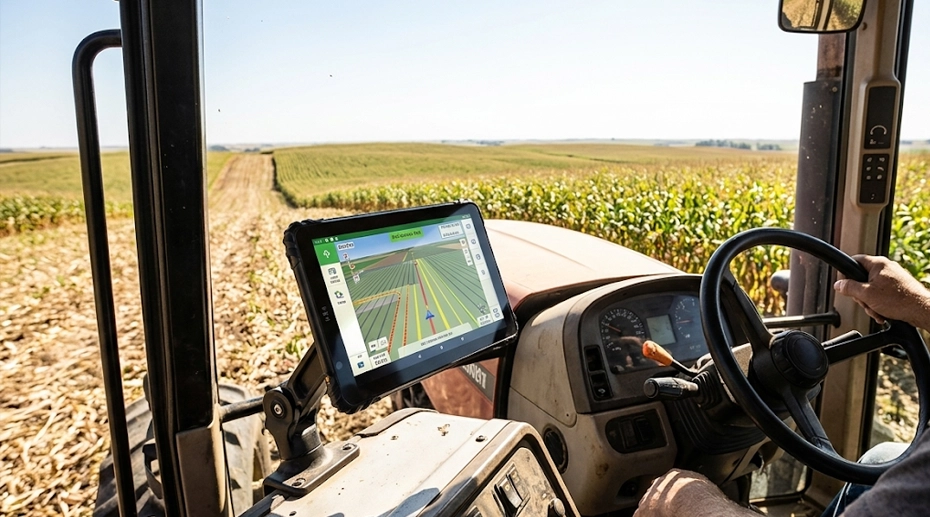
Table of Contents
1. What Is a 1000-Nit Sunlight Readable Display?
A sunlight readable display refers to a screen that remains clearly visible under direct sunlight, typically achieved through high brightness (measured in nits), optical bonding, and anti-reflective coatings. While consumer tablets offer 300–500 nits, industrial rugged tablets deliver 800–1200 nits — with 1000 nits being the industry standard for outdoor field operations.
 1000+ nits
Direct sunlight visibility
 Optical Bonding
Reduces internal glare
 Anti-Reflective
Works with polarized glasses
 Glove Touch
Operable with work gloves
2. Why Precision Agriculture Requires High-Brightness Rugged Tablets
Modern agriculture increasingly relies on precision farming technology. Tractors, sprayers, and harvesters now use agriculture rugged tablets for GPS guidance, yield monitoring, and equipment control. For deployments that need industrial rugged tablets capable of withstanding both harsh sunlight and agricultural environments, 1000‑nit brightness is the baseline requirement.
Real-time GPS guidance, field mapping, and implement control in direct sunlight.
Section control and rate adjustment — display must be visible at all times.
Yield data and moisture maps require clear visibility during long daylight hours.
Tractor-mounted tablets need 1000‑nit displays for accurate steering guidance.
For farmers and agronomists, a rugged tablet for agriculture with a high‑brightness display ensures that critical data remains readable from dawn to dusk — reducing errors and improving operational efficiency.
3. Challenges of Outdoor Vehicle Displays Under Direct Sunlight
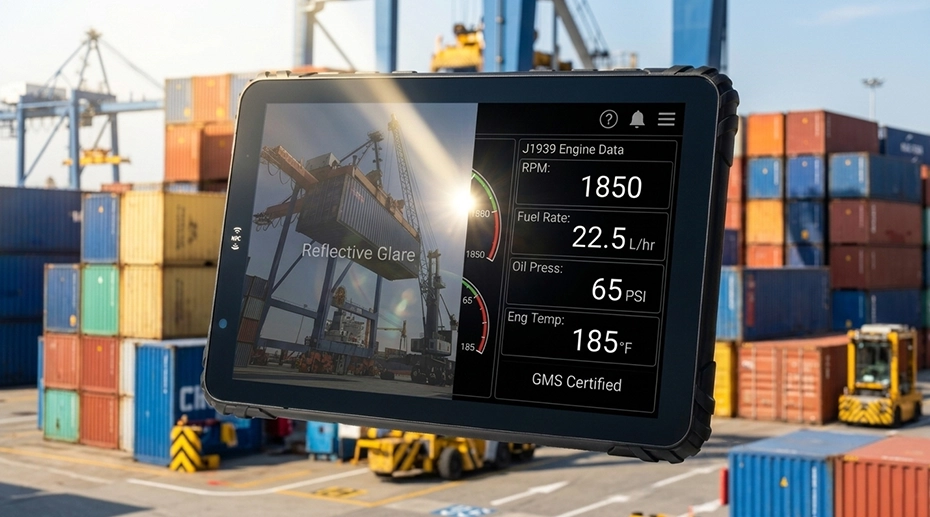
 Glare & Reflection
Standard screens become mirrors under direct sun, forcing operators to squint or adjust angles.
 Heat Buildup
High temperatures cause screen dimming or shutdown in consumer devices.
 Polarized Sunglasses
Many outdoor workers wear polarized sunglasses, which can darken standard LCDs to near‑black.
 Glove Operation
Operators wear work gloves, but standard capacitive screens don't register glove touches — a glove‑friendly vehicle display solves this at the hardware level.
 Dust & Moisture
Outdoor vehicles expose displays to dust, rain, and mud — requiring sealed, durable screens.
 Temperature Extremes
From freezing mornings to scorching afternoons, consumer tablets often fail or throttle.
4. Key Features of Sunlight Readable Rugged Tablets
Guarantees visibility even in direct desert sunlight — a must for fleet‑deployed computing hardware that operates in open cabs.
Eliminates internal reflection and prevents condensation.
Reduces surface glare from windshields and overhead sun.
-20°C to 60°C — works in freezing winters and hot summers.
Sealed against rain, dust, and pressure washing — the same protection found in a hardened mobile data collection unit used in field operations.
Operable with work gloves, wet or dirty hands.
5. Beyond Agriculture: Other Outdoor Industries Benefiting from 1000-Nit Displays
The need for sunlight-readable displays extends far beyond farming. Any outdoor vehicle operation — from transportation to field service — requires high‑brightness screens for safe and efficient operations.
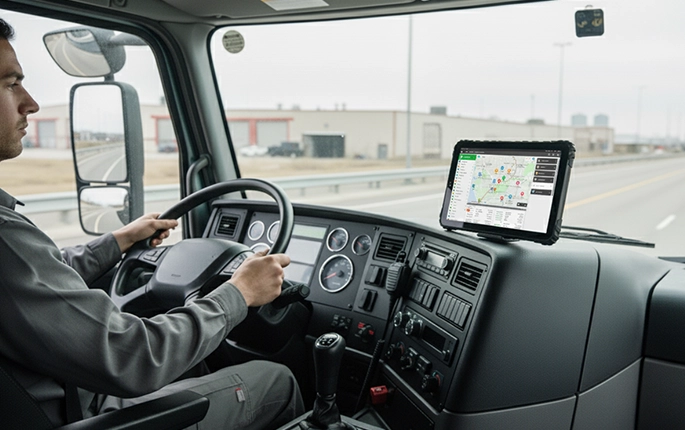 Fleet Management
Real-time dispatch, GPS navigation, and ELD logs — all visible through truck windshields. Fleet Management Tablet →
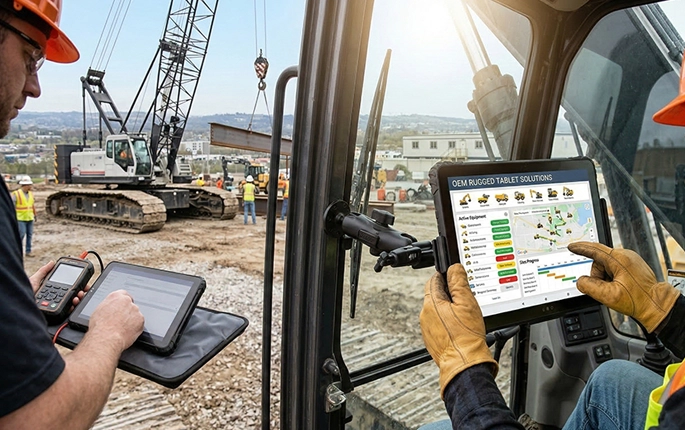 Construction Equipment
Excavators, loaders, and cranes need bright displays for telematics and HMI. Construction tablets →
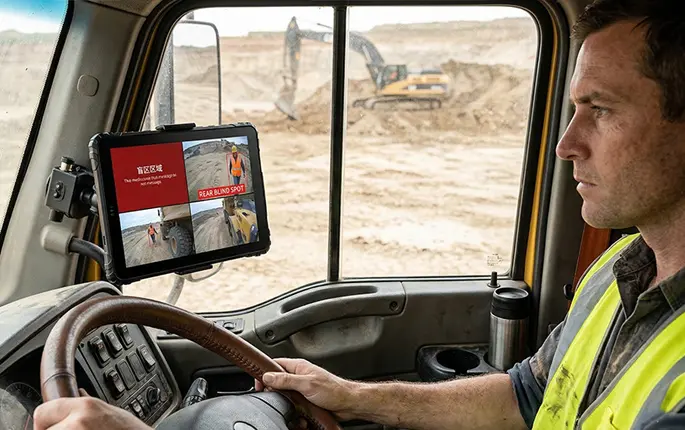 Mining Vehicles
Underground and surface mining operations rely on rugged, sunlight‑readable displays.
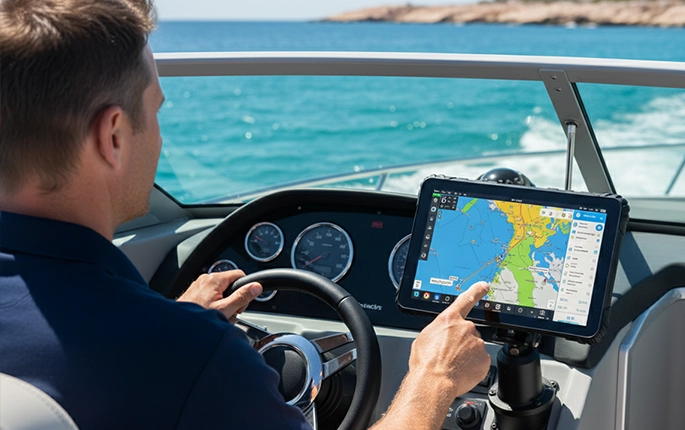 Marine Operations
Boats and offshore platforms require high‑brightness displays for navigation and safety. Marine solutions →
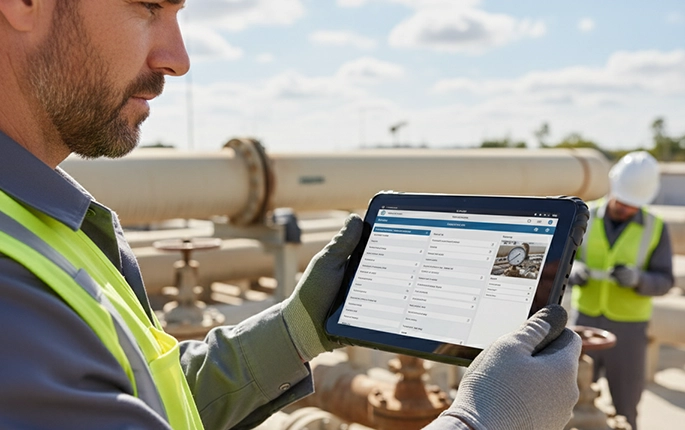 Field Service
Utility trucks and service vehicles need outdoor‑readable screens for work orders. Field service tablets →
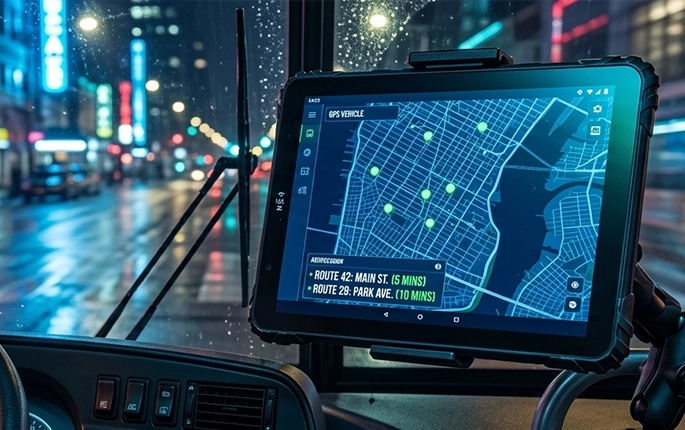 Public Transit
Bus driver terminals and passenger information systems require glare‑free displays. Bus tablet solutions →
6. Recommended Rugged Tablets for Outdoor Vehicle Operations
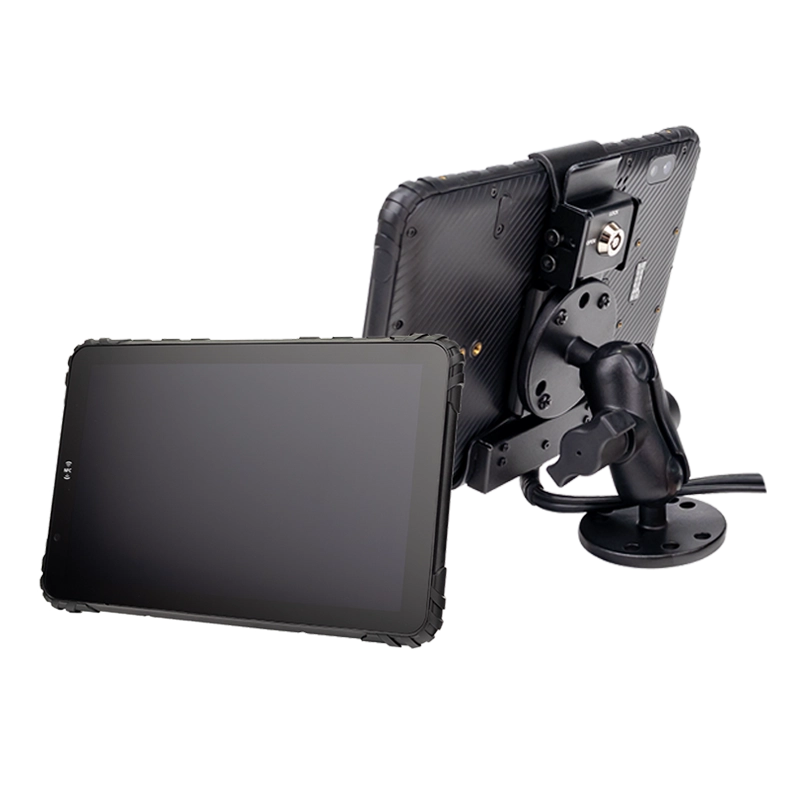
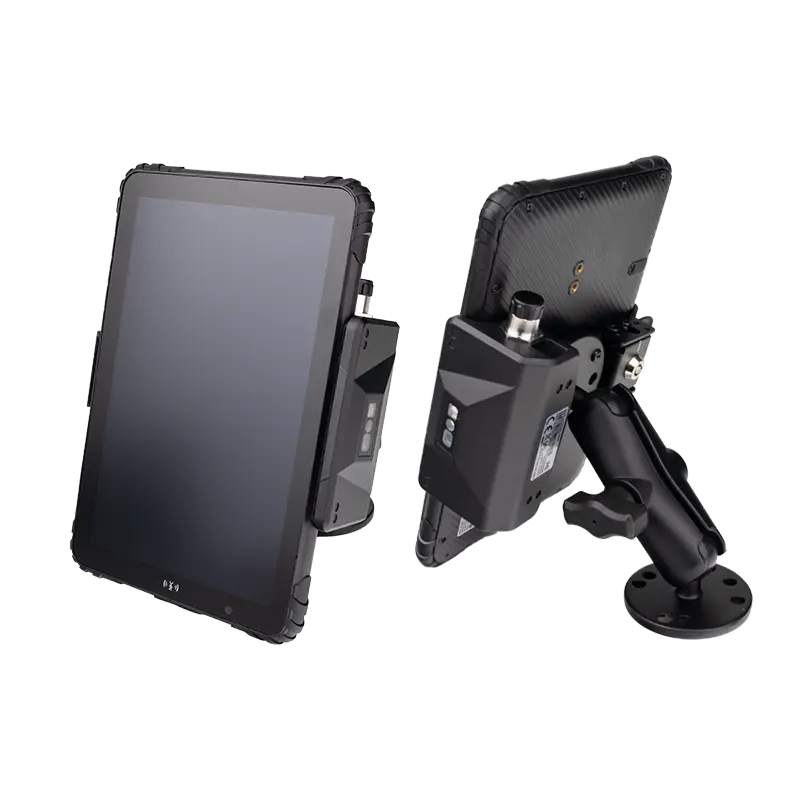
7. Choosing the Right Outdoor Rugged Tablet for Your Fleet
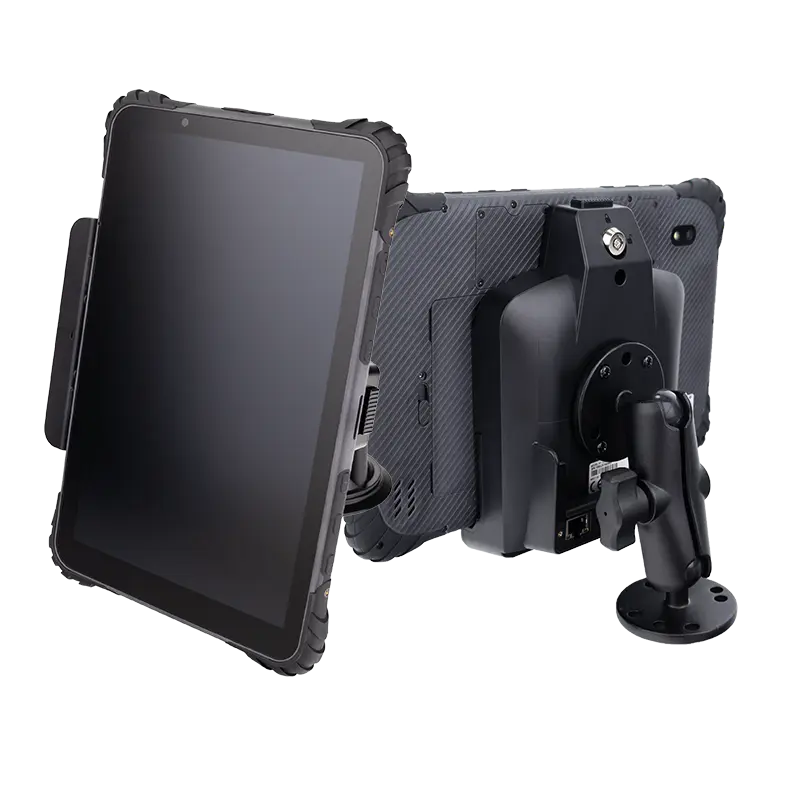
When selecting a vehicle-mounted tablet for outdoor operations, consider these factors. A locking vehicle computing dock with integrated power keeps the tablet secure and charged through every shift.
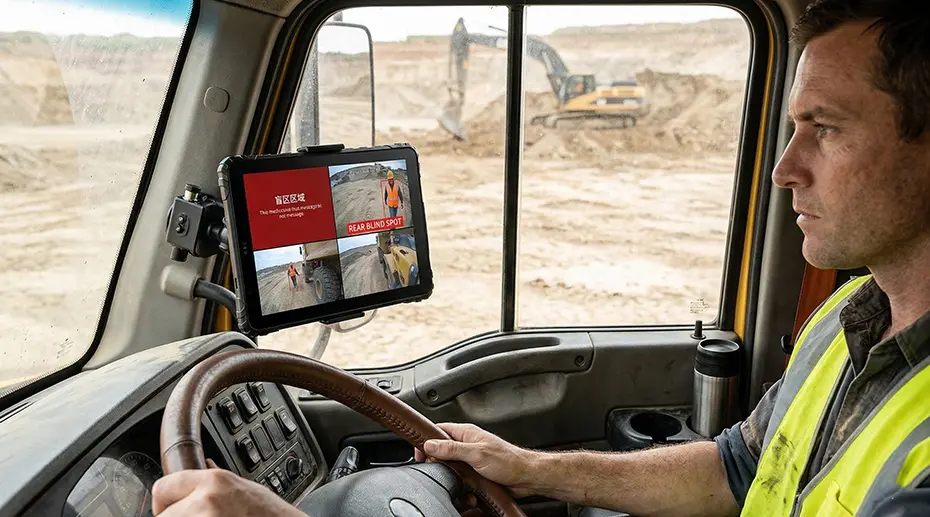
Display brightness: Minimum 800 nits, ideally 1000+ nits with optical bonding
Touch technology: Glove‑friendly and wet‑touch support
Durability: IP67 rating and MIL‑STD‑810H certification
Vehicle integration: 9‑36V power input, ignition sensing, and docking cradle
Connectivity: 4G/5G, GPS, and Wi‑Fi for real‑time data sync
Deploy vehicle mount tablets designed for outdoor fleet operations. For compliance‑heavy work, an ELD‑ready outdoor tablet keeps driver logs visible and accessible all day.
8. Frequently Asked Questions
What is a 1000-nit display?
A 1000‑nit display produces 1000 nits (candelas per square meter) of brightness — roughly 2‑3x brighter than standard consumer tablets, ensuring clear visibility in direct sunlight.
Do sunlight‑readable displays work with polarized sunglasses?
Yes. Our displays feature anti‑reflective coatings and are optimized for use with polarized sunglasses — a must for outdoor vehicle operators.
What's the difference between optical bonding and air gap displays?
Optical bonding eliminates the air gap between the touch panel and LCD, reducing internal glare, preventing condensation, and improving impact resistance. This is essential for outdoor rugged tablets. Deploy optically bonded waterproof tablets →
Ready to Upgrade to Sunlight Readable Rugged Tablets?
Get a quote for outdoor‑rated tablets with 1000‑nit displays, vehicle docking, and OEM customization. Build a custom outdoor tablet solution →
Related Outdoor & Display Resources