

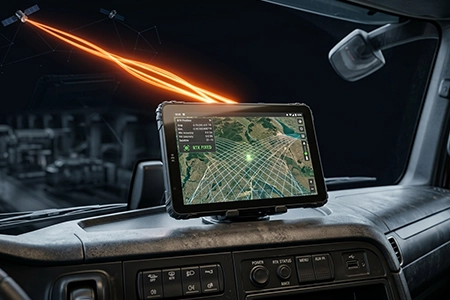
GNSS Hardware for Fleet Tablets — Dual-Band & Antenna Guide | TOPICON
L1-only receivers drift 20-50 metres in urban canyons. Dual-band L1+L5 reduces multipath error to metre level. External MMCX antennas and USB GPS receivers solve signal blocking in metal-bodied vehicles. This guide covers the GNSS hardware decisions for fleet and industrial tablet deployments.
Deployment Guides
2026-09-17

eSIM in Fleet Telematics — Cross-Border & Vibration Reliability
A physical SIM card in a truck cab endures eight hours of vibration per shift. The spring contacts in the SIM socket are the first component to fail. eSIM solders the profile to the board — and GSMA SGP.32 lets the carrier be switched remotely, without replacing the card.
Technology Comparison
2026-09-16
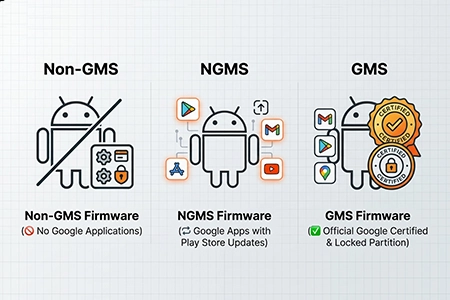
Non-GMS vs nGMS vs GMS Firmware for Fleet Android Tablets | TOPICON
Android firmware type — Non-GMS, nGMS, or GMS — is a procurement decision that cannot be changed without a factory reset. This guide explains the CTS certification difference, the SMR security patch constraint on GMS builds, and how to select the right firmware before hardware ships.
Technology Comparison
2026-09-15
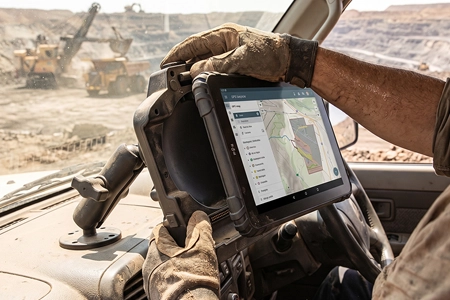
Navigation Tablet Hardware Architecture for OEM & System Integrators | GNSS, Display, Docking
A system integrator selects navigation tablet hardware based on the GNSS architecture, display readability, and docking interface — not the app. Dual-band L1+L5, external antenna ports, optical bonding, and pogo-pin dock design determine whether the device delivers continuous position fix in metal hulls, dense canopy, and urban canyons.
Deployment Guides
2026-09-09
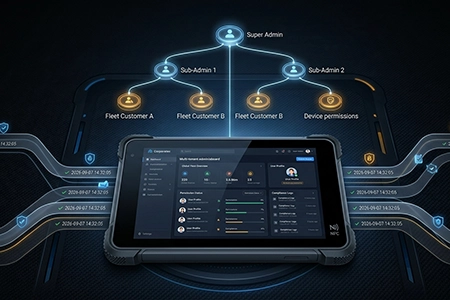
Sub-Admin Accounts and Audit Trails — Managing Fleet Tablets Across Multiple Customers Without Losing Control
A system integrator managing 300 fleet tablets across 12 customers cannot give every customer full MDM access — and cannot manage every device themselves. Sub-admin accounts with granular role permissions solve the access problem. Audit trails solve the accountability problem. This guide covers the multi-tenant architecture that keeps control where it belongs.
Deployment Guides
2026-09-08

GDPR and Fleet Tablet Data Management — What the Regulation Means for Hardware Architecture
Under GDPR, fleet tablets collect personal data — driver location, hours of service, camera footage, vehicle telemetry. The hardware architecture determines whether that data can be secured, audited, and remotely erased when a device is lost. This guide covers the device selection criteria that keep European fleets GDPR-compliant.
Deployment Guides
2026-09-07
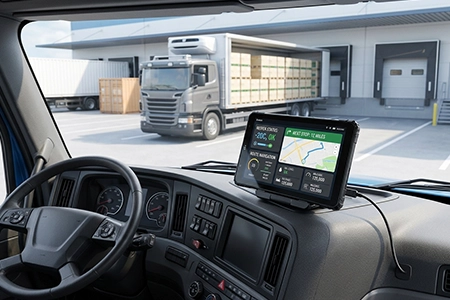
Cold Chain Fleet Tablets — Why CAN Bus and RS232 Matter for Real-Time Temperature Monitoring
A refrigerated trailer loses temperature data the moment the Bluetooth connection drops. Cold chain fleets need CAN Bus J1939 and RS232/RS485 integration to read refrigeration unit data directly and log temperature sensor readings through wired connections. Here is the hardware architecture that keeps cold chain records continuous and audit-ready.
Deployment Guides
2026-09-04
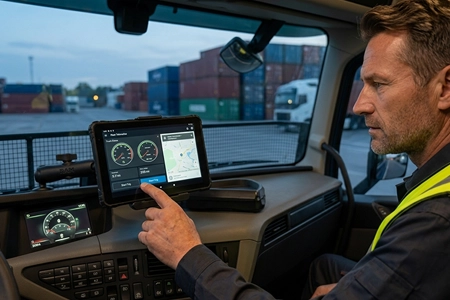
FMCSA ELD Compliance and Fleet Tablet Hardware — What the Mandate Means for Device Selection
The FMCSA ELD mandate requires tamper-resistant, fixed-mount, continuously powered electronic logging devices in commercial trucks. The hardware that runs the ELD app determines whether a fleet passes roadside inspections or accumulates violations. This guide covers the device selection criteria — mounting architecture, ignition-sensed power, display readability, and tamper resistance — that keep US fleets compliant.
Deployment Guides
2026-09-03

EU Regulation 165/2014 and Fleet Tablet Hardware — What the Daily Walkaround Inspection Means for Device Selection
Under EU Regulation 165/2014, commercial drivers must complete a documented walkaround inspection before departure. The hardware that captures this inspection — whether fixed or detachable — determines whether the workflow is digital, duplicated, or abandoned. This guide covers the device requirements that keep EU fleets compliant.
Deployment Guides
2026-09-02
Recent articles
Vehicle-Mounted Mobile Data Terminal Trends 2025 | 5G MDT for Fleets | TOPICON
ELD Compliance: Why Rugged Tablets Matter for Fleet Management
Vehicle Mount Terminal Selection Guide – How to Choose the Right In-Vehicle Computing Platform
Mining Vehicle Computer Guide – Rugged Computing for Surface & Underground Operations
RS232 in Fleet Telematics – 5 Applications Where Serial Still Matters | TOPICON
Fixed Vehicle Terminals vs Docked Tablets – An Engineering Decision Guide | TOPICON
How System Integrators Build Recurring Revenue with White-Label Fleet Hardware | TOPICON
How to Push a Firmware Update to 500 Fleet Tablets Without Touching Any of Them